

















Democrats Debate Housing, Affordability in Crowded NJ-12 Race
Thirteen Democrats are vying for New Jersey's 12th Congressional District seat as Rep. Bonnie Watson Coleman retires, with housing costs taking center stage.

Eleven Democrats crammed into two rows at Princeton University on Monday night. That image alone captures how chaotic the race to replace Rep. Bonnie Watson Coleman has become.
Watson Coleman is retiring after six terms representing the 12th District. Thirteen Democrats are chasing her seat. The June 2 primary is shaping up as one of the most overcrowded contests in New Jersey this cycle.
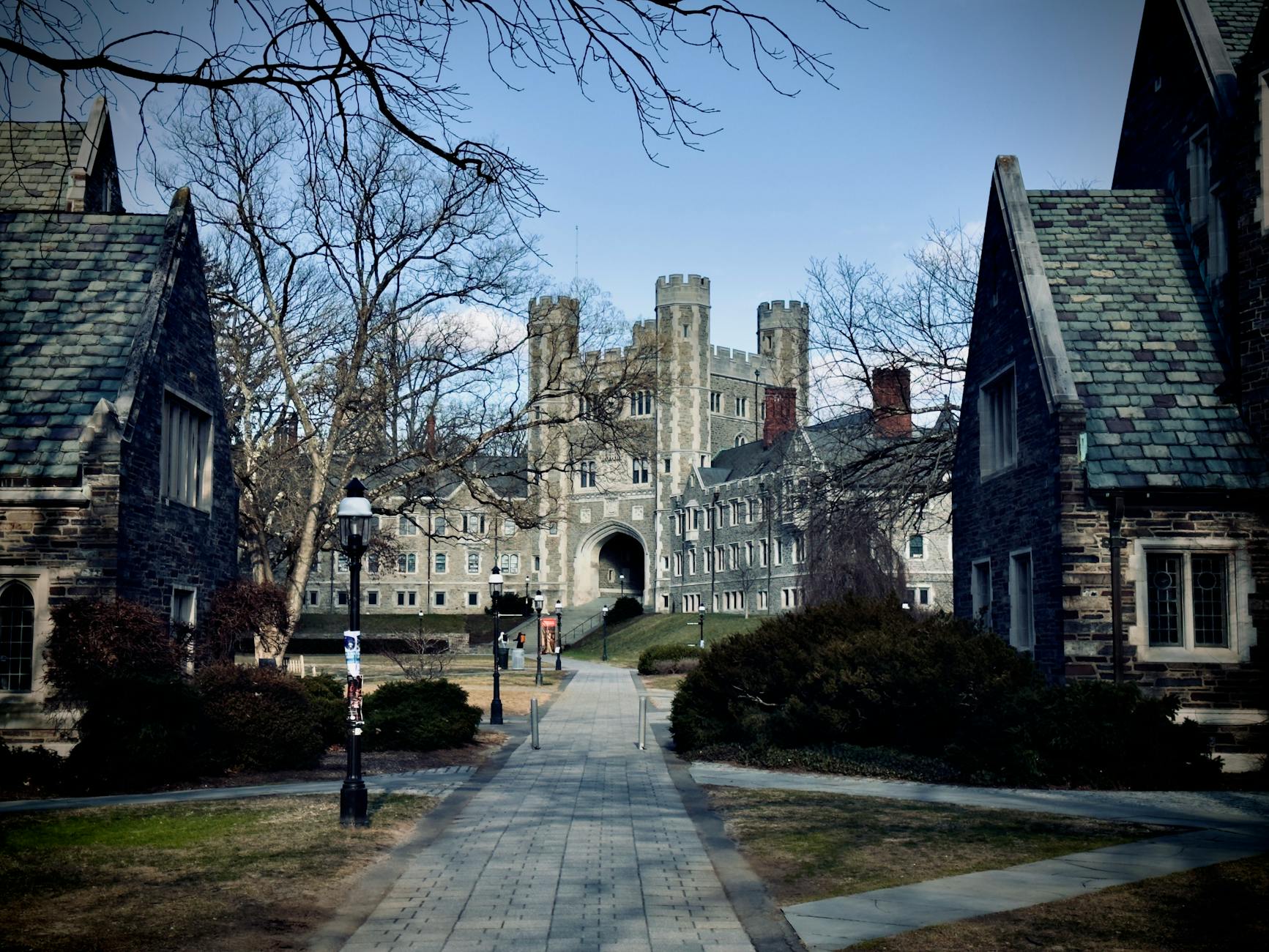
The debate landed at Princeton, sponsored by the American Whig-Cliosophic Society, the university’s NAACP chapter, and Vote100. Students ran it. Their questions reflected that. Candidates answered challenges on campus protest protections, shielding undocumented students from federal immigration enforcement, youth voter registration, and the housing costs that are burying young adults across the district. These aren’t standard Beltway talking points. But this isn’t a standard district. The 12th District cuts through New Brunswick, Princeton, and Trenton, and the people who live there don’t have the luxury of treating housing as an abstract policy debate.
Ninety minutes. Eleven candidates. Eight questions.
Do that math yourself.
There wasn’t room for any real depth, and nobody pretended there was. The affordability question hit the sharpest. High rents, student debt, and a housing market that’s keeping twentysomethings on their parents’ couches into their late twenties have become defining issues for Central Jersey. The cost of living here tracks closer to Manhattan than to most of America, and the region’s renters know it. New Jersey consistently ranks among the most expensive states for housing relative to median income, and the 12th’s densely packed rental markets feel every bit of that pressure.
Two candidates didn’t bother showing up. Assemblywoman Verlina Reynolds-Jackson and East Brunswick Mayor Brad Cohen both skipped the Princeton event, leaving Matt Adams, Sue Altman, Elijah Dixon, Adam Hamawy and seven others to split whatever time the format allowed. An empty podium doesn’t exactly project confidence nine days before a primary.
The audience threw the candidates one genuinely uncomfortable question: if not yourself, who on that stage would you vote for? Most of them dodged it cleanly. A few leaned into self-promotion. Others handed out careful praise for the whole field as though they were at an awards dinner rather than a competitive primary. Nobody named a name. Smart politics, probably. But it’s not what the students in that room came to hear.
The 12th runs from Trenton north through New Brunswick and into parts of Mercer, Middlesex, and Somerset counties, touching major employers, universities, and transit corridors that the rest of the state depends on. Whoever wins the Democratic nomination on June 2 will be the overwhelming favorite in November. The district’s composition makes that a near certainty.
On the Republican side, attorney Gregg Mele won’t see any opposition in the GOP primary. He’ll be waiting in November regardless of which Democrat survives the June scramble.
The New Jersey Monitor covered the affordability dynamics in the race back on May 26, and the debate made clear those tensions aren’t going away. Thirteen candidates, one seat, and a primary on June 2, 2026 that’s going to sort it all out fast.
“The issues facing young people in this district, the cost of housing, of education, they deserve a real fight in Congress,” one candidate said during the closing segment, though most of that final stretch blurred together in the format’s blur of 90-second answers.
Whoever wins is going to need more than 90 minutes to actually address any of it.
Get Jersey Ledger Weekly
Top stories from Jersey Ledger in your inbox. Free.