

















Most NJ Residents Rate State & National Economies Negatively
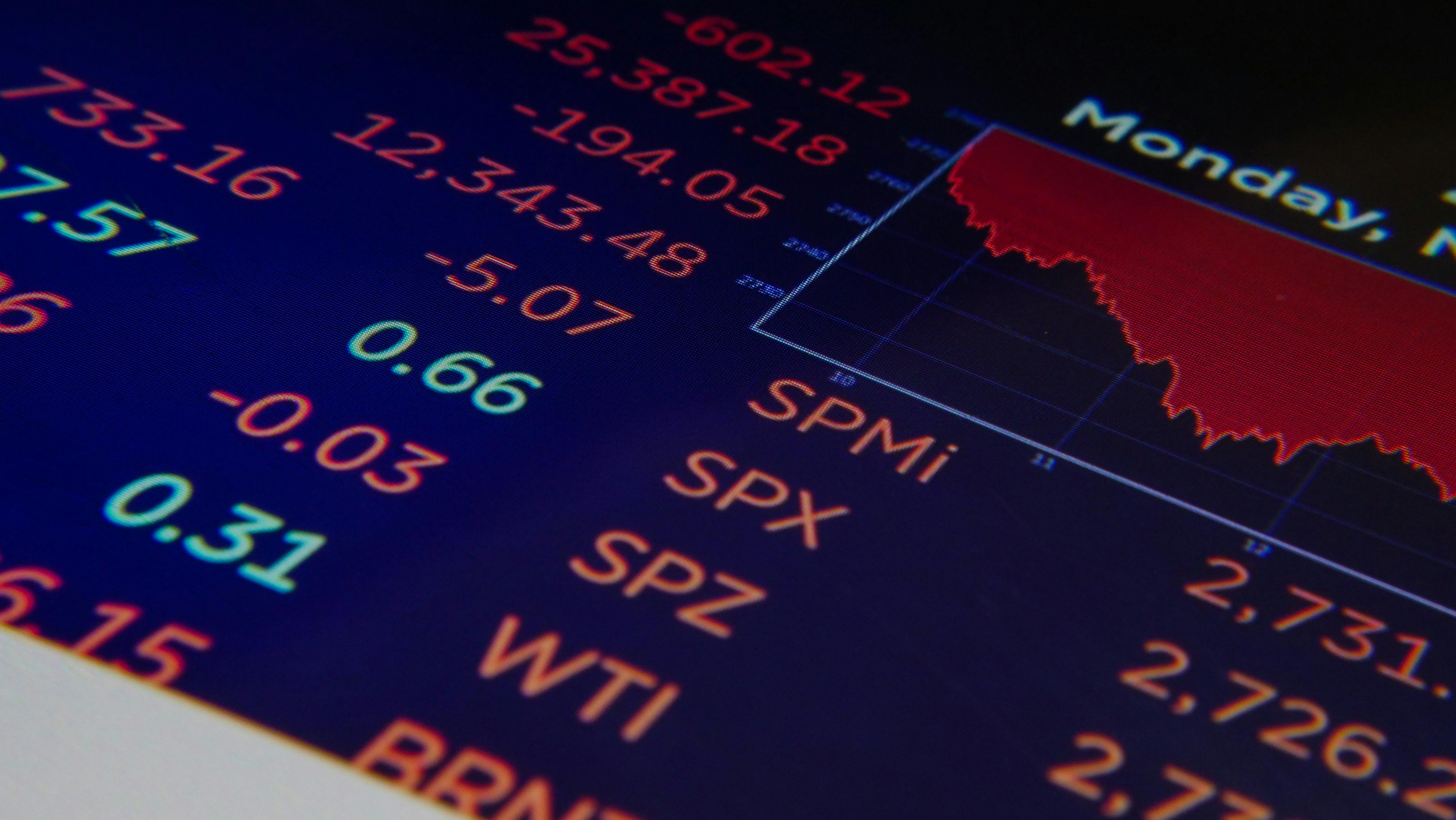
A new Rutgers-Eagleton Poll finds 75% of New Jerseyans rate the state economy negatively, while nearly 80% give the national economy a poor mark.
Three-quarters of New Jersey residents rate the state economy negatively, and nearly 8 in 10 give the national economy a negative mark, according to a new Rutgers-Eagleton Poll released this week.
The Rutgers-Eagleton Poll, conducted in collaboration with the New Jersey Organization for a Better State political action committee, found that 29% of residents rate the state economy as “poor” and 46% as “only fair.” Just 20% call it “good” and 1% “excellent.” That overall negativity has climbed 6 points since October.
The national economy gets it even worse. Forty-six percent of New Jerseyans call it “poor” and 33% “only fair,” with only 17% landing on “good” and 2% “excellent.” National negativity jumped 9 points since October, driven mostly by the surge in residents choosing “poor” over “only fair.”
“Pessimism continues to overwhelm New Jerseyans’ views on both the state and national economies,” said Ashley Koning, an assistant research professor and director of the Eagleton Center for Public Interest Polling at Rutgers University-New Brunswick.
Koning’s full assessment laid out the political stakes directly. “The message to both Trenton and especially Washington is clear: Rising costs, stagnant wages, and an ongoing affordability crisis have yet to be addressed in any way residents can feel,” she said, according to InsiderNJ.
The partisan breakdown tells a complicated story. Democrats are the most sour on the national economy: 94% rate it negatively, with 62% choosing “poor.” Republicans land at 54% negative on the national economy. That gap reflects how partisans in both parties tend to judge the economy through whoever holds the White House.
The state economy flips the script, at least partially. Republicans are actually more negative about New Jersey’s economy than Democrats are. Eighty-six percent of Republicans rate the state economy negatively compared with two-thirds of Democrats. Independents land in the middle on both measures, with three-quarters calling the state economy “poor” or “only fair” and nearly 8 in 10 giving the national economy a negative rating.
Cross every demographic line you want. Age, income, race, region, education level. The result is the same: at least 7 in 10 New Jerseyans in every measured group rate the national economy negatively, and at least two-thirds say the same about the state economy. Trenton and Washington don’t get a demographic escape hatch here.
On cost of living, the numbers are brutal and basically unmoved. More than 8 in 10 residents say they are either “very dissatisfied” (52%) or “somewhat dissatisfied” (32%) with how state government handles affordability. Only 14% express any level of satisfaction. Those numbers haven’t budged in any meaningful way since this question was last asked.
For commuters on the Northeast Corridor or Route 1, that finding doesn’t need much explanation. Grocery bills, rent, property taxes, and insurance costs have been grinding Central Jersey households for the better part of two years. Edison, Hamilton, Woodbridge, families in those towns aren’t reading economic indicators. They’re reading their credit card statements.
The poll’s findings arrive at a moment when the state’s political class in Trenton faces real pressure to put affordability at the center of the budget conversation. With the New Jersey Department of the Treasury preparing revenue projections that will shape the fiscal 2027 budget, the Eagleton numbers give lawmakers little room to frame the state’s finances as fundamentally sound.
Koning framed the problem as one that spans both levels of government. The word she used was “overwhelm.” That’s the right word. Seventy-five percent of residents giving your economy a negative rating isn’t a warning sign.
It’s a verdict.
Get Jersey Ledger Weekly
Top stories from Jersey Ledger in your inbox. Free.