









































Regenicin, Made Scientific Partner to Advance NovaDerm FDA Approval
Regenicin and Made Scientific announce a manufacturing partnership to push NovaDerm, a lab-grown skin therapy, toward FDA approval for burn patients.
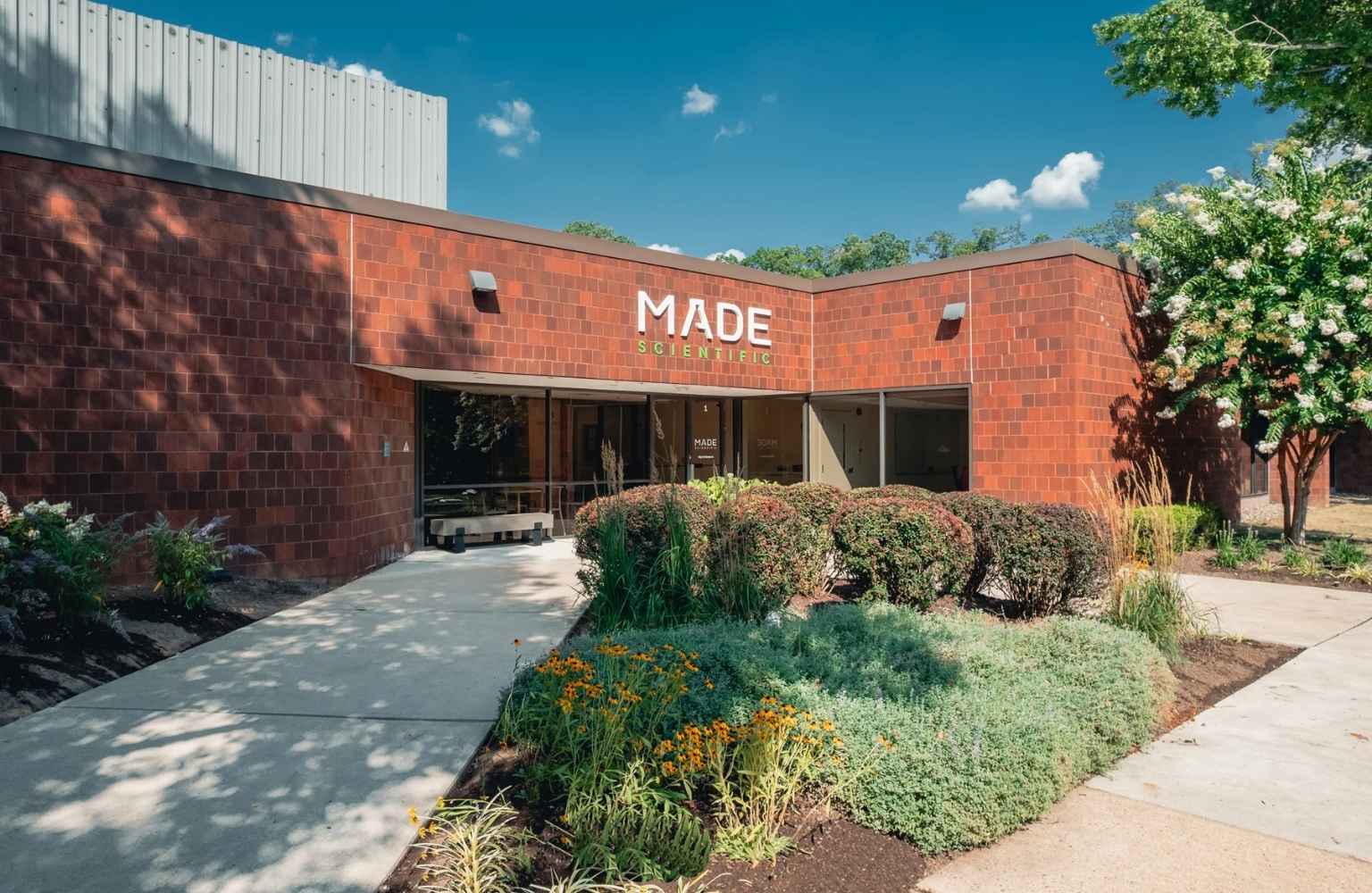
A Little Falls biotech company and a Princeton-based manufacturing firm announced a partnership April 22 aimed at pushing a lab-grown skin substitute closer to federal approval for burn and wound patients.
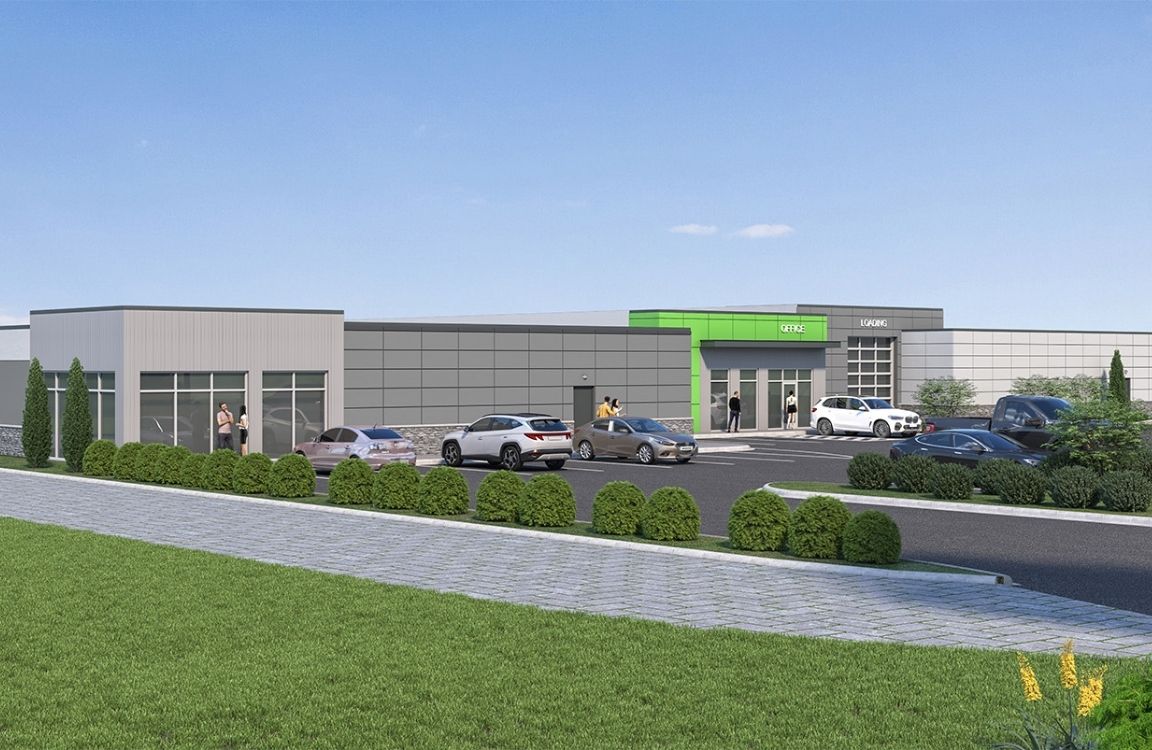
Regenicin Inc. and Made Scientific Inc. will work together to manufacture NovaDerm, a patient-specific skin therapy designed to treat severe burns and chronic wounds. The agreement sets up a full production pathway at Made Scientific’s Princeton GMP facility, covering everything from technology transfer through clinical production and regulatory filings.
NovaDerm holds FDA orphan product designation, a status that targets rare or hard-to-treat conditions affecting small patient populations. That designation isn’t just a label. It opens the door to significant federal incentives, including tax credits for clinical trial costs, exemption from certain FDA user fees, and up to seven years of market exclusivity if the product wins approval. For a small biotech like Regenicin, those benefits can make the difference between a therapy that reaches patients and one that stalls in development.
Made Scientific will serve as the contract development and manufacturing organization for the program, handling what the companies call “end-to-end services.” The work supports Regenicin’s Investigational New Drug submission and its first-in-human clinical trial, both still ahead.
The science here isn’t simple. NovaDerm is an autologous therapy, meaning it’s built from a patient’s own cells. That kind of personalized manufacturing demands a level of precision that most facilities can’t deliver at clinical scale. Each batch is essentially unique to one person, which makes consistency and tracking far more complicated than standard drug production.
“Manufacturing a patient-specific treatment like NovaDerm requires a level of consistency and traceability that few CDMOs can deliver,” said Dr. K. E. Castro, Director of Clinical Studies at Regenicin, in an announcement covered by ROI-NJ. “Made Scientific’s proven expertise in autologous manufacturing gives us confidence as we move toward our IND submission and first-in-human clinical trial.”
Syed T. Husain, chairman and CEO of Made Scientific, said the deal shows what his company’s platform can handle. “This collaboration reflects the strength of our manufacturing platform and our ability to execute complex autologous programs with the precision and regulatory rigor required for clinical success,” Husain said.
The FDA’s orphan drug program, run through the Office of Orphan Products Development, has approved more than 1,000 products since Congress created it in 1983. The incentives exist because the commercial market for rare-disease treatments is too small to attract standard pharmaceutical investment without help. Burn patients with large surface-area injuries and patients with non-healing chronic wounds often fall into that category, left with few options beyond conventional grafts that carry their own complications.
Regenicin, based in Little Falls, has focused its work on regenerative cell therapies designed to restore damaged tissues and organs. The company’s bet on NovaDerm is that a patient-derived skin substitute can outperform existing options for the hardest cases, the injuries that don’t respond well to traditional treatment.
New Jersey’s life sciences sector, concentrated along the Route 1 corridor and stretching from New Brunswick down through Princeton, has grown into one of the densest biotech clusters in the country, anchored by companies like Johnson and Johnson in New Brunswick and Merck in Rahway. Smaller firms like Regenicin and Made Scientific represent the next layer of that ecosystem, where specialized manufacturing capacity and niche therapeutic programs can find each other without relocating to Boston or San Diego.
The Alliance for Regenerative Medicine, a global trade group, tracks cell and gene therapy programs moving toward clinical trials and has documented sharp growth in autologous manufacturing demand as more patient-specific treatments reach the IND stage. Regenicin’s program fits that pattern. The IND submission timeline and clinical trial start date haven’t been announced publicly, but the manufacturing agreement suggests the company considers those milestones within reach in the near term.
Get Jersey Ledger Weekly
Top stories from Jersey Ledger in your inbox. Free.