









































State orders utilities to submit grid upgrade plans in 30 days
New Jersey utilities have 30 days to submit grid modernization plans following recent storm outages. The BPU directive affects PSE&G, JCP&L, and other major providers.

The New Jersey Board of Public Utilities issued the order following a series of power outages that left thousands of residents without electricity during recent storms. The mandate affects all major utilities operating in the state, including PSE&G, JCP&L, and Atlantic City Electric.
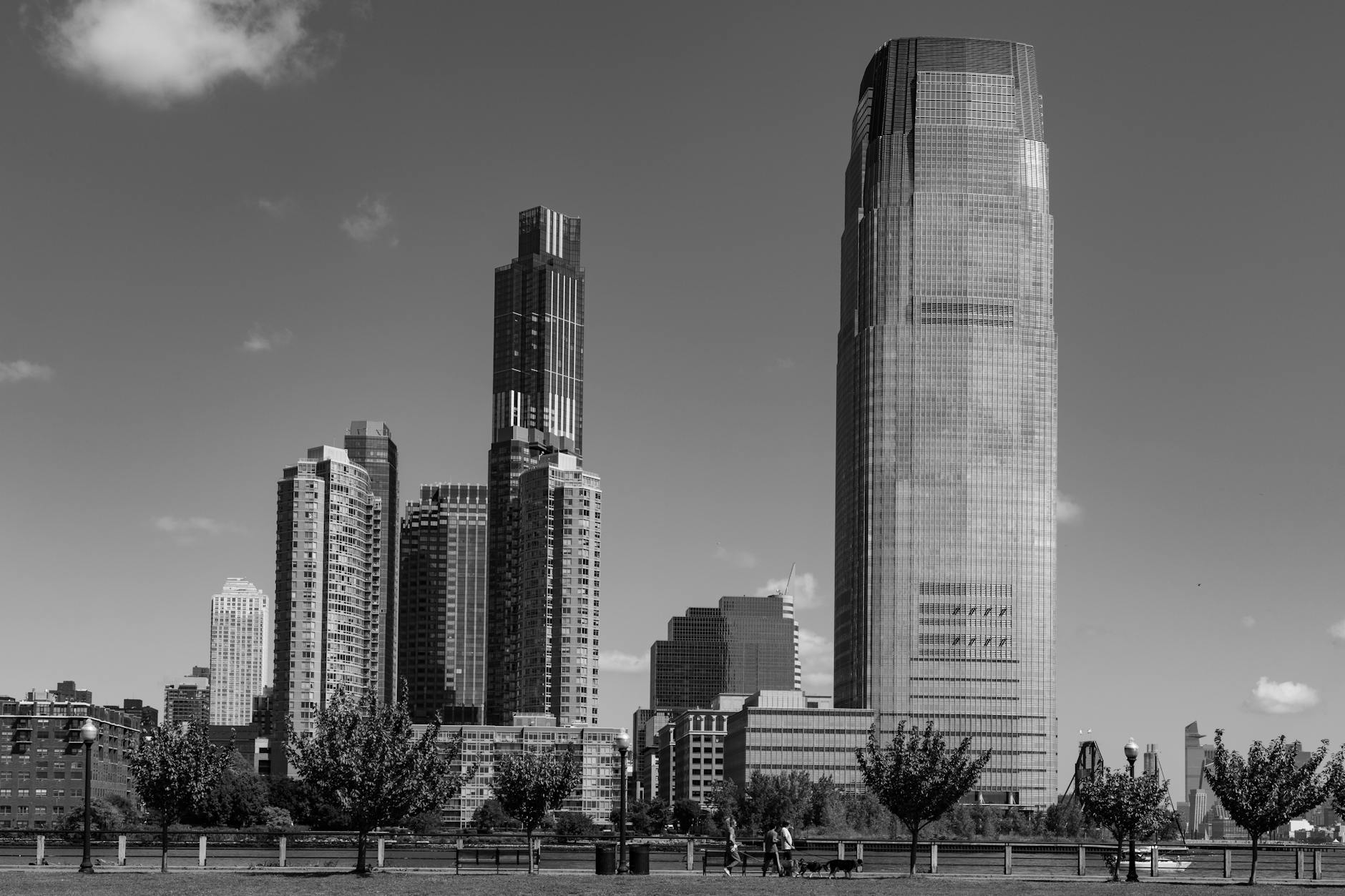
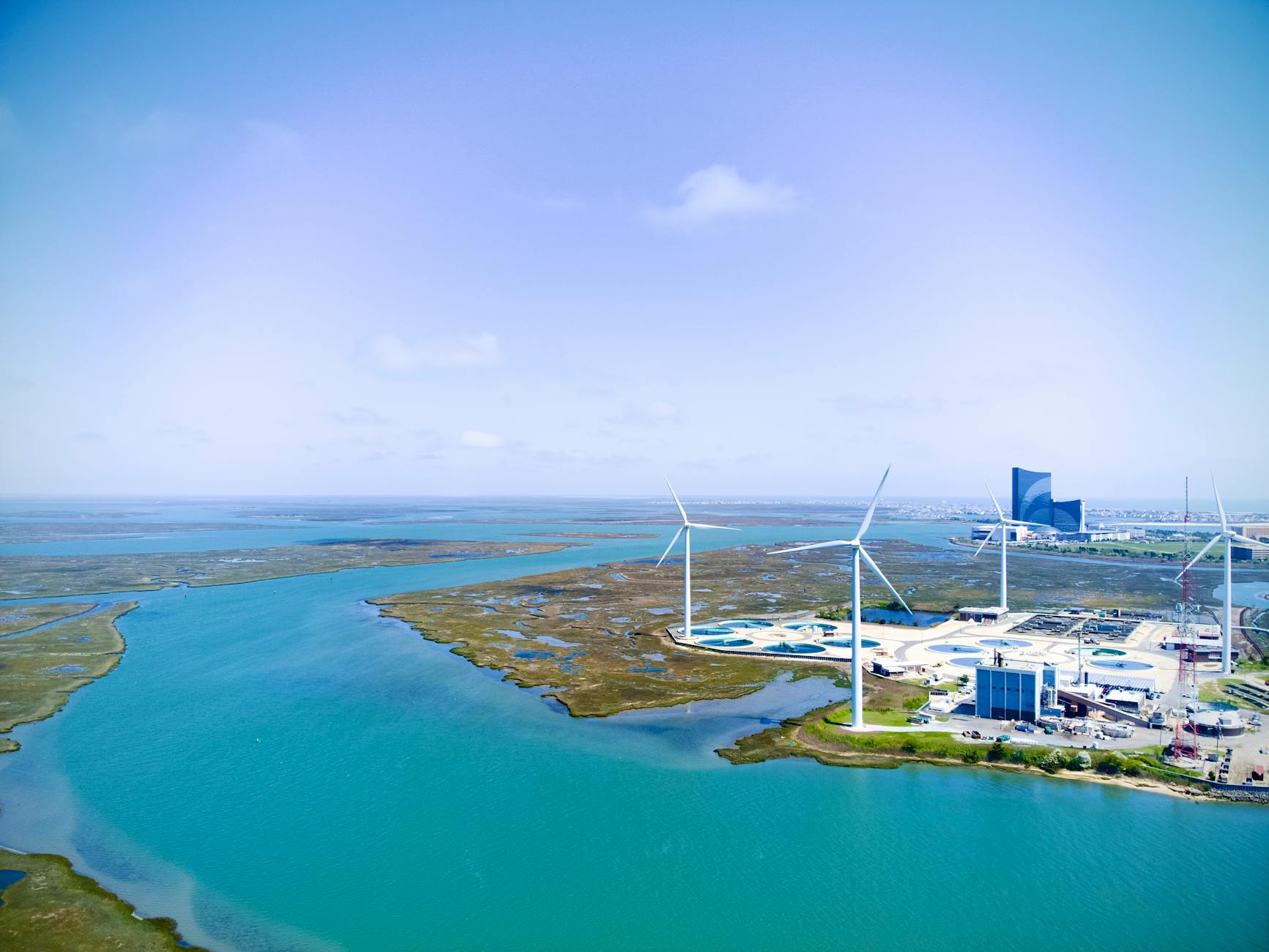
Utilities must outline specific timelines and funding mechanisms for upgrading transmission lines, installing smart grid technology, and improving storm resilience across their service territories. The plans must address how companies will reduce outage duration and frequency, particularly in vulnerable areas along the Jersey Shore and densely populated regions like Newark and Jersey City.
“These utilities have collected billions in ratepayer funds while our grid remains vulnerable to basic weather events,” said BPU President Christine Guhl-Sadovy during a public hearing in Trenton. “The time for incremental improvements has passed.”
The directive comes after JCP&L customers in Monmouth and Ocean counties experienced extended outages during Hurricane Ian last year, with some areas losing power for more than a week. Similar problems plagued PSE&G customers in Essex and Union counties during winter storms.
Utility executives pushed back on the aggressive timeline, arguing that comprehensive grid modernization requires years of planning and regulatory approval. PSE&G spokesman Michael Jennings said the company has already invested $3.2 billion in infrastructure improvements since 2018.
“We support grid modernization but question whether 30 days provides sufficient time to develop meaningful plans,” Jennings said. “These are complex engineering and financial decisions that affect millions of customers.”
The BPU order requires utilities to identify specific projects, cost estimates, and performance metrics. Companies must also explain how they will coordinate with local emergency management officials and improve communication with customers during outages.
Consumer advocates praised the directive but questioned whether utilities will face penalties for missing deadlines or failing to meet performance targets. Rate Counsel Stefanie Brand called for automatic refunds when utilities fail to restore power within established timeframes.
The modernization push reflects growing pressure on New Jersey utilities to improve reliability as extreme weather events become more frequent. State officials estimate that power outages cost the economy more than $500 million annually in lost productivity and spoiled goods.
Utilities must submit their initial plans by early February, with public hearings scheduled throughout the spring.