



































NJ Transit Resumes Light Rail Service After Historic Blizzard Dumps Two Feet of Snow
NJ Transit began restoring light rail service Sunday afternoon following a massive blizzard that buried parts of New Jersey under more than two feet of snow, according to state transportation officials.
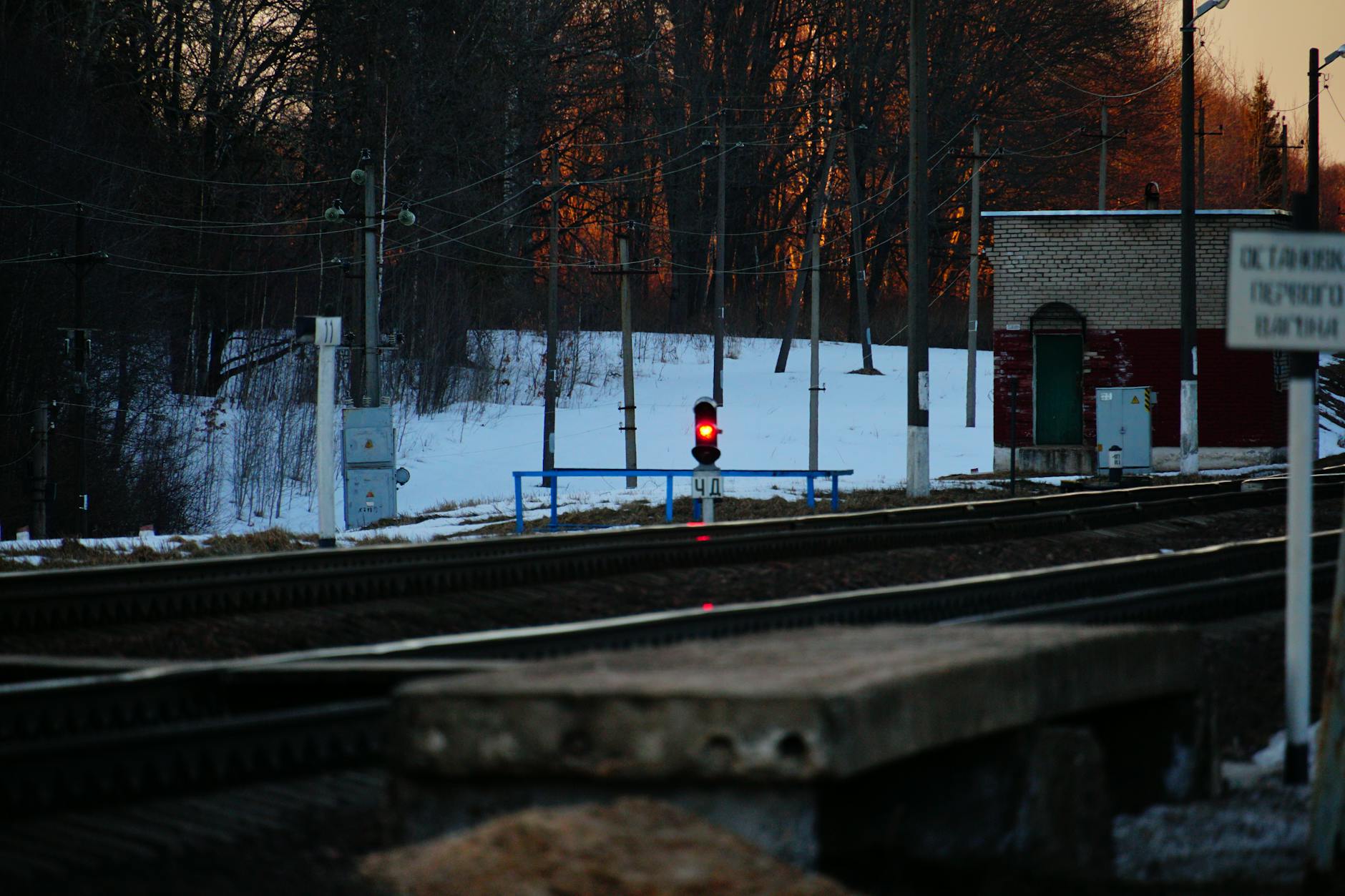
NJ Transit began restoring light rail service Sunday afternoon following a massive blizzard that buried parts of New Jersey under more than two feet of snow, according to state transportation officials.
The Newark Light Rail and River LINE resumed operations at 4 p.m. on Sunday schedules, while the Hudson-Bergen Light Rail returned to service around 6 p.m. on a weekend schedule, according to NJ Transit. The gradual restoration marks the first step in returning the state’s transportation network to normal operations after the historic storm caused widespread power outages, flight cancellations and school closures.
The New Jersey Turnpike Authority simultaneously began returning speed limits to normal on both the Turnpike and Garden State Parkway as crews worked to clear roadways statewide.
“I want to thank NJ Transit and the New Jersey Turnpike Authority crews who are working tirelessly around the clock to restore our transportation systems for the millions of New Jerseyans who rely on them,” said Gov. Mikie Sherrill. “We are pleased that light rail services are set to return later today. I am confident that these dedicated men and women will continue their efforts in the aftermath of this historic snowstorm until all systems are fully operational.”
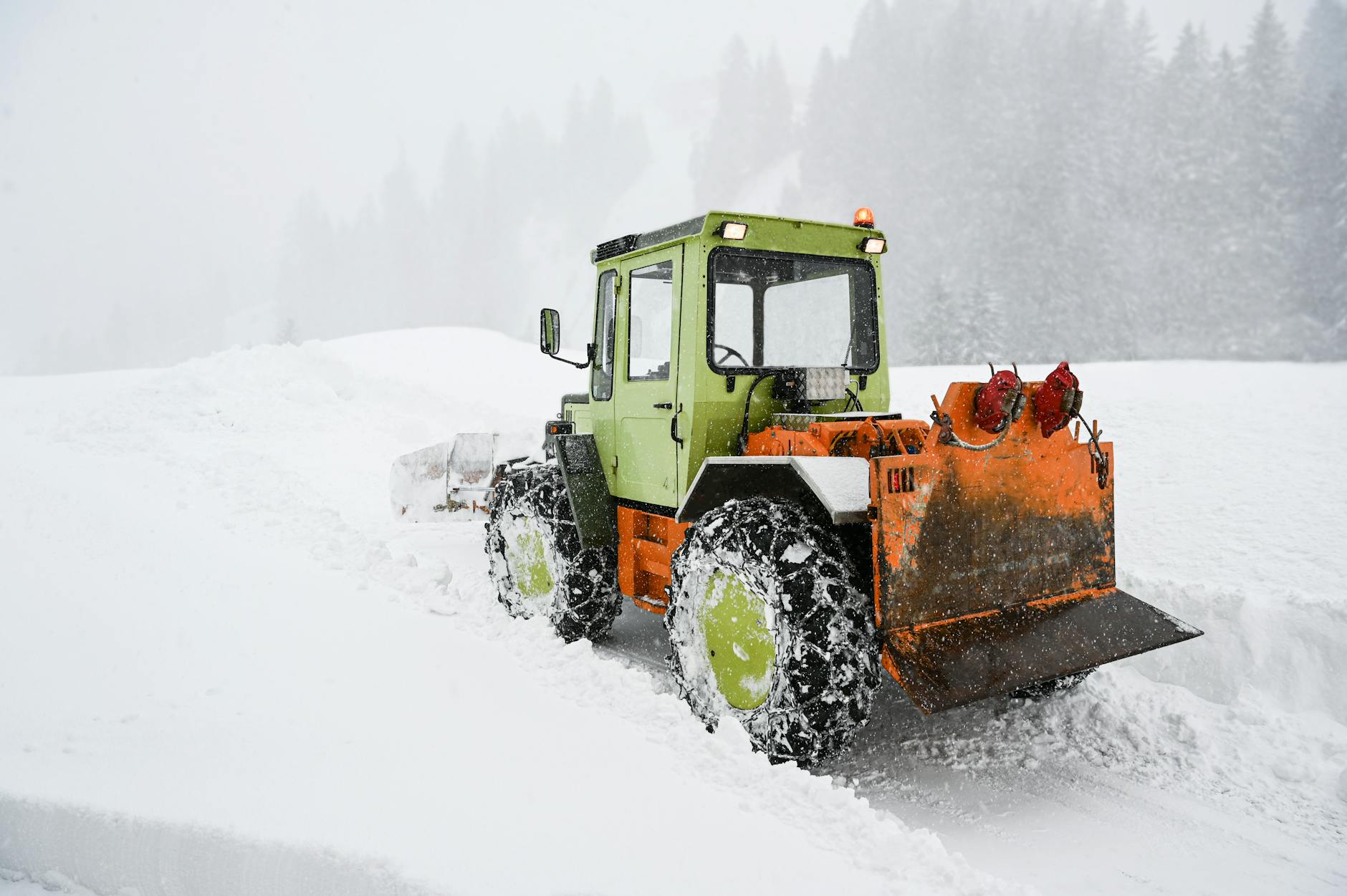
All other rail, bus and Access Link services remain suspended while crews assess storm damage and clear infrastructure, according to NJ Transit officials. Teams continue removing snow from train station platforms, parking lots and other rail facilities, while bus and Access Link personnel work to clear garages and monitor roadway conditions.
Kris Kolluri, who serves as both NJ Transit president and CEO and executive director of the New Jersey Turnpike Authority, emphasized safety as the top priority during recovery efforts.
“The safety of our customers, motorists and the employees working around the clock to restore service and clear our state’s roadways remains our highest priority,” Kolluri said. “We appreciate everyone’s patience as we continue to assess the storm’s statewide impacts on highways and the transit system. Thanks to the dedicated efforts of our teams over the past 24 hours, I’m pleased to announce the gradual resumption of transit service, beginning with our three light rail lines later today, as well as the continued improvement of conditions on the NJ Turnpike and Garden State Parkway.”
The Garden State Parkway faced the most severe conditions, particularly south of the Driscoll Bridge in Middlesex County, according to Turnpike Authority officials. While a statewide travel ban that prohibited Parkway travel has expired, authorities advise motorists to limit use of that section to essential travel only as cleanup operations continue.
The New Jersey Turnpike, which was not subject to the travel ban, shows mostly clear conditions down to the blacktop in travel lanes, according to officials. However, cleanup work continues overnight on entrance and exit ramps and at toll plazas, with drivers advised to exercise caution.
The blizzard represents one of the most significant winter storms to hit New Jersey in recent years, dumping varying amounts of snow across the state with some areas receiving more than two feet of accumulation. The storm’s impact extended beyond transportation, causing power outages that affected thousands of residents and forcing widespread cancellations of flights and school operations.
Transportation officials have not provided specific timelines for when full rail and bus service will resume, stating that restoration depends on continued assessment of storm damage and safe operating conditions. Crews plan to work around the clock until all systems return to full operational status.