




























The Palladium Supply Chain Crisis Has a Greenland Solution, a Fresh NASDAQ Deal, and New Jersey's Pharma and Tech Industries Are Paying Attention
A $68 billion palladium deposit just landed inside a NASDAQ-listed company, and the supply chain it touches runs straight through New Jersey's pharma corridor and Jersey City's financial district.
New Jersey’s pharmaceutical and chemical manufacturing industries consume more palladium than most people realize. It’s a catalyst in chemical synthesis processes used by the same companies that line the Route 1 corridor between Princeton and Newark, and its supply chain runs through Russia.
Russia’s Norilsk Nickel controls 40 to 45 percent of global palladium production, making it the single largest source of a metal with no near-term practical substitutes in industrial catalysis, hydrogen fuel cells, defense electronics, and automotive emissions systems. For New Jersey’s manufacturing and financial sectors, which include both direct palladium consumers and the asset managers tracking critical mineral exposure, the supply chain concentration risk has been a known variable. The question has always been where a viable western alternative would come from. In February 2026, the U.S. Department of Commerce answered the urgency question with a preliminary 132.83 percent anti-dumping duty on Russian palladium imports, effectively repricing the dominant global supply out of American markets.
And on March 4, 2026, the market got its answer.
Southeast Greenland.
The Skaergaard Project, advanced by Greenland Mines Corp., now a division of Klotho Neurosciences, Inc. (NASDAQ: KLTO) following an acquisition that closed today, documents a resource of 25.4 million ounces of palladium equivalent and 23.5 million ounces of gold equivalent in a coastal, accessible location in Southeast Greenland, a Danish autonomous territory that offers rule of law, democratic governance, and an active framework for western investment. That encompasses 17.15 million ounces of raw palladium, enough to supply the entire United States for 13 to 15 years. The gross undiscounted in-situ resource value is approximately $68 billion at February 2026 metal prices.
“Klotho’s acquisition of Greenland Mines Corp. puts a $68 billion palladium-gold asset under a NASDAQ-listed vehicle at the exact moment American industry needs it most,” said Dr. Joseph Sinkule, Chairman and CEO of Klotho Neurosciences, Inc. “The supply chain gap is real, the asset is real, and as of today, we have the listing, the capital markets access, and the institutional infrastructure to fill it.”
Alex Spiro, a strategic advisor to Greenland Mines Corp., adds: “Western operators need stable, rule-of-law environments to make long-term capital commitments work. Greenland provides that, and the Skaergaard asset makes it actionable. Today’s acquisition puts the right asset in the right corporate structure at exactly the right time.”
Dr. Gustavo Delendatti, VP Exploration at Greenland Mines Corp. and the project’s NI 43-101 Qualified Person, has overseen the technical documentation. “The resource is extensively drilled and modeled under international reporting standards,” he says. “At 25.4 million ounces of palladium equivalent, including 17.15 million ounces of raw palladium, in a coastal location with a stable jurisdiction, the development case is clearly there. And now, backed by a NASDAQ-listed parent, the capital markets access to accelerate that development is in place.”
The deal has been recently covered by financial analysts in New York, and for good reason. What Skaergaard is not: a rare earth story. The Greenland critical minerals coverage that has dominated financial media over the past year focuses heavily on rare earth deposits, heavy REEs for EV motors, wind turbines, defense electronics. That demand thesis depends on the speed of the energy transition. Palladium demand is structural and present: in pharma synthesis running right now, in catalytic converters on every vehicle on Route 1 and the Turnpike, in semiconductor processes throughout the state’s tech sector. The supply chain vulnerability is immediate. So is the western-hemisphere asset addressing it.
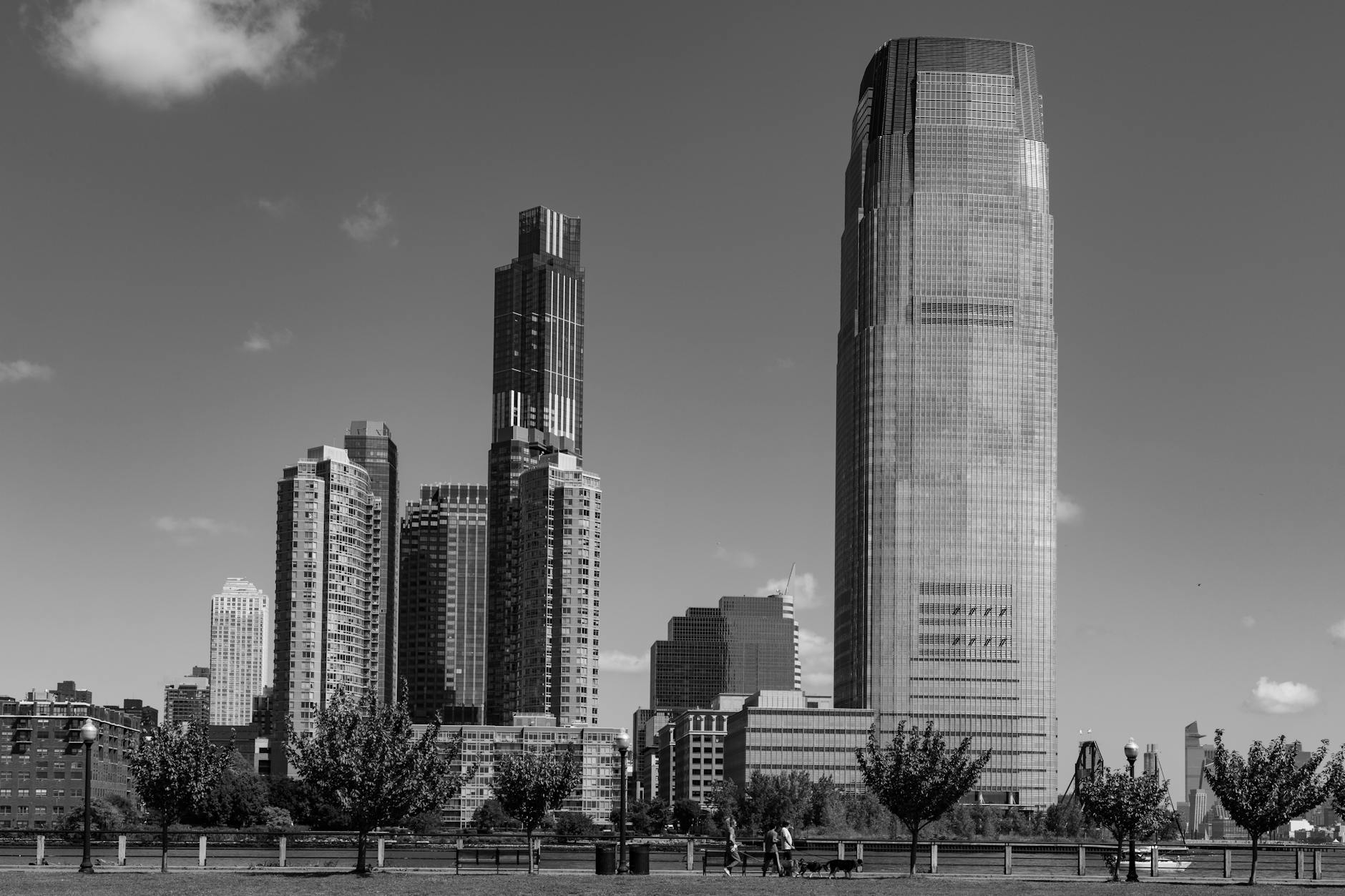
For New Jersey’s asset management community, headquartered in Jersey City’s financial district and managing trillions in institutional capital, critical mineral supply chain security has become a material ESG and risk management consideration. Western-hemisphere palladium from an allied jurisdiction is exactly the kind of asset that institutional frameworks are increasingly designed to seek out.
A 132.83% tariff on Russian palladium in February. A NASDAQ-listed acquisition of the western hemisphere’s largest undeveloped palladium deposit in March. A presidential administration actively focused on Greenland’s strategic resources. All within a 60-day window. For New Jersey’s industrial and financial communities, the Skaergaard story deserves close attention now.