











































NJ Has Highest Property Tax Bills in the Nation in 2025
New Jersey homeowners paid an average property tax bill of $10,499 in 2025, the highest in the U.S., with 10 counties topping $10,000.
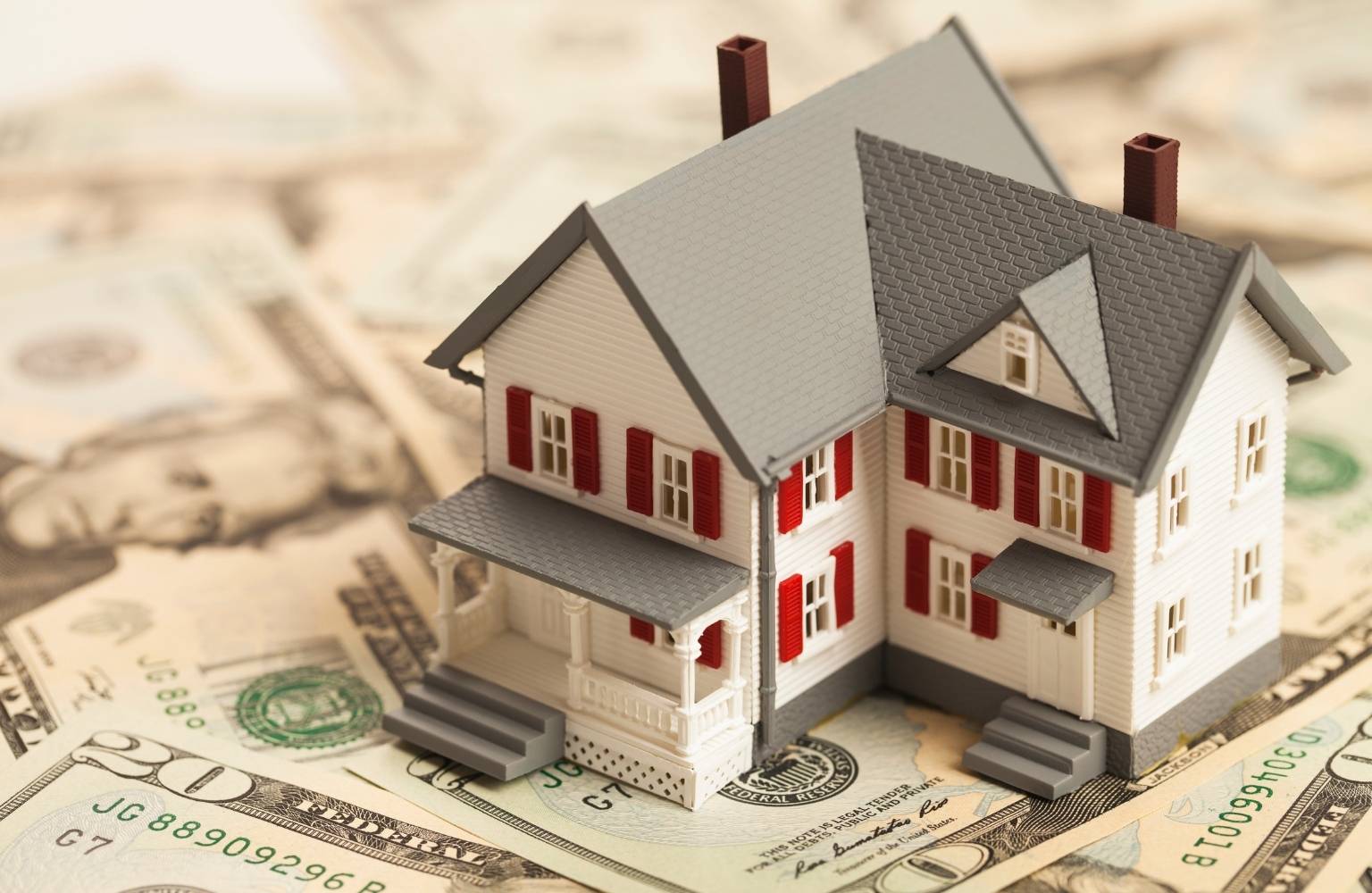
New Jersey homeowners paid an average property tax bill of $10,499 on single-family homes in 2025, the highest in the country and nearly 10 times the $1,081 average in West Virginia, according to a new analysis by ATTOM, a national property data firm.
The numbers are brutal. Ten of the 26 counties in the United States where the average single-family tax bill topped $10,000 last year were in New Jersey, more than any other state. California had five. New York had three.
Bergen County led the state with an average bill of $14,443, followed closely by Essex County at $14,337. Those figures sit well above the national average of $4,427 per home, which itself rose 3% from the prior year as property tax levies nationwide climbed to $396.8 billion across more than 89.6 million single-family homes.
New Jersey’s effective tax rate of 1.58% ranked second in the country, behind only Illinois at 1.84%. Vermont, Connecticut, and Ohio rounded out the top five. The Trenton metro area hit 1.89%, ranking third among the 25 largest metro areas with populations over 200,000, behind Binghamton, N.Y. at 2.27% and Champaign, Ill. at 1.95%.
That Trenton number matters to a lot of people. Hamilton, Ewing, and Lawrence Township homeowners don’t just feel the squeeze from their own municipal levies, they’re feeding school districts and county budgets that pile on top, and the math gets ugly fast.
The ATTOM analysis, covered by ROI-NJ, draws on tax assessor data from more than 86 million U.S. single-family homes across 1,502 counties. ATTOM calculates effective tax rates by dividing average tax bills by average estimated home values, which the firm sets using its own automated valuation model.
Nationally, the effective tax rate rose to 0.9% in 2026 from 0.86% in 2024, the highest rate since 2020, when it stood at 1.1%. Home values fell slightly last year even as bills went up, which means the burden on owners is growing relative to what their properties are actually worth.
“The combination of high home values and high tax rates is really a double hit for New Jersey homeowners,” said one housing analyst familiar with the ATTOM data, who added that the state’s heavy reliance on local property taxes to fund schools drives the bills higher than they’d be in states with more centralized education funding.
For renters and first-time buyers trying to get into the market, those tax figures don’t disappear. Landlords pass costs through. Sellers price them in. Anyone shopping in Woodbridge, Edison, or Freehold right now is buying both the house and whatever the town is sending the assessor’s office every year.
New Jersey’s local property tax system is among the least centralized in the country. The state doesn’t collect property taxes directly; instead, more than 560 municipalities each set their own levies, which go toward funding local schools, fire departments, and county services. That structure puts enormous pressure on individual towns and gives homeowners almost no way to escape the bills by moving across a county line.
The ATTOM 2025 Property Tax Analysis shows no sign that New Jersey’s position near the top of these rankings is changing anytime soon. The state has held the top spot for average tax bills for years, and the gap between New Jersey and the next closest state, Connecticut at $8,901, is $1,598 per year on a typical home. For a family already stretched by grocery and energy costs, that’s not an abstraction. That’s a car payment, or two months of utilities, sitting inside their property tax bill every single year.
Get Jersey Ledger Weekly
Top stories from Jersey Ledger in your inbox. Free.