






































NJ Health Officials Probe Cancer Cluster Near Keyport Landfill
New Jersey health officials confirm investigation into 41 cancer cases near a former Keyport landfill contaminated with benzene, arsenic, and lead.

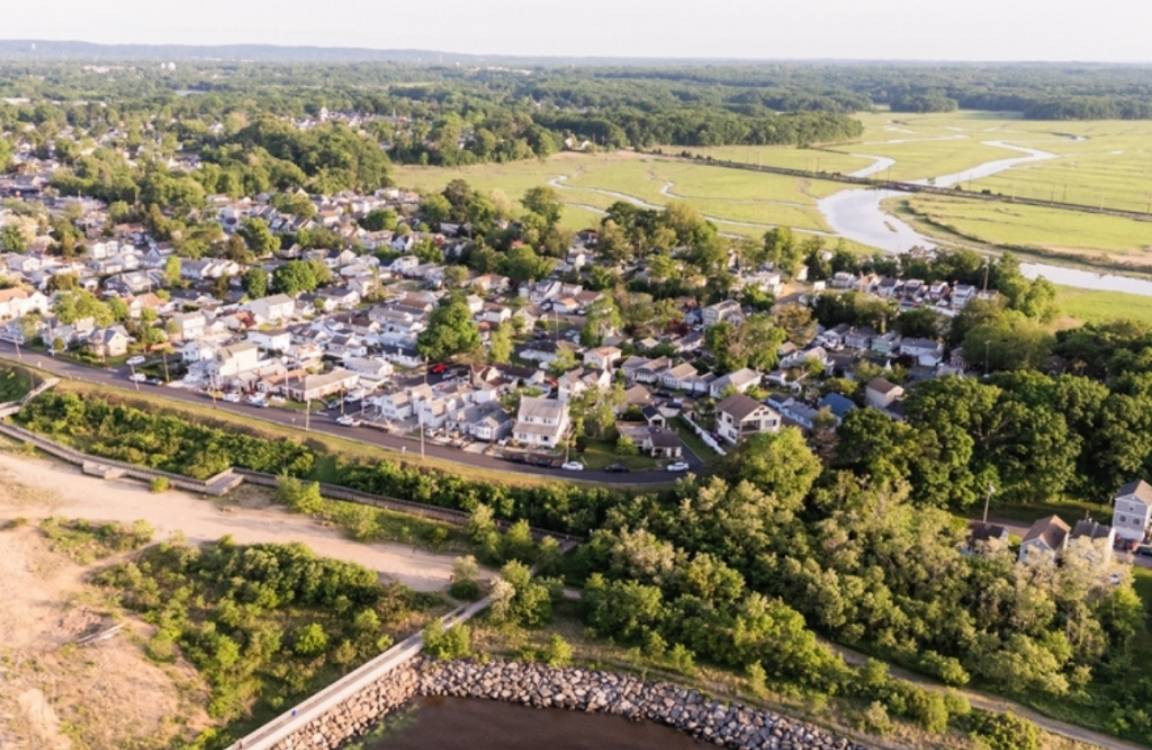
State health officials confirmed Wednesday they’re investigating dozens of cancer cases near a former landfill in Keyport, a Monmouth County township where residents have spent months demanding answers about whether contaminated land is making their neighbors sick.
Health Commissioner Raynard Washington appeared before the Assembly Budget Committee and said his department will examine whether the cancers are tied to a 50-acre site that spent years serving as an industrial park, dump, and informal gathering spot before it stopped taking waste in 1979. The contamination it left behind didn’t disappear. The state DEP has found ammonia, benzene, chlorine, and lead at unsafe levels in water at the site. Arsenic, vanadium, and polychlorinated biphenyls showed up at elevated rates in soil.
A local resident catalogued 41 people in the surrounding community who’ve been diagnosed with various cancers. Twenty-eight of them live on a single street near the landfill. Those numbers caught the attention of Assemblyman Gerry Scharfenberger, a Republican from Monmouth County who pressed Washington hard at Wednesday’s committee session.
Scharfenberger didn’t hold back. “There is very clear evidence of a cancer cluster around the site,” he said, calling the contamination a site with “all the bad bells and whistles you can expect.”
Washington, who’s an epidemiologist by training, didn’t dispute the community’s fear. But he cautioned lawmakers that building a scientific link between multiple cancer diagnoses and a shared environmental source is a slow, methodical process — one he described as “difficult and confusing to the public.” Still, he made a commitment. “You have my commitment we are going to move as quickly as possible through the process,” Washington told the committee, according to the New Jersey Monitor.
What that process looks like matters. The federal Centers for Disease Control and Prevention defines a cancer cluster as a geographic area showing a higher-than-expected number of diagnoses within a defined population group, with cases that share a cancer type or a common cause. Meeting that threshold officially isn’t easy, and it’s not fast.
New Jersey’s been here before. At least 65 graduates of Colonia High School in Woodbridge Township were diagnosed with a rare brain cancer, a case that drew statewide attention, though investigators ultimately determined it didn’t meet the formal definition of a cluster. Toms River is the other reference point — officials confirmed a cancer cluster there in a separate investigation that became one of the most studied environmental health cases in the state’s history, detailed in a Pulitzer Prize-winning book about chemical contamination in that community.
Keyport residents won’t find much comfort in how those earlier cases unfolded. State investigations can take years. Scientific certainty and community urgency don’t run on the same schedule. That’s the tension Washington stepped into Wednesday, and it’s not one he can resolve with a committee-room promise.
The 50-acre site’s history is long and grimy. It functioned as a dump, it’s now an industrial park, and it’s been sitting in the middle of a residential community for decades since closing in 1979. That footprint doesn’t shrink. The DEP is still managing contamination there, and the people who live nearby are still counting sick neighbors.
Scharfenberger represents that community, and he’s making clear he won’t let this disappear into a bureaucratic queue. The question now is whether Washington’s commitment translates into an investigation that moves at the speed Keyport needs — not the speed Trenton is comfortable with.
Get Jersey Ledger Weekly
Top stories from Jersey Ledger in your inbox. Free.