




































Sherrill Unveils $60.7B NJ Budget Boosting School Funding
Gov. Mikie Sherrill proposed a record $60.7B New Jersey budget with historic K-12 funding and cost cuts to address a $3 billion structural deficit.

Gov. Mikie Sherrill rolled out a record $60.7 billion budget Tuesday, her first since taking office, that pumps historic amounts into New Jersey’s public schools while trying to stabilize a state fiscal picture she described in stark terms.
“Government hasn’t been working, and the budget is broken in New Jersey,” Sherrill said. “We have one of the worst budget gaps in the nation.”
The fiscal year 2027 spending plan grows just 1.6 percent above last year’s adjusted appropriation. That’s a significant pullback from the trend of the past eight budgets, which increased spending at an average rate of nearly 7 percent per year. Acting Treasurer Aaron Binder said the proposal “finds solutions to cut costs without compromising services for everyday New Jerseyans.”
Sherrill and Binder had already flagged the problem in February, warning that a structural deficit estimated at roughly $3 billion could drain the state’s reserves within two fiscal years if left unaddressed. Tuesday’s budget is Sherrill’s answer to that warning. It proposes nearly $2 billion in cost reductions while maintaining a $5.4 billion surplus.
The biggest headline in the proposal is education spending. Sherrill is asking the Legislature to approve $12.4 billion for K-12 schools, the largest allocation in state history and a $370 million increase over last year. Preschool Education Aid would also hit a record $1.4 billion. The budget doubles high-impact tutoring funding to $15 million, which Sherrill says would extend that program to nearly 100 more districts and reach 13,500 additional students who fell behind academically during the pandemic.
The governor framed those investments as essential to keeping families in New Jersey and giving children a competitive footing.
On healthcare, Sherrill put the responsibility squarely on large employers. She proposed requiring any company with 50 or more workers enrolled in Medicaid to either cover those employees directly or pay a fine. Sherrill specifically called out companies like Amazon and Walmart. The policy is projected to raise $145 million annually, money the state needs as federal health policy shifts create serious pressure on New Jersey’s Medicaid rolls.
Sherrill said that because Congress declined to extend Affordable Care Act premium credits, roughly 500,000 New Jerseyans will see their insurance premiums triple this year. Another 300,000 stand to lose Medicaid coverage entirely. Those numbers represent a real crisis for working families who don’t have employer-sponsored coverage, and the employer fine proposal is Sherrill’s direct response to large corporations that have effectively shifted health costs onto the state.
The budget also makes the sixth consecutive full payment into the state pension system, contributing $7.3 billion. That streak matters. New Jersey spent decades skipping or shortchanging pension payments, creating a liability that still haunts the state’s finances. Maintaining full payments signals a commitment to not backsliding.
Sherrill said the budget includes no new taxes on individual New Jersey residents, a line she repeated throughout her presentation.
The governor also carved out money for a new concern gaining traction across the country. She proposed $125,000 to establish an Office of Youth Online Mental Health Safety and Awareness within the Department of Health, along with $500,000 for a Social Media Research Center to be housed at a New Jersey higher education institution. Sherrill said she sees social media’s effect on children as a serious public health issue worth tracking and addressing with dedicated state resources.
More than 74 percent of the total budget would flow back into communities through grants, property tax relief, social services, higher education aid, and direct funding to schools, municipalities, and counties.
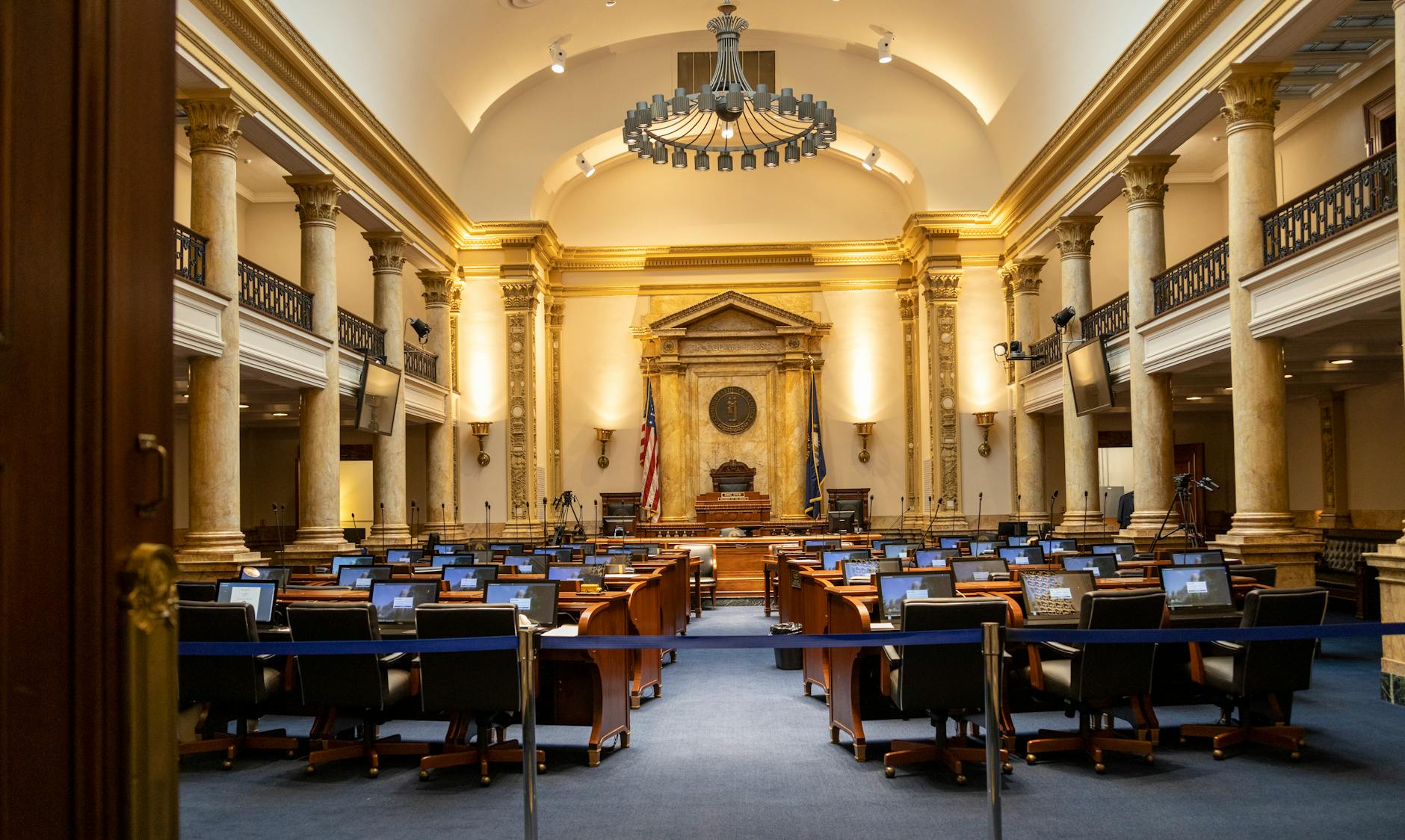
The spending plan now goes to the Legislature for debate. Sherrill has positioned this budget as a corrective, one that slows the pace of spending growth while protecting core services and making targeted investments in areas like education and child health. Whether lawmakers agree with those trade-offs, particularly any adjustments to senior tax benefits also included in the broader proposal, will shape what the final version looks like when the fiscal year begins in July.