









































Governor Sherrill Proposes $60.7B NJ Budget in Trenton
New Jersey Governor Mikie Sherrill unveiled a record $60.7 billion budget, targeting fiscal reform, education, and pension funding amid federal funding cuts.

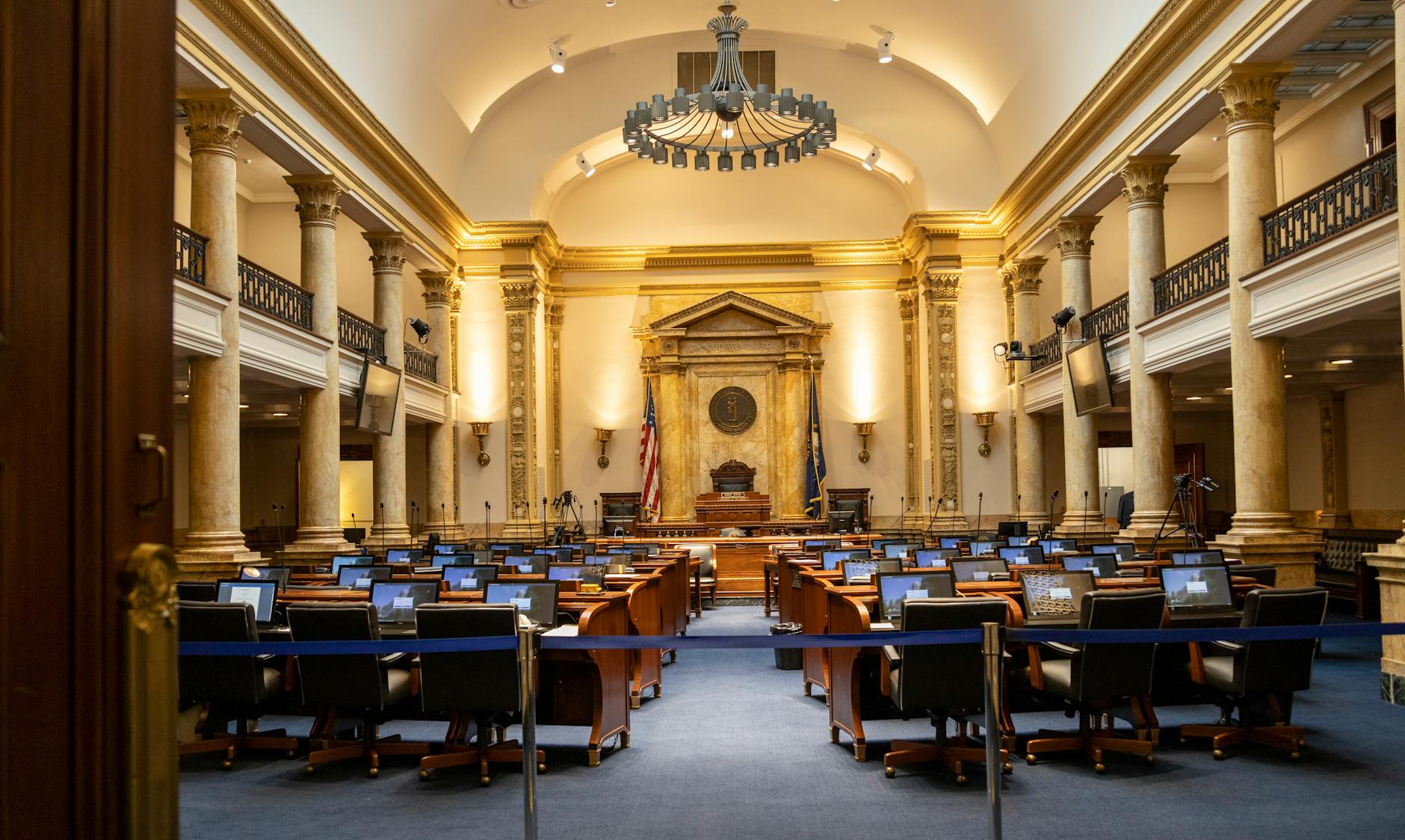
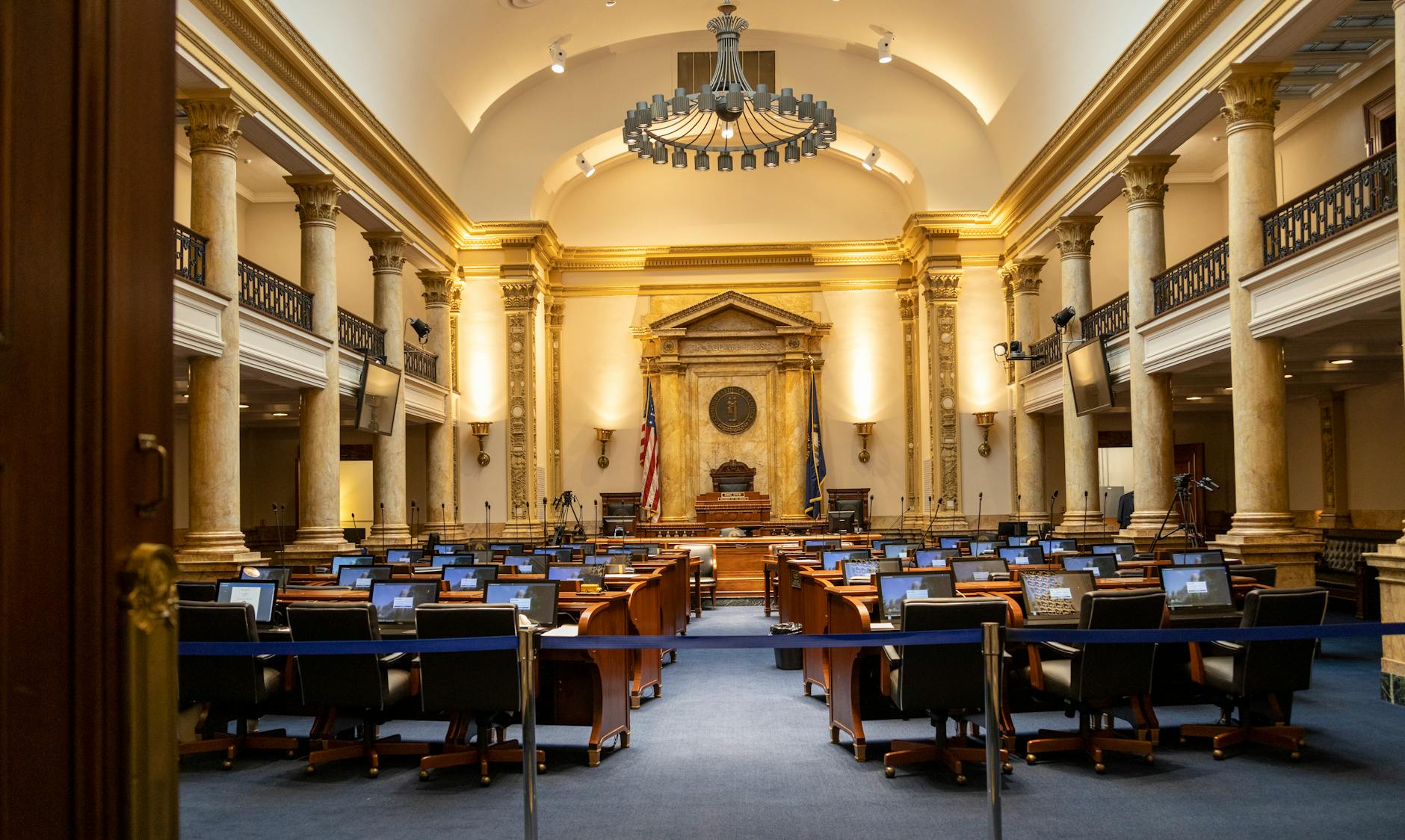
Governor Mikie Sherrill walked into the statehouse Tuesday and told Trenton something it hasn’t heard in a while: the party is over.
Sherrill submitted a proposed $60.7 billion state budget, a record in sheer size, but one she framed as a turning point after years of fiscal drift under both parties. She took aim at the Trump administration, at the structural problems baked into New Jersey’s finances, and at the political culture in Trenton that allowed those problems to fester.
“Families sent us here to fight for them,” Sherrill said, and she used that framing to justify some uncomfortable choices.
The budget increases spending on public education and mass transit, makes a full pension payment, and proposes a $5.4 billion surplus. More than 74 percent of the total budget flows back into communities through grants-in-aid, property tax relief, social services, higher education funding, and direct aid to schools, municipalities, and counties. Sherrill said the plan also reins in costs by nearly $2 billion. While the prior eight budgets grew at an average annual rate of roughly 7 percent, this proposal comes in at just 1.6 percent above the adjusted FY 2026 appropriation.
But the Governor did not pretend the numbers tell a clean story. She acknowledged a significant structural budget imbalance and named three forces driving it.
“Trump’s devastating cuts. Covid relief drying up. Costs continuing to rise. Those things have all collided to put us in this position,” Sherrill said.
The Trump administration’s cuts to healthcare, housing, food aid, foster care, schools, and infrastructure are punching a hole in the state budget right now, she said. Federal pandemic relief money that helped paper over New Jersey’s underlying fiscal problems for six years is drying up. And the cost of providing healthcare, funding schools, and keeping state government running keeps climbing.
Sherrill did not stop at blaming Washington. She pointed the finger at decades of governors and legislatures from both parties who took the easy path and let the structural problems pile up. It was a pointed critique from a Democrat who now owns the mess she inherited.
One of the sharper policy moves in the budget involves Stay NJ, the property tax relief program for seniors. Sherrill called it a good program, but one that needed a harder look.
“It keeps seniors, so often living on a fixed income, in their homes,” she said. “But it benefits households that make as much as 500,000 dollars a year. I’m changing that, to safeguard Stay NJ for middle class seniors. If you make 250,000 or less, your tax relief is in this budget. That’s going to save taxpayers hundreds of millions of dollars a year.”
The adjustment targets relief toward seniors who actually need it. Sherrill also said the ANCHOR program would pick up more support for low- and middle-income senior renters, calling it a fairer and more efficient use of taxpayer money.
For New Jersey families, this budget carries real stakes. Federal funding cuts are not abstract policy debates happening in Washington. They show up in school budgets, in hospital reimbursement rates, in food programs for kids and seniors. The state has been absorbing those shocks while also losing the emergency federal revenue that helped disguise how structurally out of balance Trenton’s finances were.
What Sherrill is attempting is a reset. Slower spending growth. Targeted relief instead of broad programs that send checks to households making half a million dollars. A full pension payment that previous administrations skipped when times got hard. The budget does not solve everything, and the structural imbalance she acknowledged will not disappear in one budget cycle.
But the Governor is signaling that she intends to govern differently than the politicians who came before her in this building. Whether the legislature, which has its own priorities and its own political pressures, goes along with that vision is the next question Trenton has to answer.
The budget now heads to the legislature for hearings and negotiation. The fiscal year begins July 1.