


























Al Coutinho: Newark's Ironbound Politician
Al Coutinho carried Newark's Ironbound community into public service, rising through the legislature as a voice for Portuguese American immigrants.

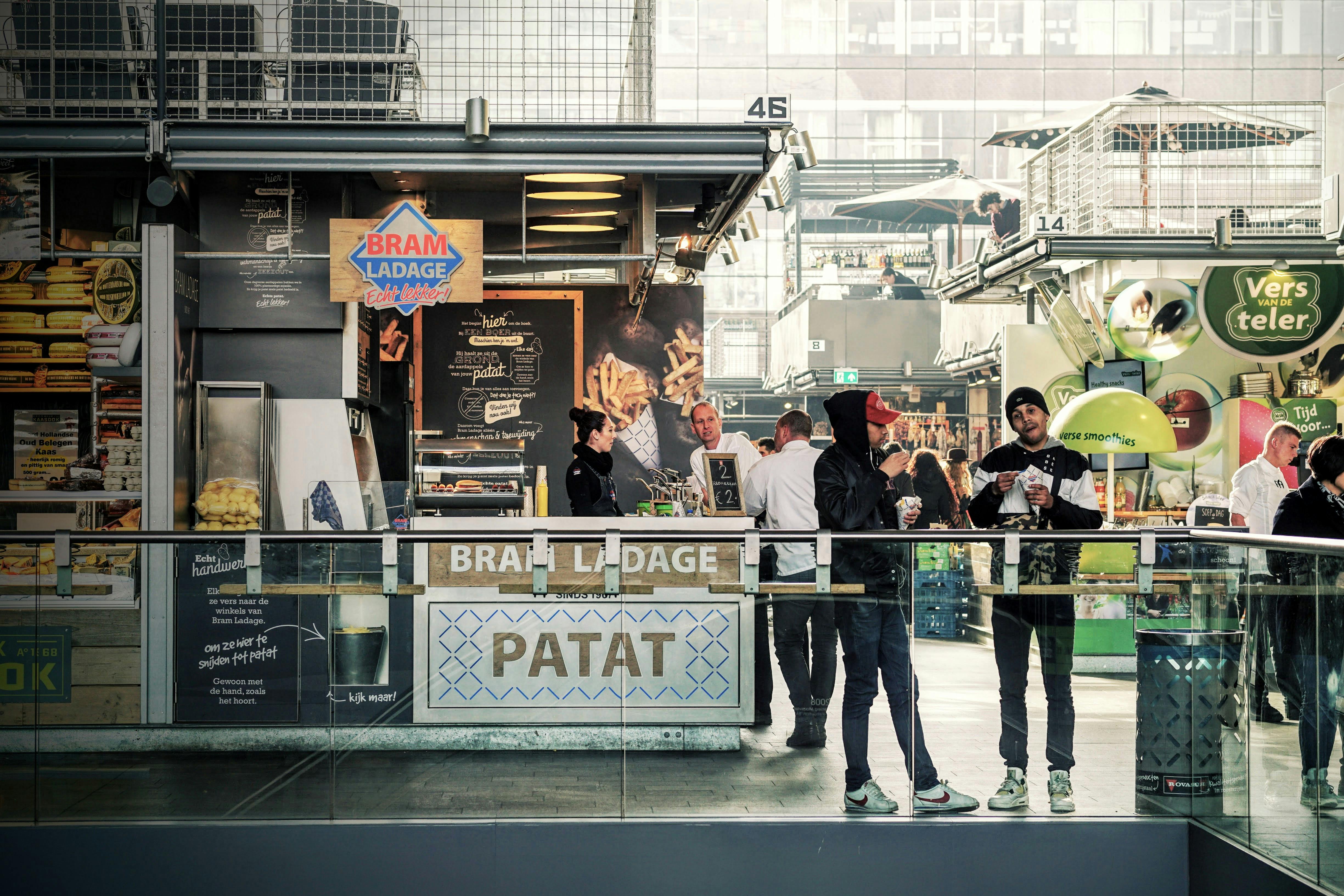
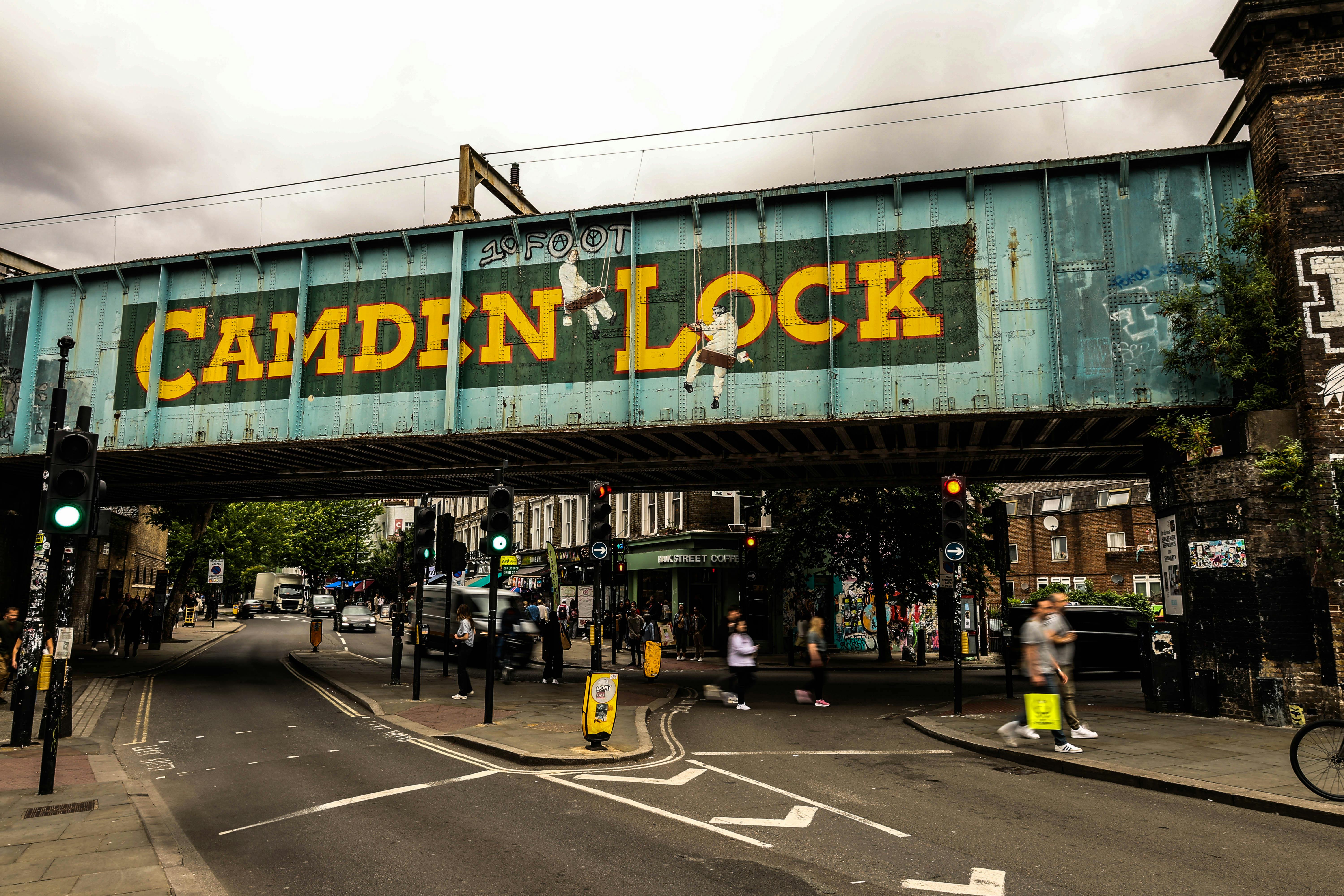
Al Coutinho carried Newark’s Ironbound with him everywhere he went, the way a good writer carries his hometown into every sentence. For those who knew him, Ferry Street was never just a street. It was a point of origin, a way of seeing the world.
The son of Bernardino Coutinho, founder and organizer of Portugal Day in Newark, Al grew up rooted in the Portuguese American experience of the Ironbound. That upbringing shaped everything that followed, from his studies in business, economics and finance at New York University to his years in public service representing the people who raised him.
His first major step into elected politics came in 2007, when he joined a ticket assembled by Mayor Cory Booker and the late Steve Adubato Sr. as they worked to build political influence in the state legislature. Having strengthened their alliance during the 2006 citywide election, Booker and Adubato saw an opportunity to extend their reach into the Democratic Primary in District 29. They believed they had the right combination of candidates to unite Newark behind a shared vision.
The ticket was built with geography and community in mind. M. Teresa Ruiz ran for Senate. L. Grace Spencer and Coutinho ran for the Assembly. If Spencer represented the South Ward and Ruiz the North, Coutinho was the East, the Ironbound, the child of immigrants who understood exactly what it meant to build something new without forgetting where you came from.
Then-Sheriff Armando Fontoura, himself a former Newark beat cop who walked those same Ironbound streets, introduced Coutinho with particular pride. Here was a proud son of a baker and business owner who had gone to NYU, earned advanced degrees, and come back to serve the neighborhood that made him.
The Ruiz-led ticket won the primary decisively and carried the general election just as convincingly. Once in Trenton, the three did not coast on the win. Within a year, they delivered on one of their central campaign commitments: new school construction for communities that had been waiting too long.
Coutinho and Spencer took the lead in the Assembly to build support for a $3.9 billion state borrowing allocation. Of that total, $2.9 billion went toward construction in poor and urban districts. The Ironbound got something concrete out of it, a long-overdue school on Oliver Street that the community had been promised and had not received.
This is the kind of legislative work that rarely makes national headlines but lands hard at home. In Newark, in the Ironbound, a new school building is not an abstraction. It is a statement about whether the state believes those children deserve what children in wealthier districts have always taken for granted.
Coutinho had served in the Assembly before, during the late 1990s, so he knew the building, knew the rhythms of Trenton. But the 2007 campaign marked something larger. It connected him to a coalition that was trying to write a new chapter for Newark, and he brought his neighborhood’s voice directly into that effort.
What distinguished him, by all accounts, was not just the policy work but the person behind it. He radiated a kind of expansiveness, a willingness to bring people into his perspective, to let them see the Ironbound and the Portuguese American experience not as something narrow or provincial but as a prism through which the larger world became more vivid and more human.
Newark’s congressional delegation and Trenton’s representatives have long struggled for visibility in national conversations about urban policy, education funding and equitable investment. Coutinho’s career stands as a reminder of what community-rooted representation can produce when it operates with both conviction and competence.
The school on Oliver Street still stands. So does the record of what one legislator from Ferry Street helped get done.