




































NJ Bill Would Refund Fees for Delayed Permits and Licenses
A New Jersey Senate bill would require state agencies to refund application fees when permits or licenses aren't processed within set timelines.

New Jersey businesses and professionals waiting months for state permits or licenses could soon get their money back if a bill advancing through the Legislature becomes law.
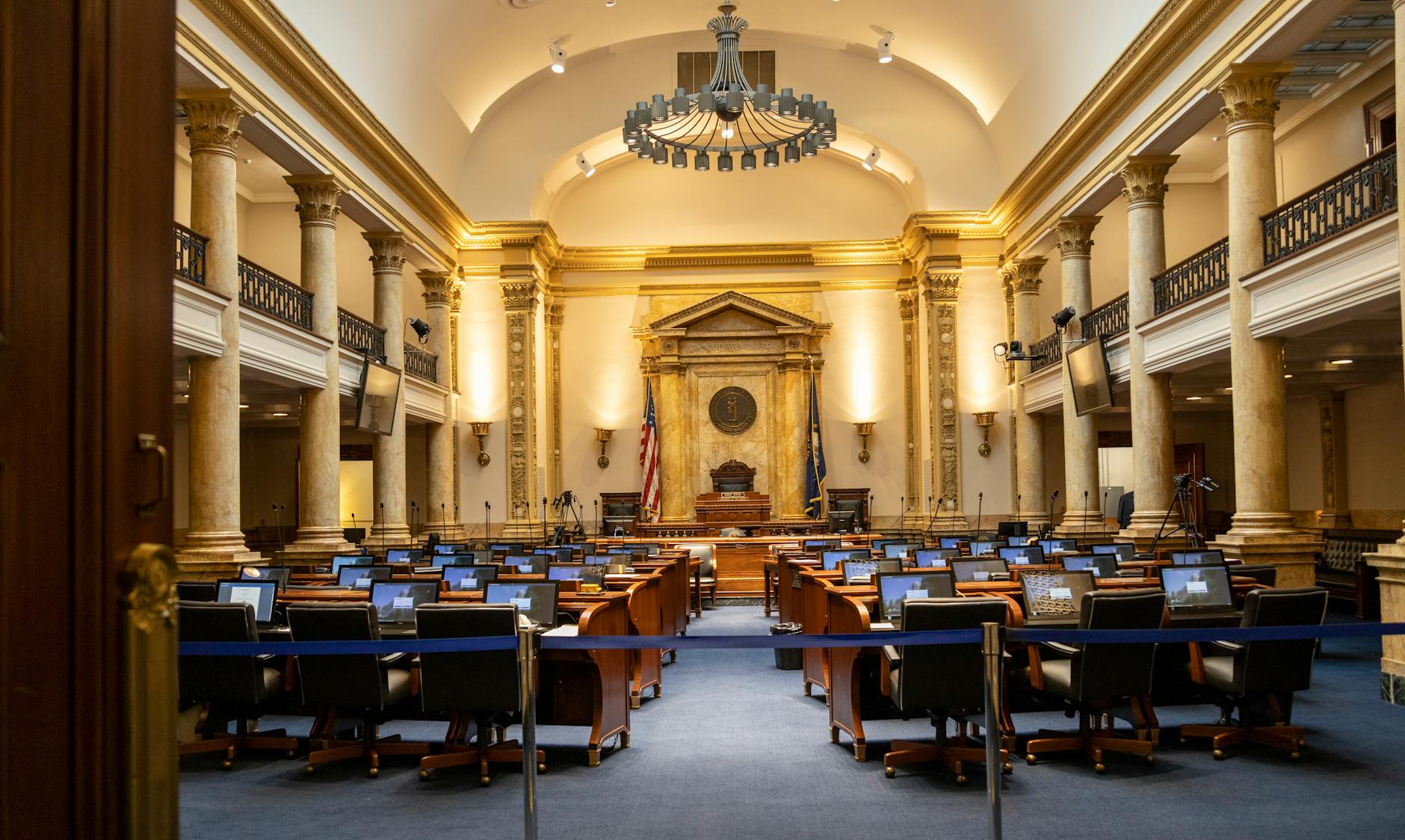
The Senate Commerce Committee moved S-1788 forward this week, a measure sponsored by state Sen. Troy Singleton, D-Burlington, that would require state agencies to refund application fees when they fail to process permits, licenses, or certifications within established timelines. The bill takes direct aim at a problem that has frustrated entrepreneurs, contractors, and licensed professionals across New Jersey for years.
“Entrepreneurs and professionals across New Jersey depend on timely approvals from the state to start businesses, create jobs, and keep projects moving,” Singleton said. “This legislation is about creating transparency and accountability in the permitting and licensing process while ensuring that applicants are not forced to pay the price when government delays slow things down.”
The scope of the bill is broad. Under S-1788, every state department, agency, board, commission, corporation, and authority that issues permits, licenses, or certifications would need to build detailed catalogs of every application type it handles. Those catalogs would go to the Governor’s Office and document each application’s description, its legal authority, applicable fees, how applications are submitted, and current processing requirements.
The Governor’s Office would then set recommended processing timelines across state government. When an agency misses its timeline, it would owe the applicant a full refund of the application fee. The only carve-out: delays that are the applicant’s fault.
The scale of what’s being regulated here is significant. The Division of Consumer Affairs alone oversees 51 professional and occupational boards covering more than 720,000 licensed professionals. Those boards cover everyone from contractors to cosmetologists to clinical social workers. Other departments handle permits for waste transportation, agricultural labor management, and dozens of other regulated activities.
For small business owners and sole practitioners, application fees are not trivial. A contractor waiting six months for a license renewal, or a new business owner waiting on a permit to open, isn’t just dealing with bureaucratic frustration. They’re losing income. They’ve already paid fees, often hundreds of dollars, for a service the state has not delivered on schedule.
The bill also fits neatly with a priority Gov. Mikie Sherrill set from her first day in office. Sherrill signed an executive order on inauguration day targeting permitting delays and costs, calling for greater accountability and transparency in the regulatory process. S-1788 would translate that executive priority into statute, giving it teeth that an executive order alone cannot provide.
New Jersey’s reputation as a difficult place to do business gets cited often, and slow permitting is a consistent complaint. The state has made efforts in recent years to modernize its application systems, moving more processes online and consolidating some functions. Those improvements helped, but they didn’t solve the delay problem. Applicants are still reporting significant wait times on approvals, and there has been little formal consequence for agencies that miss processing windows.
The refund mechanism changes that calculus. When delays carry a financial cost for the issuing agency, the institutional incentive shifts. Agencies that know slow processing triggers refunds will have reason to allocate staff, budget, and technology to fix the bottlenecks that cause those delays in the first place.
The catalog requirement matters too. Right now there is no single comprehensive accounting of all the permits, licenses, and certifications the state issues, what they cost, and how long they take. Building that inventory creates a public record that journalists, advocates, and lawmakers can use to track performance over time. Accountability is hard to enforce when no one has a complete picture of what the government is actually doing.
The bill still needs full Senate approval and a companion measure in the Assembly before it reaches the governor’s desk. Given Sherrill’s stated commitment to permitting reform, it would likely find a receptive signature if it clears both chambers.
For anyone who has sat waiting on a state approval while a business launch stalls or a project sits idle, the logic of S-1788 is straightforward. If the state collects a fee to provide a service, it should deliver that service on time. If it doesn’t, it should give the money back.