










































NJ Gov. Sherrill Unveils $60.7B Budget for Fiscal 2027
Governor Milly Sherrill proposes a record $60.7B New Jersey budget with $2B in cuts, $4.2B property tax relief, and a $5.4B surplus.

Governor Milly Sherrill walked into the Statehouse on Tuesday and made one thing clear: New Jersey’s budget dysfunction ends now, or at least that’s the plan.
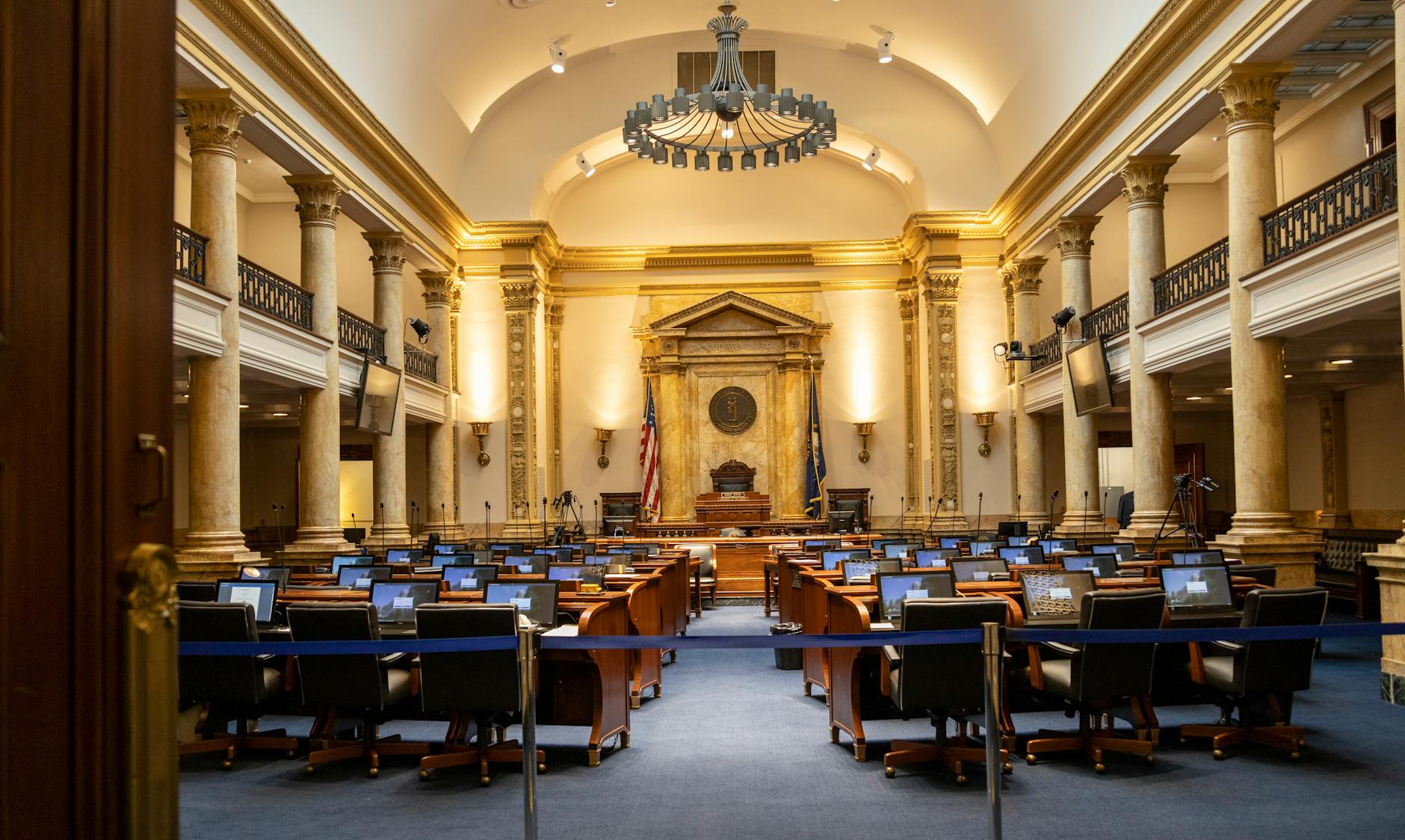
Sherrill delivered her first budget address to the Legislature, unveiling a $60.7 billion proposal for fiscal year 2027 that would set a new record for state spending. She didn’t soften the diagnosis. “Government hasn’t been working the way it can, the way it should,” Sherrill said. “And here in New Jersey, a broken budget is at the heart of so much of that. For too long, too many in Trenton have taken the easy way out, opting for a quick fix, instead of laying the foundation for a solid future.”
The budget puts a $5.4 billion surplus on the books and promises $2 billion in spending cuts, including what Sherrill called an end to “special interest giveaways.” The StayNJ property tax relief program survives but gets trimmed, with lower income limits and a reduced maximum award. The proposal still includes $4.2 billion in overall property tax relief, a full pension payment, and $12.4 billion for school funding.
New Jersey Transit, perpetually starved for cash and perpetually in crisis, would see a $215 million funding increase under the proposal. Sherrill also carved out money for a new youth mental health initiative, a nod to a crisis that has quietly become one of the state’s most urgent problems.
On the efficiency front, the governor signaled various government restructuring measures, though specifics will come out in the weeks of budget hearings ahead.
Legislative Republicans were unmoved. They called the proposal “more of the same,” a familiar Trenton counter-punch that doesn’t engage with the specifics but signals they plan to fight. The battles over StayNJ cuts alone could get loud, given how many suburban lawmakers built their political brands around that program.
Sherrill is also working against a federal headwind. Washington’s funding cuts to states have put Trenton in a tighter spot, and the governor acknowledged the fight ahead on that front.
While Sherrill was holding the statehouse floor, the state’s congressional and legislative races were churning through their own drama.
In Bergen County, Alex Zdan locked up the Republican endorsement for Senate. In CD9, Republican primary voters there handed Pino the Bergen GOP endorsement over Burress. The Bergen contests matter because the county, New Jersey’s most populous, can tilt statewide races.
Down in Ocean and Somerset counties, Richard Tabor swept both GOP Senate endorsements, building a geographic coalition that could make him a credible primary contender.
The CD11 race is already turning nasty. Mejia hit Hathaway over a photo showing him posing with a January 6th participant. Hathaway fired back, accusing Mejia of a post-primary political makeover, saying her “rebrand just doesn’t match the rhetoric.” That exchange is a preview of a primary that will draw national money and attention.
In CD12, Assemblyman Danielsen endorsed Robinson in what figures to be one of the more competitive Democratic primaries in the state. Vaingankar picked up endorsements from Asian American advocacy groups. Mayor Adrian Mapp used the moment to call for reform of how county party organizations hand out endorsements, a structural critique that’s been percolating for years but rarely gains traction.
In CD7, Roth won a Summit Democrats straw poll, a small data point but a signal of grassroots energy in a district that Democrats want badly.
Over in CD2, Democrats are tangled up trying to figure out who takes on Rep. Jeff Van Drew. Mullock won the Cape May Democrats’ backing, but the county party is divided, and a fractured primary field benefits Van Drew, who has survived tougher cycles than most people expected.
Back at the county level, Sussex County approved a 3.5% budget cap resolution, keeping local spending in check as towns brace for potential state aid adjustments.
Sherrill’s budget now heads into the long slog of legislative hearings. Trenton has a way of grinding good intentions into compromise and delay. The governor’s credibility this year will be measured by how much of this proposal she can actually land.