



























Priya Jain Clears Senate Hearing for NJ Transportation Chief
Priya Jain won unanimous Senate Judiciary Committee approval to become New Jersey's transportation commissioner, advancing toward a full Senate confirmation vote.
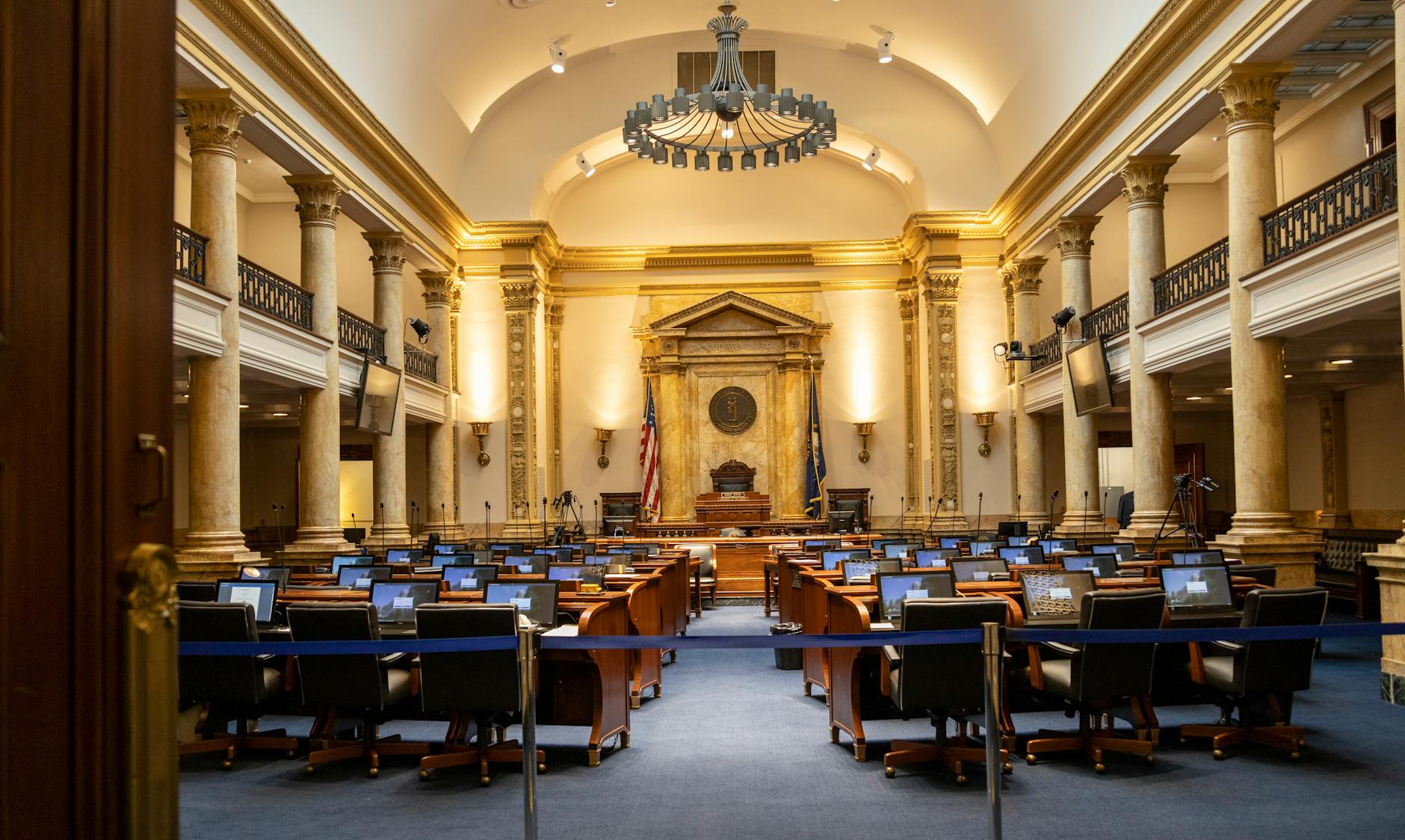
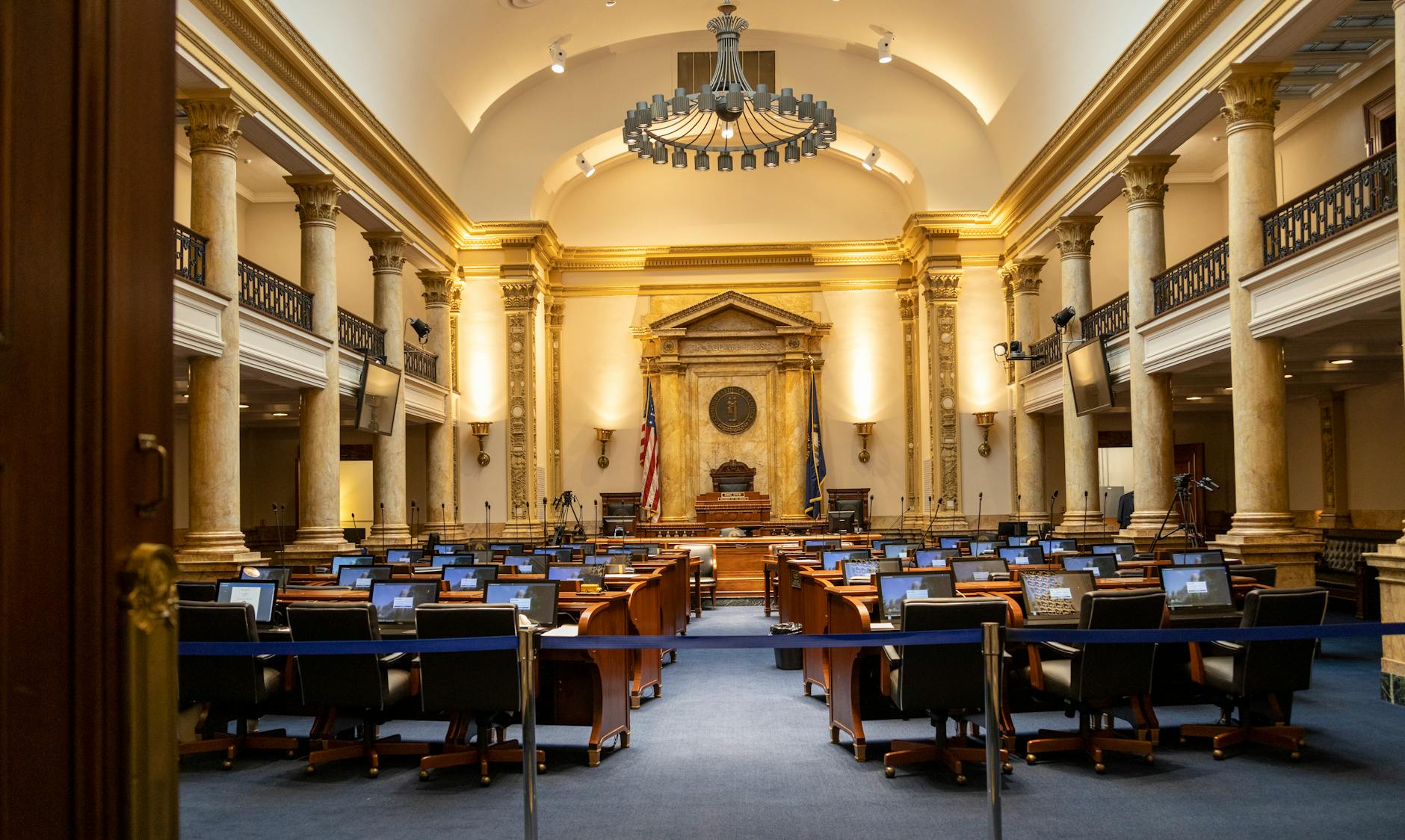
Priya Jain cleared her first major hurdle toward becoming New Jersey’s next transportation commissioner Thursday, winning unanimous approval from the Senate Judiciary Committee after a hearing that touched on everything from highway litter to crumbling bridges to the chronic funding headaches plaguing NJ Transit.
The committee’s unanimous vote positions Jain, an engineer with extensive private-sector experience, for a confirmation vote before the full Senate later this month. Gov. Mikie Sherrill nominated her to lead the state Department of Transportation, where she has been serving in an acting capacity.
Jain came prepared with a broad message about public investment and project delivery. “Throughout my career, I have worked closely with public agencies to manage significant public investment and to deliver projects that communities rely on every day. That experience informs how I will approach this role,” she told the panel.
Senators used the hearing to flag a range of infrastructure concerns that have frustrated their constituents. They pushed Jain to pursue federal funding for sinkholes that knocked out a stretch of Route 80 last year, crack down on roadway litter, improve traffic safety, and give serious attention to the state’s aging bridge inventory.
On bridges, Jain did not hedge. “None of us want to have a bridge safety accident happen on our watch,” she said, signaling a willingness to work with the Legislature on safety improvements even if the specifics remain to be worked out.
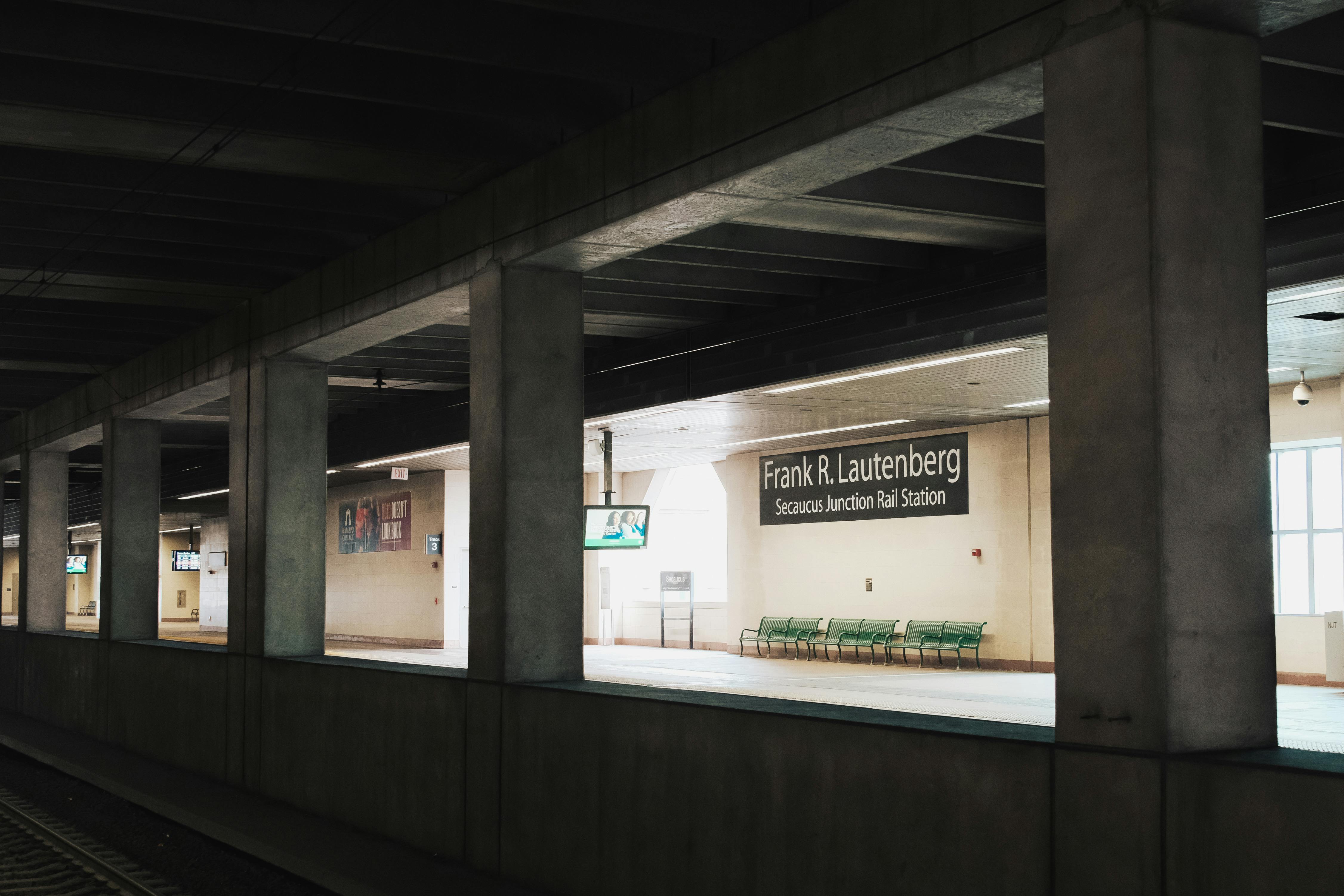
The thorniest subject of the hearing was NJ Transit funding, and Jain largely sidestepped it. She declined to specify how the state should shore up the agency’s finances long-term, framing the decision as one for lawmakers to make. “Long term, I will say the Legislature will need to find the right funding formula, including whether there should be fees that should be there or tolls should be increased or fares should be increased, but the goal has to be to really look at and make sure we don’t stray from safety, reliability, efficiency,” Jain said.
That answer is understandable given the political minefield NJ Transit funding represents. The agency survives on a cobbled-together mix of direct state subsidies, dedicated tax revenue, Turnpike Authority transfers, and diversions from other state funds. Keeping that structure running without a meltdown has challenged multiple administrations.
One piece of that structure is already showing signs of strain. The corporate transit fee, a 2.5% surtax on businesses earning more than $1 million annually, was designed to provide a dedicated revenue stream for NJ Transit. When lawmakers adopted it, the expectation was that it would cover roughly a quarter of the agency’s funding in the current fiscal year. The reality fell short. Declining estimated payments, changes in the federal tax code automatically adopted by New Jersey, and an April 2025 court ruling that let some businesses claim refunds from prior tax years all undercut the revenue projections.
The surtax is set to expire on Jan. 1, 2029. Business groups fought its original passage and are expected to oppose renewal just as aggressively. That fight will almost certainly land during Sherrill’s term, making NJ Transit funding a political battle she cannot avoid.
Sherrill’s first budget proposal, unveiled earlier this week, keeps the existing funding patchwork largely intact while proposing to raise NJ Transit’s direct state subsidy substantially, from $43.9 million to $282 million. That’s a significant increase in direct support, but it also signals that the governor recognizes the corporate transit fee alone cannot carry the load.
Jain’s confirmation appears likely. No senator on the committee raised objections serious enough to create friction, and the unanimous vote suggests strong bipartisan goodwill. What comes after confirmation is harder. New Jersey’s roads and bridges need sustained investment. NJ Transit needs a durable funding solution that doesn’t require annual patchwork decisions. Route 80 has sinkholes. The highway shoulders have litter.
Jain has the engineering background to understand the problems. Whether she has the political footing to push solutions through Trenton is the question her tenure will answer.