








































Gov. Sherrill Plans to Fine Large Employers Over Medicaid Workers
New Jersey Gov. Mikie Sherrill proposes fining companies with 50+ workers on Medicaid up to $725 per employee, targeting Amazon, Walmart, and Target.

Gov. Mikie Sherrill wants large corporations to pay up if they’re leaving workers on the public dime.
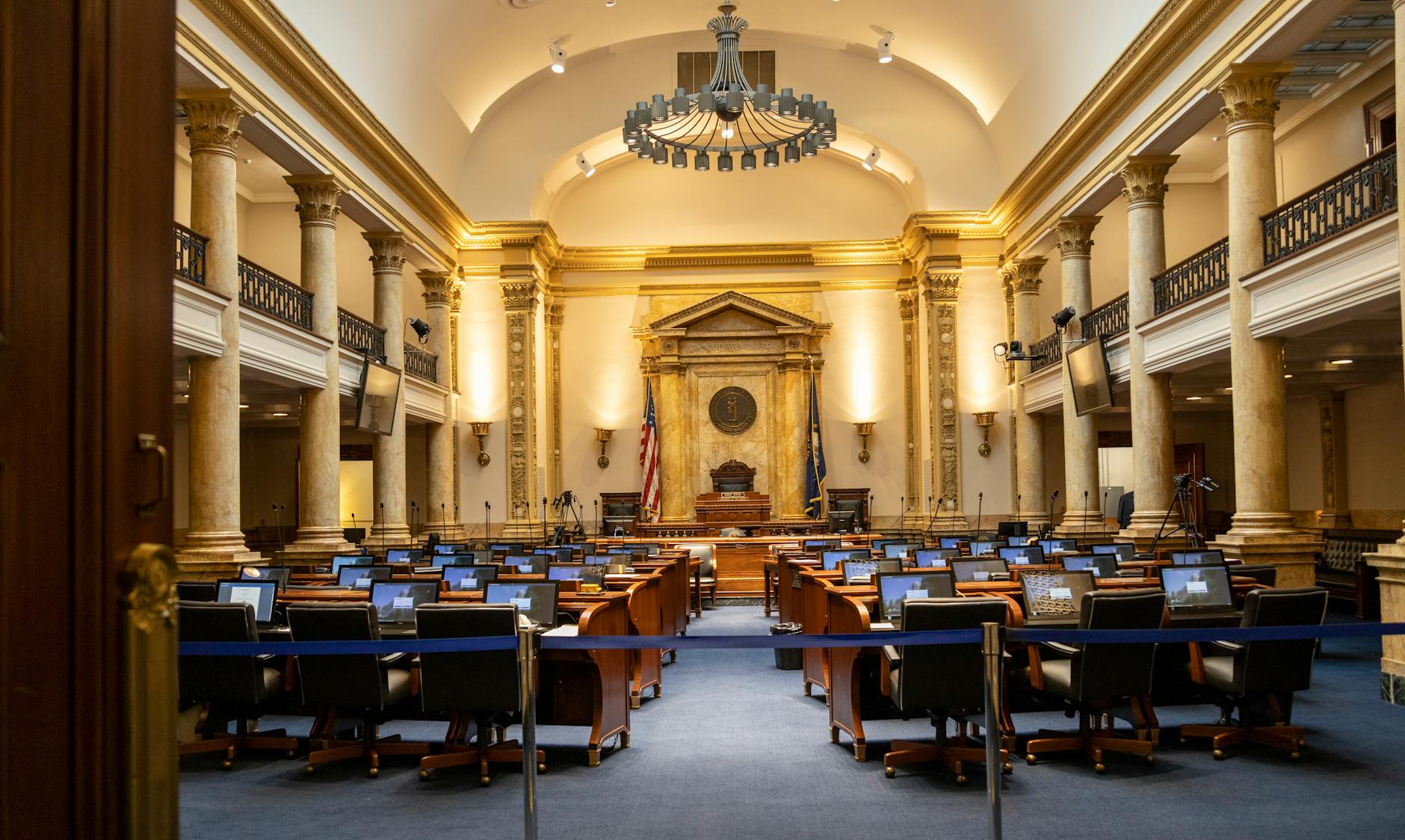
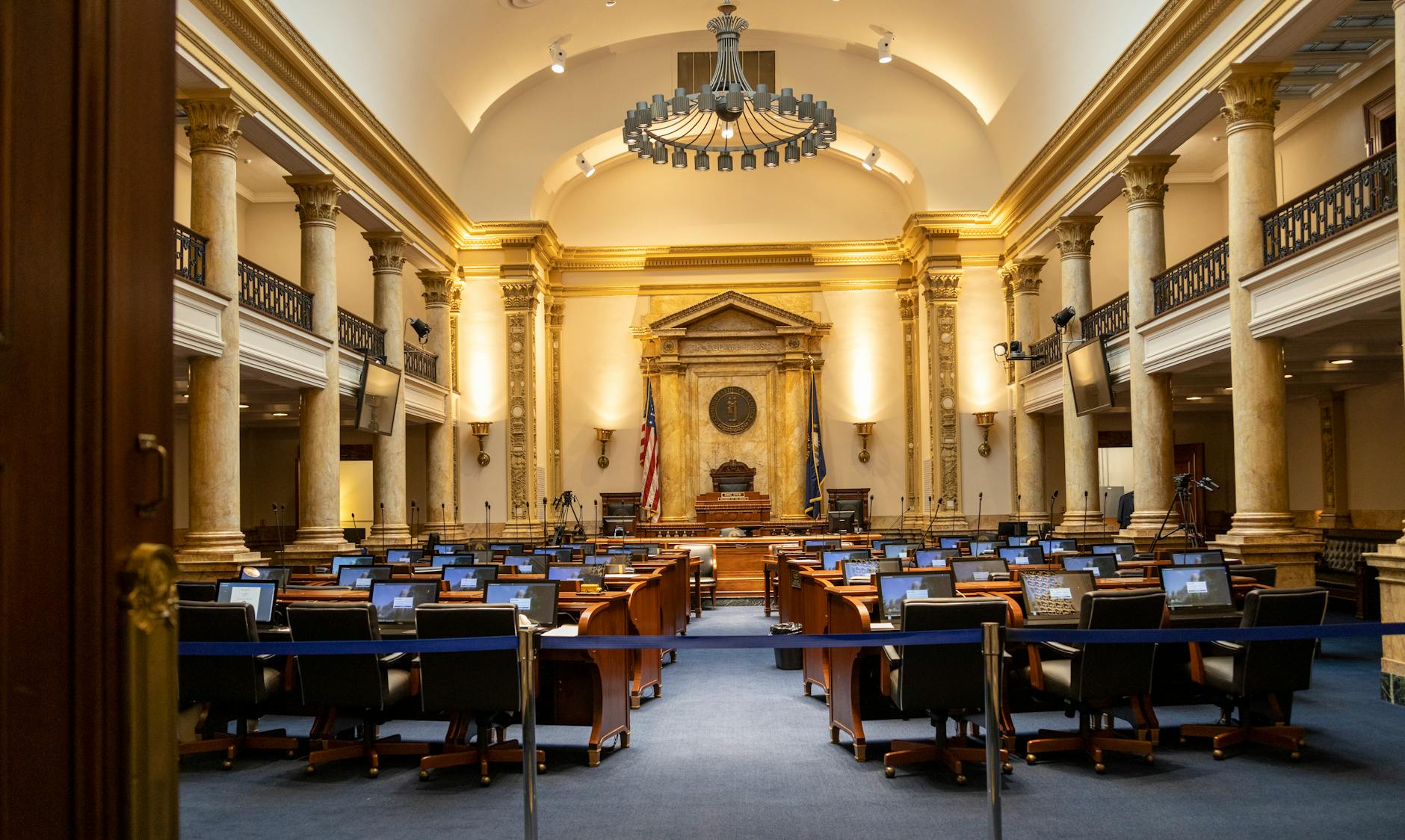
In her first budget address Tuesday at the Trenton Statehouse, Sherrill unveiled a proposal to fine big employers whose workers rely on Medicaid for health coverage. Under the plan, companies with 50 or more employees on the public insurance program would face fees of up to $725 per covered worker annually, generating an estimated $145 million for the state.
The targets are familiar names. Sherrill called out Amazon, Walmart, and Target by name, arguing that profitable corporations shouldn’t be offloading their health care obligations onto New Jersey taxpayers.
“Instead of asking taxpayers to foot that bill, this budget looks to large employers,” Sherrill said Tuesday. “It asks any company with 50 or more employees on Medicaid to cover their workers, which they should do anyway, or pay a fine.”
New Jersey taxpayers currently spend hundreds of millions of dollars each year covering health insurance for employees at large companies. Sherrill, a Democrat who took office on Jan. 20, framed the fee as a matter of basic fairness for warehouse workers, cashiers, and health care aides. “People who keep the economy running,” as she put it.
The proposal comes as New Jersey faces serious fiscal pressure from Washington. The Trump administration’s changes to Medicaid, which state officials project will push more than 300,000 New Jerseyans off the program, are expected to eventually cost the state $3.3 billion annually in hospital aid. Federal policy shifts have also driven up the cost of Affordable Care Act plans, which experts say will leave more residents without coverage altogether.
Against that backdrop, Sherrill’s $60.7 billion budget proposal devotes $28 billion to Medicaid next year, known in New Jersey as NJ FamilyCare, with $7.2 million coming from state taxpayers. The program currently covers 1.8 million people, many of them disabled or in nursing homes.
“It’ll reduce strain on the hospitals, easing the expected surge in E.R. care, the most expensive kind,” Sherrill said Tuesday.
The concept has precedent. Massachusetts runs a similar program, and the idea has been discussed in other states, though it has consistently met resistance from business groups. New Jersey’s version appears headed for the same fight.
Chris Emigholz, the government affairs leader at the New Jersey Business and Industry Association, didn’t mince words. “This is perhaps the most troubling part of the budget proposal for the business community,” he said in a statement, adding that health care costs already weigh heavily on employers.
Not everyone pushed back. Heather Howard, a Princeton University professor and former state health commissioner, called the corporate health care fee creative and intriguing. Howard argued the approach reflects a principle of shared responsibility.
“We all benefit from a healthy population and ensuring access to care,” Howard said. “Given the draconian federal cuts we’re facing and the threats to the safety net, it’s not fair to expect individual taxpayers to shoulder the increasing burden of health care costs.”
That tension, between corporate pushback and public need, is the central fight Sherrill is picking with this budget. She’s betting that New Jersey voters, squeezed by rising costs and watching safety net programs erode at the federal level, will side with her against the Amazons and Walmarts of the world.
The budget now moves to the Legislature for review. State lawmakers will have until the end of June to pass a spending plan. Whether Sherrill’s employer fee survives that process intact is an open question. Business lobbying in Trenton is organized and well-funded, and plenty of Democrats in the Legislature have complicated relationships with the employer community.
What’s not complicated is the arithmetic. New Jersey’s Medicaid obligations are growing, federal support is shrinking, and someone has to pay. Sherrill’s answer is that the bill should go to the corporations that have been quietly passing costs to the public for years. Business groups have a different answer. The next few months will determine whose math the Legislature accepts.