




















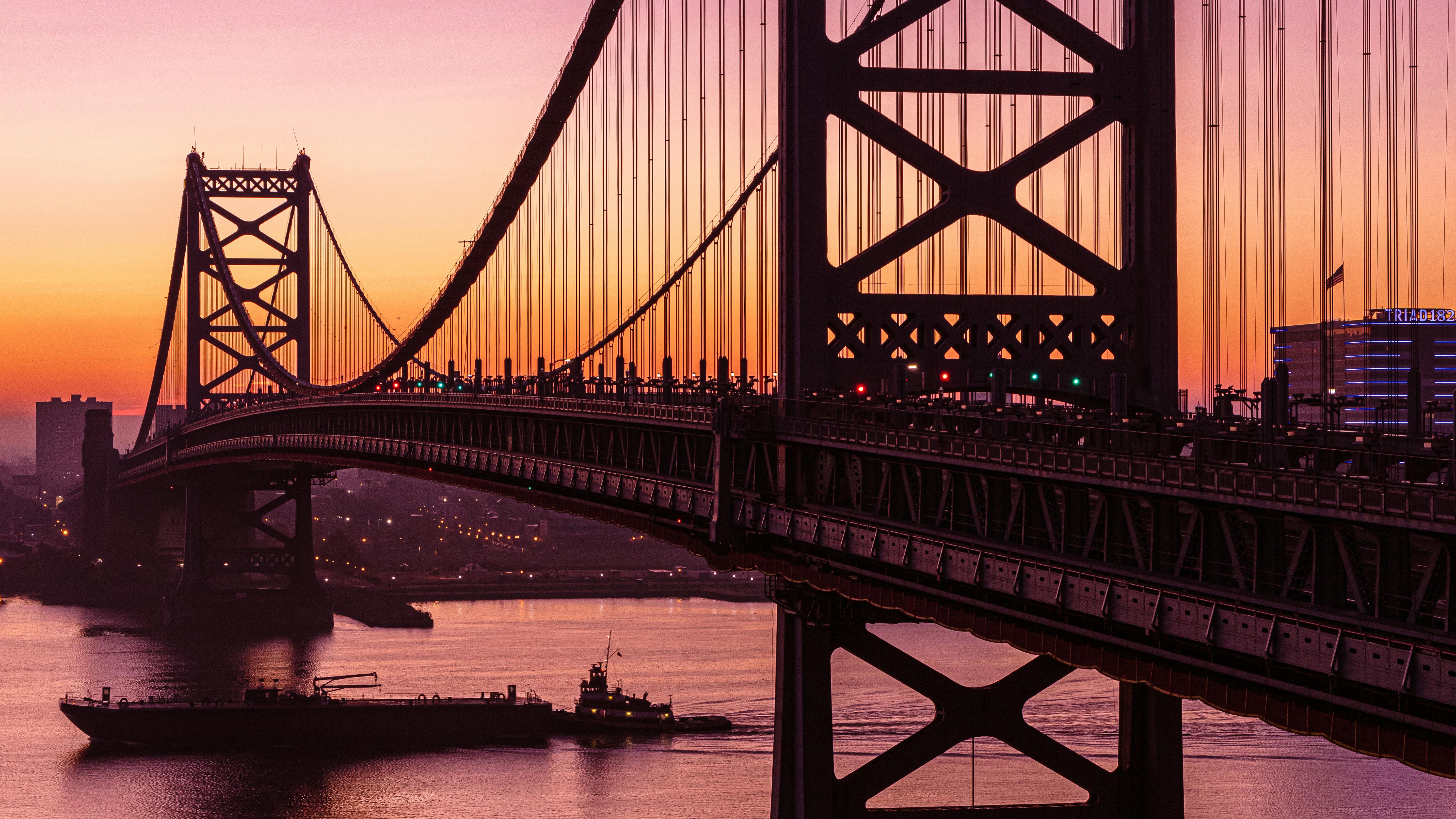
New Portal North Bridge Opens Early Amid NJ Transit Delays
NJ Transit opened the new Portal North Bridge three days early after overhead wire issues caused up to one-hour delays on the Northeast Corridor.
Commuters on NJ Transit’s Northeast Corridor and North Jersey Coast Line got a preview Friday of what post-Portal Bridge life looks like, as overhead wire problems forced officials to open the new Portal North Bridge three days ahead of its planned Monday debut.
Delays stretched up to an hour between Newark and New York after wire issues knocked service on the old Portal Bridge sideways. Rather than leave riders stranded through the weekend, officials authorized the switch to the new bridge immediately. The original cutover date had been set for March 16.
NJ Transit President and CEO Kris Kolluri said he spoke directly with Amtrak President Roger Harris early Friday morning, and that Amtrak crews worked overnight to address the problem near the old bridge. Kolluri framed the incident as exactly the kind of disruption the new construction was designed to eliminate.
During Friday’s disruptions, Northeast Corridor trains made local stops between Trenton and Newark Penn Station. North Jersey Coast Line trains made local stops from Rahway to Newark Penn Station. Officials said they expect commuters to return to regular schedules once repairs wrap up.
The timing underscored something commuters who ride these lines already know: the existing Portal Bridge, which the Pennsylvania Railroad built and put into revenue service in November 1910, is a source of chronic, grinding unreliability. The movable span that allows river traffic through has seized, malfunctioned, and stalled trains for decades. At more than 116 years old, every week of operation carries risk.
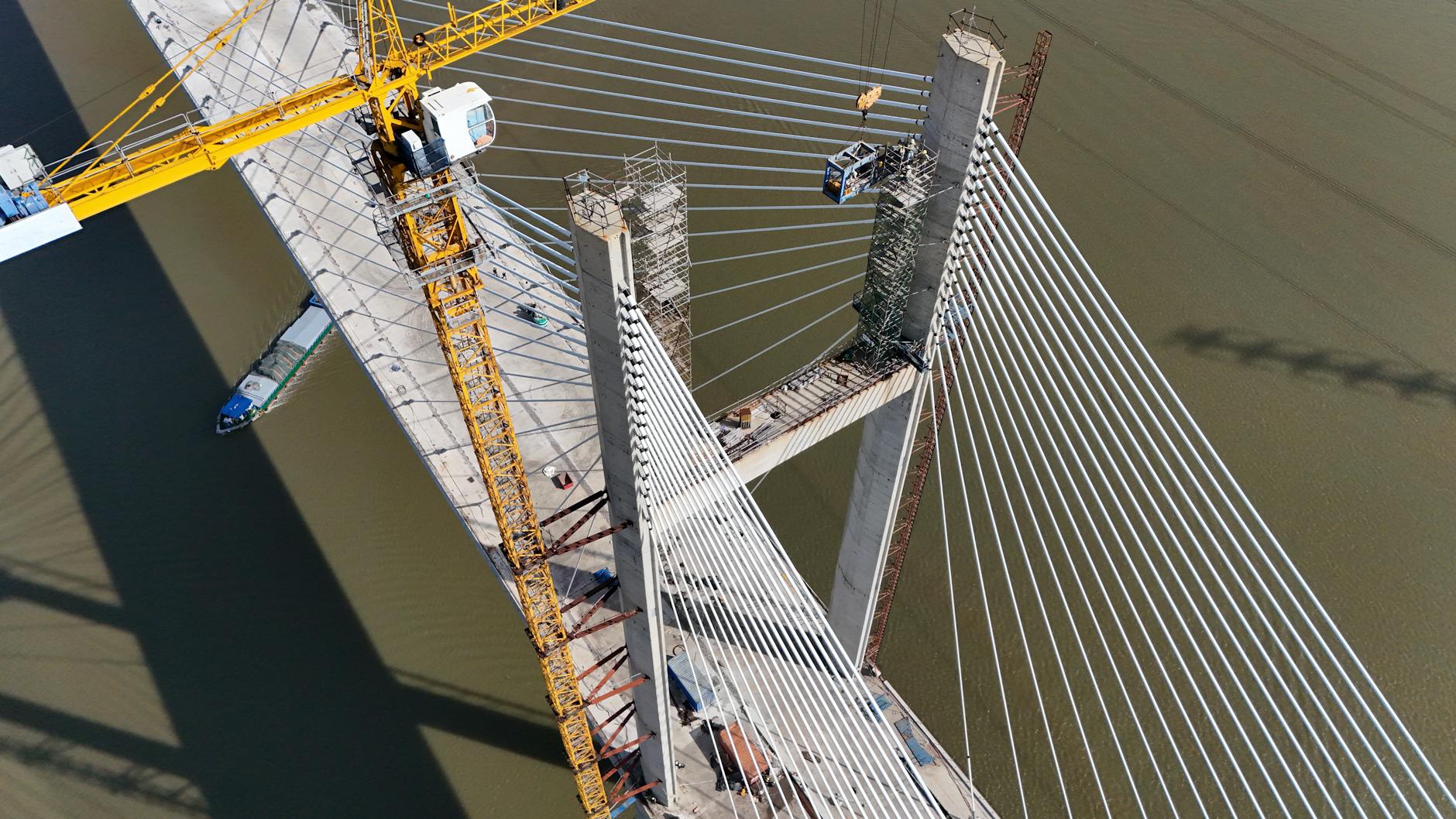
The new Portal North Bridge addresses that vulnerability directly. The structure rises 50 feet over the Hackensack River, doubling the current height clearance. Marine traffic will pass underneath without stopping trains. There is no movable span to jam. The design also allows for higher train speeds and added capacity on the Northeast Corridor, one of the most heavily traveled rail corridors in the country.
The project covers 2.44 miles of the Northeast Corridor and involved construction of retaining walls, deep foundations, concrete piers, structural steel spans, and new rail systems. Eventually, crews will demolish the existing bridge as part of the transition.
The NJ Transit Board of Directors approved the construction contract back in October 2021, awarding the work to a Skanska/Traylor Bros Joint Venture for $1.56 billion. That figure made it the largest single contract award in NJ Transit’s history. Funding came from the U.S. Department of Transportation, the New Jersey Transportation Trust Fund, the New Jersey Turnpike Authority, and Amtrak.
Amtrak began cutting over rail operations from the old bridge to the new one on Feb. 15, starting construction and operational activities that will ultimately transfer traffic to the new structure. But the process is gradual. The old Portal Bridge remains in service and will continue carrying trains through the fall, when the second track cutover is scheduled to happen. That cutover transfers rail traffic from the last remaining track on the old bridge over to the new Portal North Bridge permanently.
For NJ Transit commuters, Friday’s chaos carried a double message. The short-term pain of an hour-long delay on a workday morning is real. Workers who depend on these trains to get to jobs in Manhattan, to hospitals, to offices in Newark, don’t have the luxury of waiting for infrastructure upgrades to kick in. Every disruption has a cost measured in missed meetings, unpaid hours, and frayed patience.
But the early activation of the new bridge signals that the region’s most significant rail infrastructure investment in a generation is close to delivering results. A fixed-height bridge over the Hackensack River that doesn’t depend on a movable span and doesn’t require marine traffic to coordinate with train schedules represents a structural fix, not a patch.
The full benefit won’t arrive until both tracks are running on the new bridge, which won’t happen until the fall cutover is complete. Until then, riders on the Northeast Corridor and North Jersey Coast Line are operating in a transition period, with all the uncertainty that implies.