































58 Candidates File for NJ Congressional Primaries
Democrats flood New Jersey's congressional primaries as Republicans struggle to recruit candidates amid low Trump approval ratings and expected midterm losses.
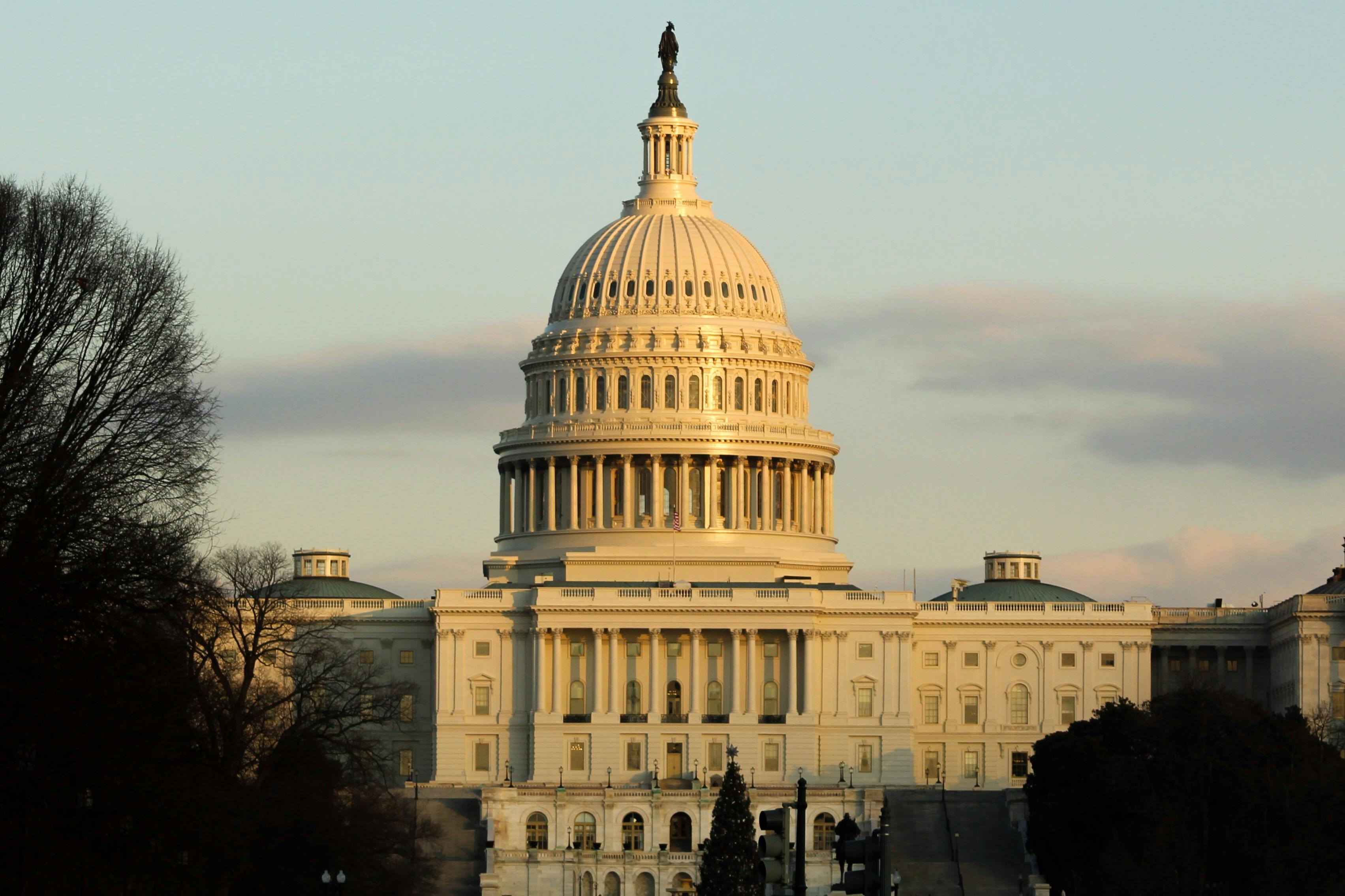
Fifty-eight candidates filed by Monday’s deadline to run in New Jersey’s congressional primaries, and political observers say the field tells a story that should worry Republicans heading into November’s midterms.
With President Donald Trump’s approval ratings hitting record lows, the state’s GOP is struggling to field competitive candidates across the board. Of the 53 House candidates who met New Jersey’s filing requirements this week, just 15 are Republicans. That’s fewer than a third of the total field.
Dan Cassino, a professor of government and law at Fairleigh Dickinson University and executive director of the FDU Poll, said the dynamic feeds itself. “Republicans are expecting a wave election in the fall. Because they’re expecting a wave election, the highest quality challengers don’t bother to run, which creates the wave election whether it was already going to happen or not. It becomes a self-fulfilling prophecy,” Cassino said. “At the same time, Democrats come out of the woodwork to run.”
All 12 of New Jersey’s House races carry a contested primary on at least one side, with one exception: South Jersey’s 1st Congressional District, where incumbent Rep. Donald Norcross faces no Democratic challenger and Republican Damon Galdo, a conservative podcaster, has no GOP competition either.
Everywhere else, the races are active. Eight incumbents face no primary challengers from their own party, but four do. And the sheer volume of Democratic candidates in several districts reflects just how much the national mood has shifted.
Nowhere is that more apparent than in Central Jersey’s 12th Congressional District, which covers parts of Mercer, Middlesex, Somerset, and Union counties. Thirteen Democrats are competing for the party’s nomination to replace Rep. Bonnie Watson Coleman, a six-term congresswoman who is retiring. That kind of crowded field signals strong Democratic enthusiasm in a district that includes a chunk of Mercer County, which is home turf for this reporter.
The most striking development in this cycle may be the 8th Congressional District in North Jersey. Rep. Rob Menendez, a two-term Democrat, will face one primary challenger, Mussab Ali, but no Republicans filed to run at all. The 8th will be the only New Jersey congressional race with no GOP candidate on the ballot.
Cassino said that is historically unusual. “I don’t know the last time we had a congressional race in Jersey where a major party just didn’t bother to nominate anyone,” he said. “Sure, oftentimes they’ll put up a sacrificial lamb. But just not even bothering to put anyone up? That’s a bad sign.”
For Republicans still running, the focus turns to survival. The most closely watched GOP incumbent is Rep. Thomas Kean Jr., who is seeking a third term in the 7th Congressional District, long considered one of the state’s most competitive swing seats. Four Democrats filed to challenge him: Rebecca Bennett, Michael Roth, Tina Shah, and Brian Varela. Observers widely consider Kean the most vulnerable of New Jersey’s three House Republicans, and a four-way Democratic primary suggests the party sees a real path to flipping that seat.
Nationally, Democrats are increasingly optimistic that they can flip enough seats to retake both the House and Senate after November. The mood is being driven by Trump’s sagging poll numbers, and New Jersey, with its mix of suburban swing districts and strong Democratic base, is shaping up as a meaningful part of that national picture.
New Jersey’s congressional delegation already leans Democratic, but this cycle the party is playing offense. The depth of the Democratic primary fields, from 13 candidates in the 12th to competitive multi-candidate races in other districts, reflects genuine competition for the opportunity to be in Washington when the next Congress is seated.
June’s primary will sort out which Democrats earn the right to make that case in November. Between now and then, the question is whether the party can unify quickly enough behind its nominees to capitalize on what Cassino and other observers see as a genuine opportunity to reshape the state’s delegation and contribute to a broader national shift.