































Trump Pays $1B to French Firm to Abandon Wind Leases
The Trump administration will pay TotalEnergies $1 billion to surrender offshore wind leases off North Carolina and New York, funding gas expansion instead.
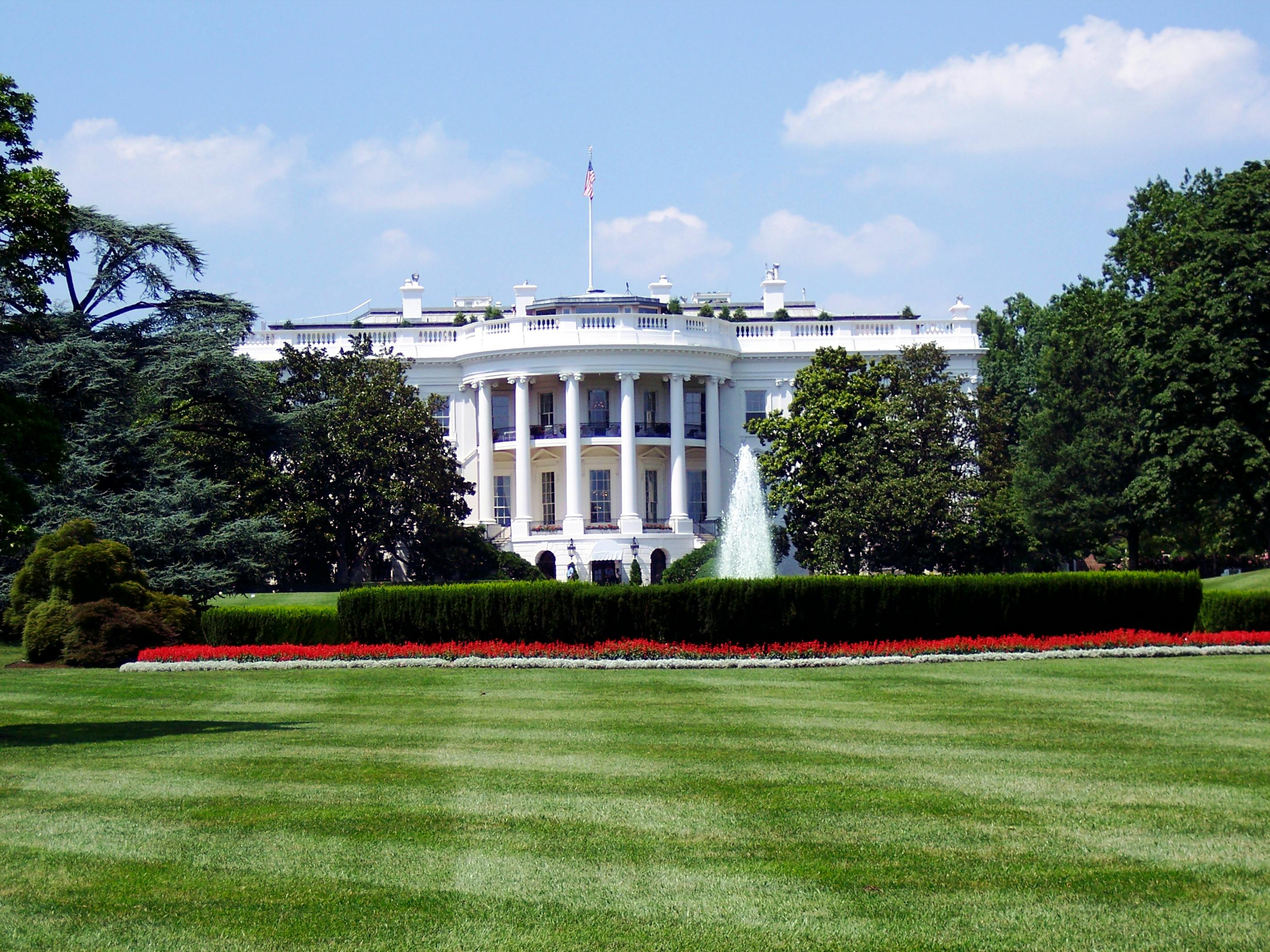
The Trump administration will pay $1 billion in taxpayer money to a French energy company to walk away from two offshore wind leases, a move critics are calling a federally funded retreat from clean energy.
Paris-based TotalEnergies agreed to surrender its leases for offshore wind projects off the coasts of North Carolina and New York after the Department of Interior announced what it called an “innovative agreement” on March 24. TotalEnergies CEO Patrick Pouyanné confirmed the company renounced offshore wind development in the United States in exchange for reimbursement of its lease fees. That money will fund a liquefied natural gas plant in Texas and expanded oil and gas activities. TotalEnergies will receive the reimbursement after it makes those investments, according to the Interior Department.
The projects being shelved were not minor. Together, the two wind farms could have generated more than 4 gigawatts of electricity. The larger of the two, known as Attentive Energy, was planned 54 miles south of Jones Beach and would have produced enough power for more than one million homes and businesses across New York and New Jersey.
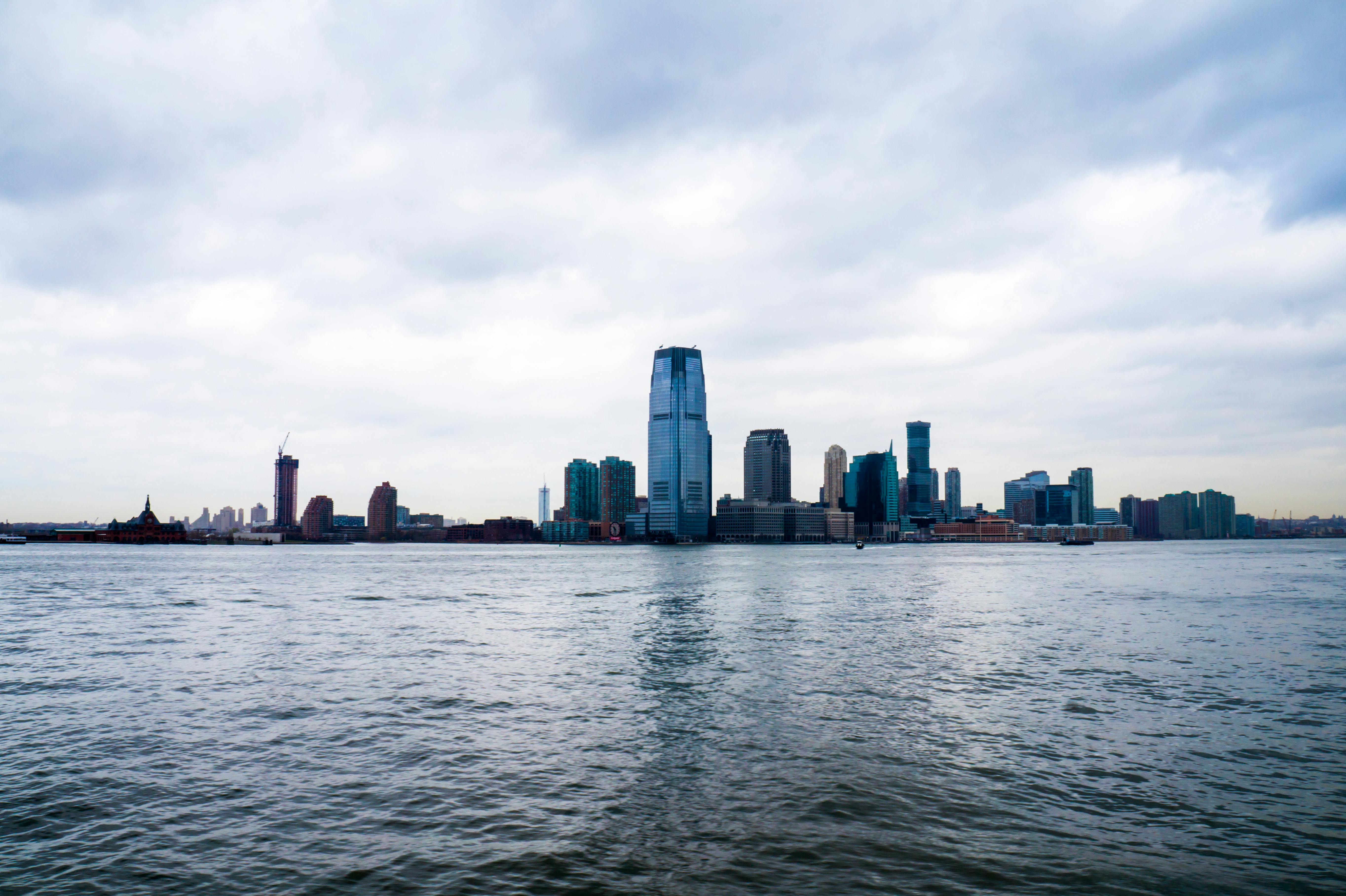
For New Jersey residents already watching energy costs and grid capacity with concern, losing that supply is not an abstraction.
The Interior Department framed the deal as protecting taxpayers from what it called “ideological subsidies” propping up a “costly offshore wind industry.” Environmental groups pushed back hard, with at least one organization labeling the payment a “billion-dollar bribe” to kill clean energy.
State Sen. John McKeon, a Democrat representing Essex and Passaic counties, condemned the deal in direct terms. “It is appalling that additional taxpayer funds will be used to help finance new fossil fuel infrastructure, including a natural gas plant in Texas,” McKeon said. “At a time when we should be accelerating the transition to clean, renewable energy, this administration is instead subsidizing polluters and exacerbating the problem.”
The TotalEnergies deal fits a broader pattern of federal pressure on the offshore wind sector. The Interior Department halted construction on five major East Coast offshore wind projects last December, citing national security concerns. Developers and states sued the administration, and federal judges allowed the projects to resume after finding no credible national security risk. Rather than accept that legal outcome, the administration appears to be pursuing a new strategy: paying companies to exit voluntarily.
New Jersey’s offshore wind ambitions were already under pressure before this deal. Last November, Shell New Energies officially exited the U.S. offshore wind market, withdrawing from the Atlantic Shores Offshore Wind joint venture and transferring its 50 percent stake to partner EDF. That move completed Shell’s full retreat from the U.S. offshore wind sector. The exit followed the New Jersey Board of Public Utilities rejecting offshore wind contract applications in August 2024, a blow that rattled developers and investors across the region.
The cumulative effect of these moves puts New Jersey in a difficult position. The state has set aggressive clean energy targets and built portions of its economic development pitch around becoming a hub for the offshore wind supply chain. Those plans assumed a federal government that was, at minimum, neutral on renewable energy development. That assumption no longer holds.
The billion-dollar payment to TotalEnergies also raises questions about how the administration will account for the outlay. The Interior Department characterized the reimbursement as returning lease fees already paid, but the structure of the deal, paying out only after TotalEnergies commits to fossil fuel investment, functions more like a conditional subsidy than a simple refund.
For workers and communities in New Jersey that anticipated jobs tied to offshore wind construction and operations, the shrinking project pipeline means opportunities that were already uncertain are now fewer. Port facilities, manufacturing contracts, and labor agreements that were years in the making are increasingly left without the underlying projects to support them.
The administration has made its priorities clear. Whether New Jersey can chart a path toward its own energy goals without federal partnership is the question the state’s policymakers now face.