






















Trump Pays $1B to Cancel Two Offshore Wind Farms
The Trump administration will pay TotalEnergies $928 million to abandon two offshore wind projects planned off New York and North Carolina.
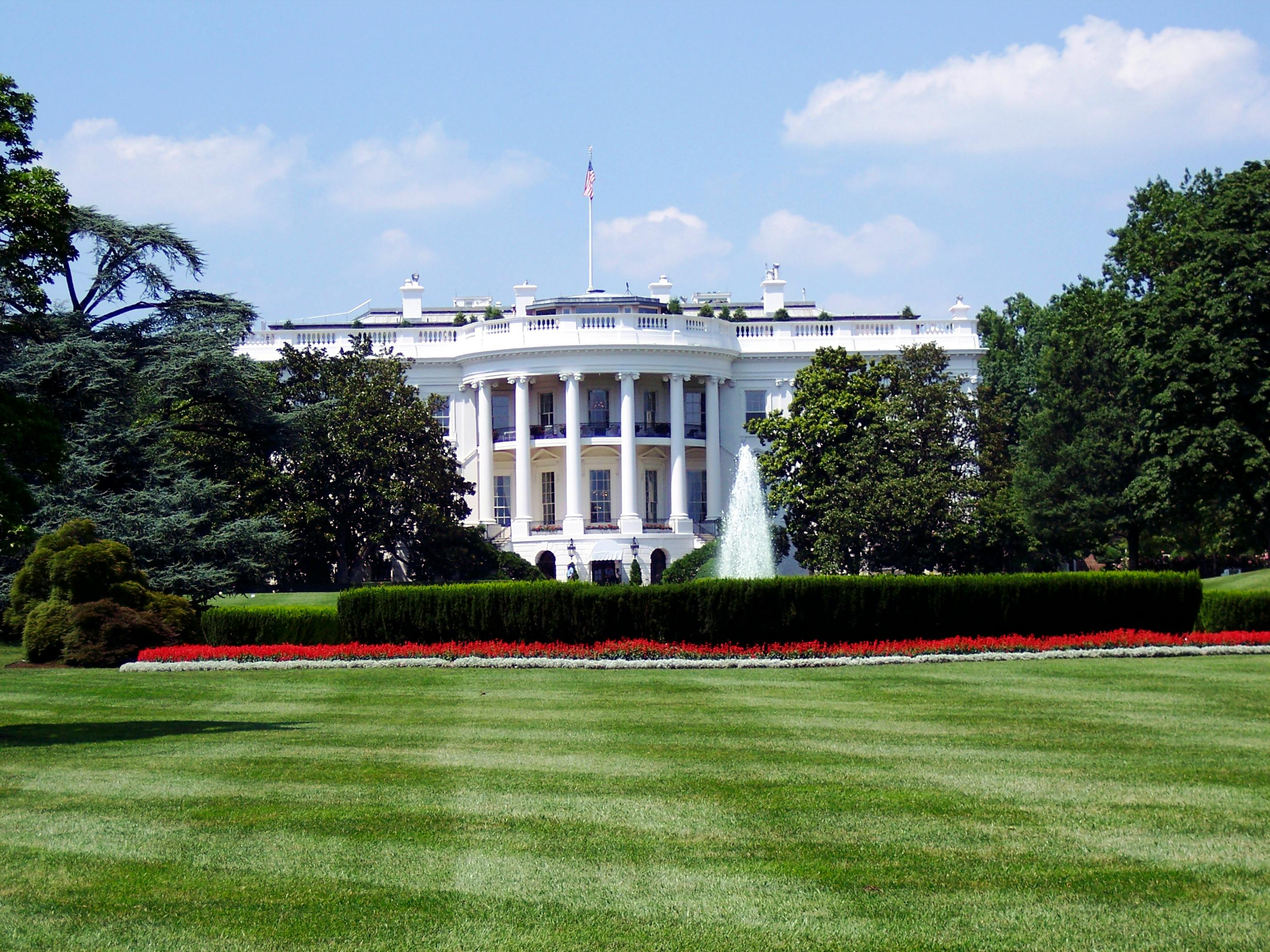
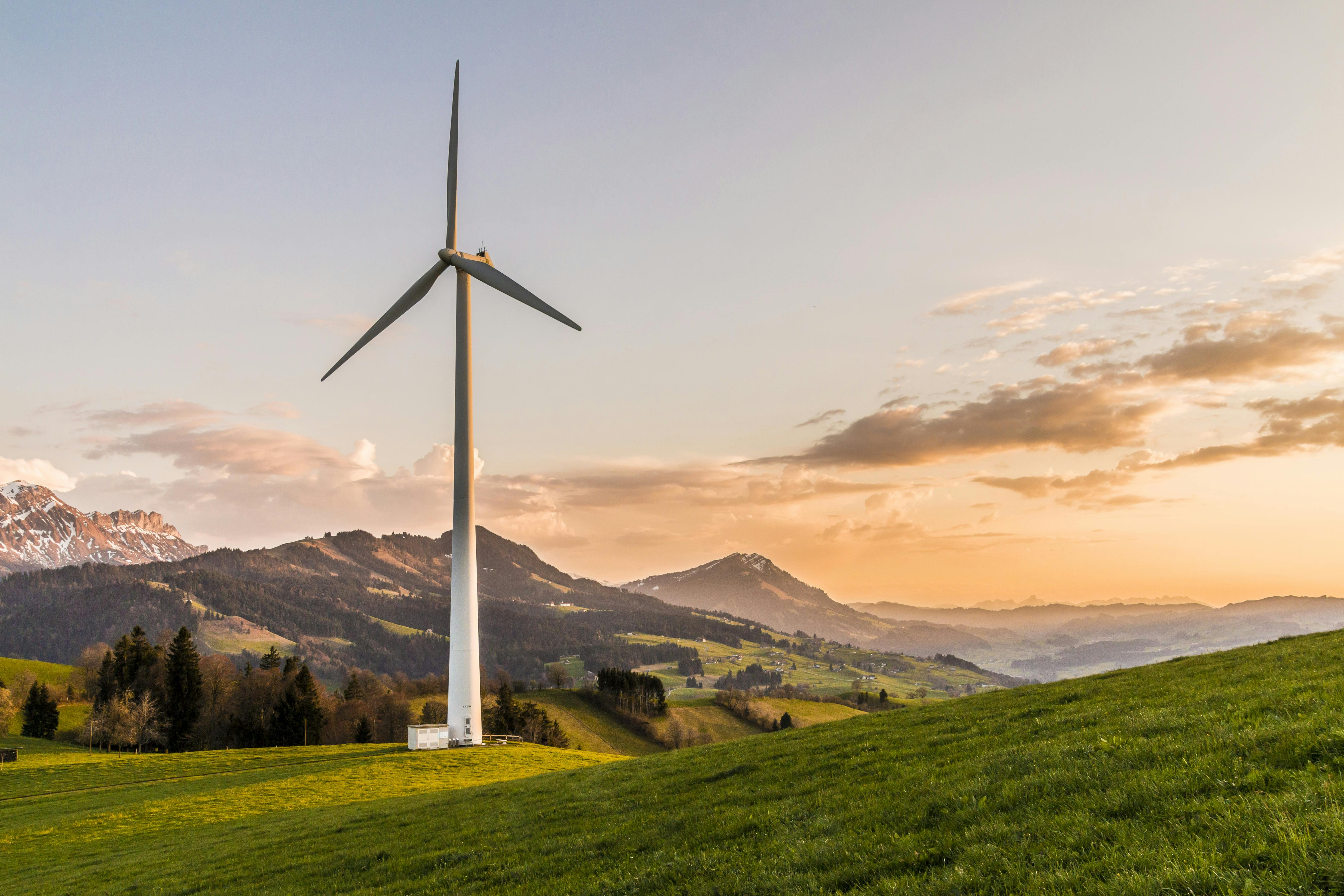
The Trump administration announced Monday it will pay a French energy company nearly $1 billion in taxpayer money to walk away from two offshore wind projects off the East Coast, a deal that would have delivered power to more than one million homes.
TotalEnergies will surrender its lease rights for projects planned off the coasts of New York and North Carolina in exchange for $928 million, money the federal government will reimburse for what the company originally spent acquiring those leases. The terms go further than simple cancellation. TotalEnergies has agreed to funnel that payment back into oil and gas development, including a liquefied natural gas export facility in Texas.
For New Jersey, which has spent years building its own offshore wind pipeline and staking significant portions of its clean energy future on Atlantic waters, the deal signals how aggressively the administration is moving to dismantle the sector across the region.
New York Governor Kathy Hochul wasted no time condemning the arrangement. “Using a pay-not-to-play scheme to pressure a company to not build offshore wind is an outrageous abuse of taxpayer dollars,” Hochul said in a statement.
The administration defended the cancellations, calling the projects “unreliable and costly.” That framing does not square with the math. The federal government is spending nearly a billion dollars in public funds to prevent private energy development that was already financed and permitted. Whatever the ideological rationale, the cost to taxpayers is concrete.
Trump’s hostility toward offshore wind is not new. He campaigned on blocking it, and his administration moved aggressively after taking office. Late in 2025, the White House invoked classified national security justifications to halt construction on five wind farms already underway along the East Coast. Federal courts rejected those stops and allowed construction to proceed. The TotalEnergies buyout represents a different approach, using contractual pressure and public money rather than regulatory orders that courts can overturn.
The legal route has its limits. The buyout strategy may not. For the dozens of wind projects still grinding through the permitting process, industry analysts expect little forward movement as long as Trump occupies the White House. The administration has created enough uncertainty that some developers are already reconsidering their exposure.
Environmental groups hit the deal hard. Ted Kelly, director and lead counsel for U.S. clean energy at the Environmental Defense Fund, called it “an outrageous misuse of taxpayer dollars to prevent Americans from having clean, affordable power exactly when they need it most.” Kelly and others pointed to the timing. Trump’s confrontation with Iran has rattled global oil markets and driven up energy costs, making the administration’s pivot away from domestic renewable capacity look even harder to defend.
The New York and North Carolina projects were not just abstract planning documents. They represented contracts, supply chains, construction jobs, and grid integration work that utilities and state governments had factored into their long-term energy plans. Unwinding them mid-stream carries costs that extend well beyond the $928 million figure.
New Jersey officials have not said how the TotalEnergies deal directly affects the state’s own offshore wind commitments, but the pattern is clear enough. Every canceled project, every developer spooked out of the market, and every federal lease buyout tightens the supply of clean power that mid-Atlantic states are counting on to hit their energy and climate targets over the next decade.
The administration has framed its offshore wind opposition as fiscally responsible and security-minded. But paying a French company nearly a billion dollars to redirect investment into Texas fossil fuel infrastructure is a choice, and a consequential one. That money came from American taxpayers. The power those turbines would have generated will not.
Whether Congress examines the deal or whether other developers accept similar offers is still unclear. What is clear is that the federal government just spent roughly $1 billion not to build something. For residents and ratepayers up and down the East Coast, that is a number worth sitting with.