
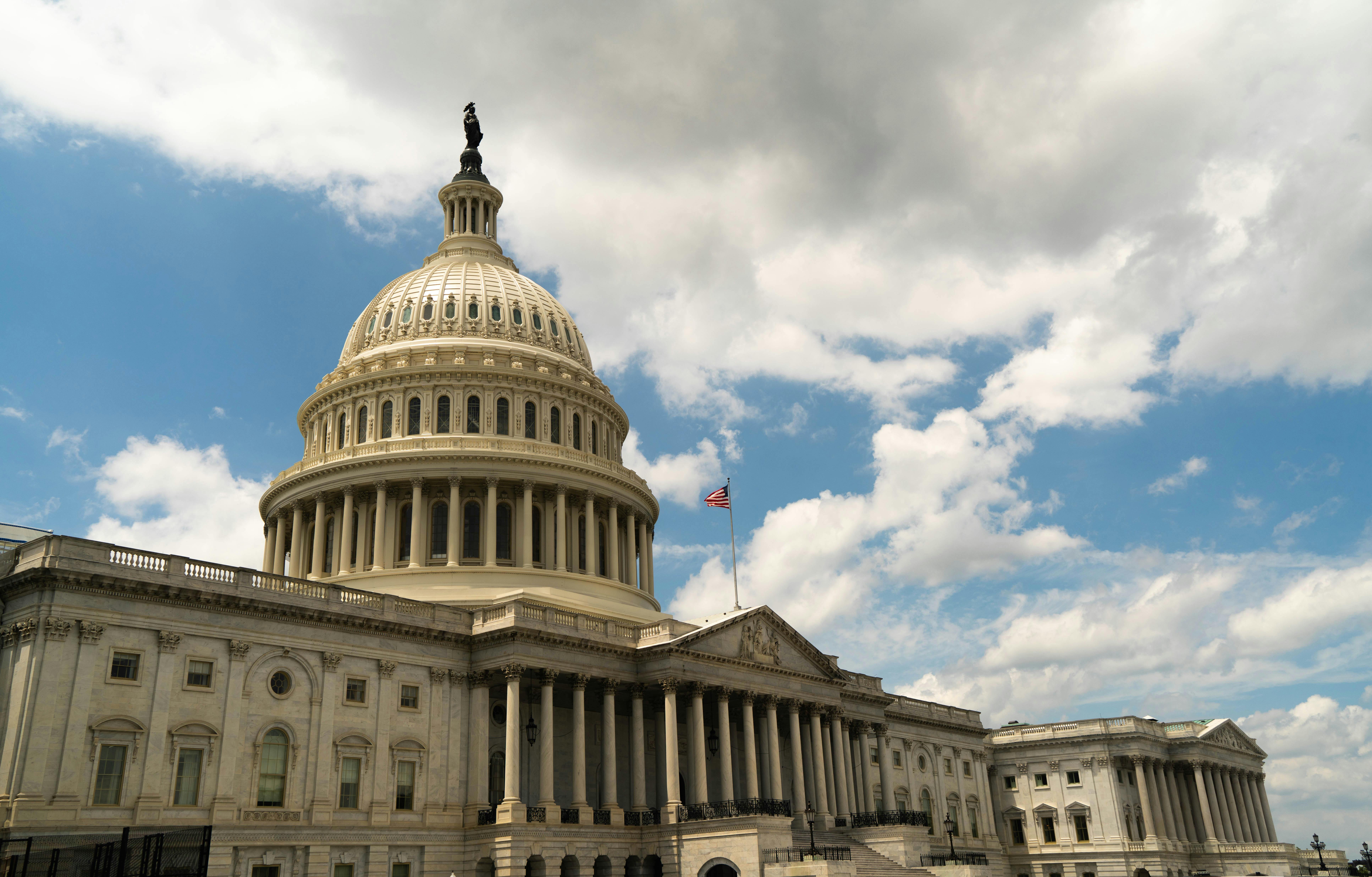
NJ Congressional Primaries Heat Up: CD7, CD8, CD11 Battles
New Jersey's 2026 congressional primaries are underway with petition fights, endorsements, and fundraising battles shaping races across multiple districts.
 What Churchill and Graham Taught Me About Surviving the Next Bear Market
  He Ran a Design Studio. Now He's Automating the Part Designers Hate
  28 NJ Companies Make Inc. 2026 Fastest-Growing List NJ Congressional Primaries Heat Up: CD7, CD8, CD11 Battles
  Amy Herbold Named President and CEO of Choose New Jersey
  NJ Politics Briefing: Sherrill Budget Fight & 2026 World Cup Tax
  NJ Spends $10M to Protect Medicaid Enrollment in 2026
 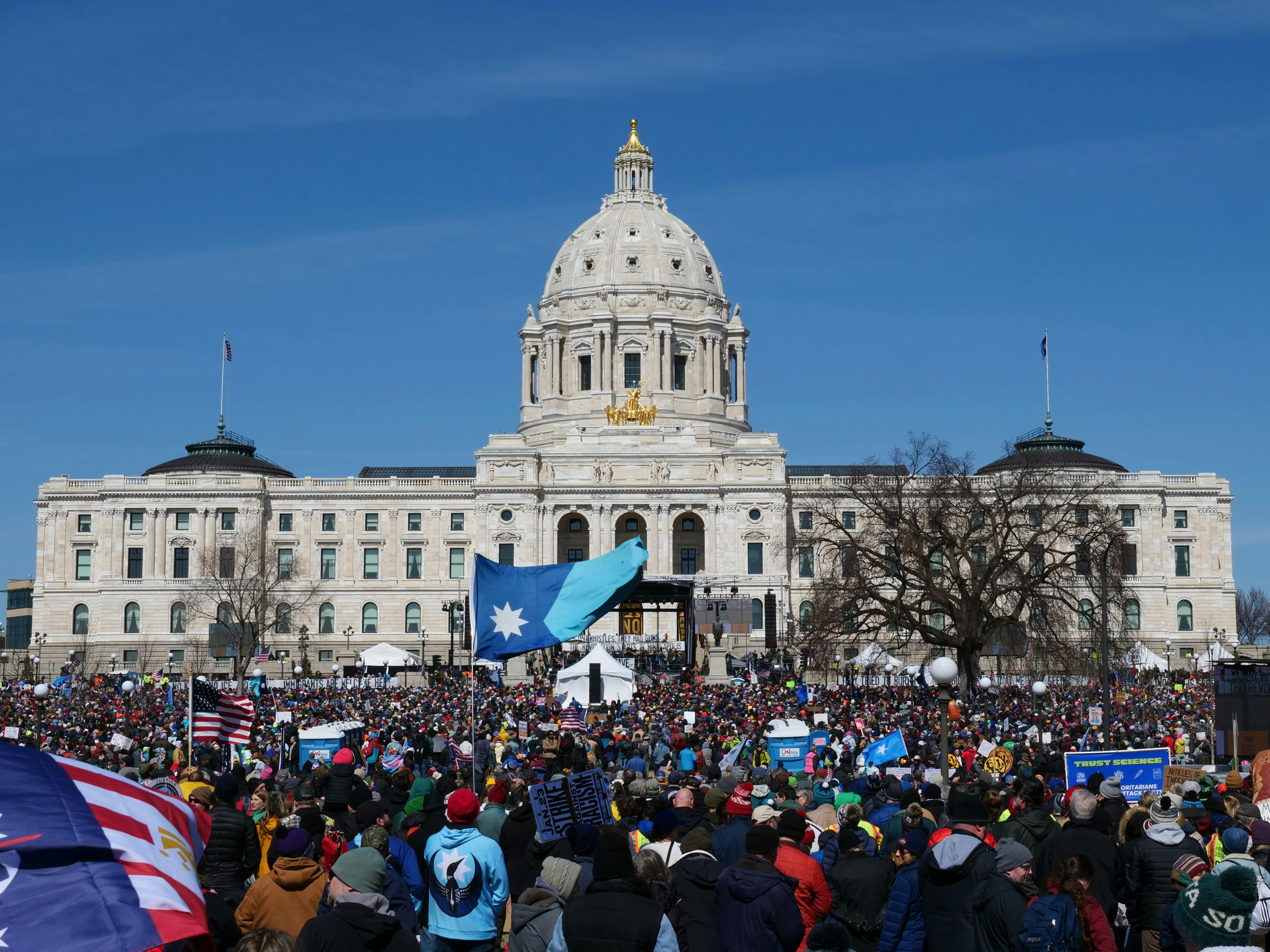 NJ Morning Briefing: No Kings Rallies & Primary Season 2026
  Andrew Garson: How Claude Code Is Giving Marketers the Analytics They Used to Beg Engineering For
  NJ Judge Blamed Frustration for Deporting Truant Teens
  Trump Pays $1B to Cancel Two Offshore Wind Farms
  Al Coutinho: Newark's Ironbound Politician
  Inside Jackie Gross's $1.6 Million Offshore Stock Fraud Scheme
  NJ Officials Fight Trump's Save America Act Voting Rules
  NJ Budget Hearing: Witnesses Weigh In on Sherrill's Plan
  No Kings Rally in Newark Protests Trump Policies Mejia Refuses to Debate Hathaway in NJ-11 Special Election
  Cherry Hill School District Sues Journalist Over OPRA Requests NJ Politics Briefing: Sherrill Approval, CD-11 Primary 2026
  Adriana Abizadeh-Barbour Leads Kensington Corridor Trust NJ Budget Cuts Threaten Health and HIV/AIDS Programs
  NJ Gov. Sherrill Signs Agent ID Law, Defying DHS Trump Pays $1B to French Firm to Abandon Wind Leases
  NJ Gov. Sherrill Signs Bills Limiting Immigration Enforcement
  58 Candidates File for NJ Congressional Primaries
  NJBPU Awards Clean Energy Grants to 19 NJ Municipalities
  Jefferson Township Fights School Funding Crisis in NJ
  NJ Politics Morning Briefing: March 24, 2026
  NJEDA Awards 7 New Lenders Under Main Street Grant Program
  NJCC Invests $10M in California Mixed-Use Development NJ Sues to Block Federal Immigration Detention Facility
  No Layoffs, Just Level-Ups: How Agencies Are Reskilling for the AI Age Treasury to Take Over Defaulted Student Loan Collections NJ Bill Would Refund Permit Fees for State Processing Delays
  NJ February Tax Revenue Down 2.8% Due to Early Refunds Danielsen Endorses Shanel Robinson for NJ's 12th District
  New Jersey Sues to Block ICE Detention Facility in Roxbury
  Mercer County Buys 56 Acres from Rider University for $8.5M
  Hudson Regional Health Shuffles Leadership at Two Hospitals Gov. Sherrill Funds Home Nurse Visits for Newborns in NJ NJ Hospital Chain Cuts Gender-Affirming Care for Minors
  Bramnick Rallies Morris Township Republicans in 2026 Sherrill, GOP Mayor Sue to Block Roxbury Detention Facility
  NJ Politics Briefing: ICE, World Cup & Budget March 2026
  NJ Bill Would Refund Fees for Delayed Permits and Licenses
  NAI DiLeo-Bram Closes 20,000 SF in Edison Office Leases
  NJ Congressional Races Heat Up: CD-11 & More in 2026
  Jersey City Hospital Closure Sparks State Intervention Calls
  New Jersey Senate Committee Agenda: Key Bills in Trenton
  NJ Congressional Races Heat Up Ahead of June 2026 Primary What Churchill and Graham Taught Me About Surviving the Next Bear Market He Ran a Design Studio. Now He's Automating the Part Designers Hate 28 NJ Companies Make Inc. 2026 Fastest-Growing List NJ Congressional Primaries Heat Up: CD7, CD8, CD11 Battles Amy Herbold Named President and CEO of Choose New Jersey NJ Politics Briefing: Sherrill Budget Fight & 2026 World Cup Tax NJ Spends $10M to Protect Medicaid Enrollment in 2026 NJ Morning Briefing: No Kings Rallies & Primary Season 2026 Andrew Garson: How Claude Code Is Giving Marketers the Analytics They Used to Beg Engineering For NJ Judge Blamed Frustration for Deporting Truant Teens Trump Pays $1B to Cancel Two Offshore Wind Farms Al Coutinho: Newark's Ironbound Politician Inside Jackie Gross's $1.6 Million Offshore Stock Fraud Scheme NJ Officials Fight Trump's Save America Act Voting Rules NJ Budget Hearing: Witnesses Weigh In on Sherrill's Plan No Kings Rally in Newark Protests Trump Policies Mejia Refuses to Debate Hathaway in NJ-11 Special Election Cherry Hill School District Sues Journalist Over OPRA Requests NJ Politics Briefing: Sherrill Approval, CD-11 Primary 2026 Adriana Abizadeh-Barbour Leads Kensington Corridor Trust NJ Budget Cuts Threaten Health and HIV/AIDS Programs NJ Gov. Sherrill Signs Agent ID Law, Defying DHS Trump Pays $1B to French Firm to Abandon Wind Leases NJ Gov. Sherrill Signs Bills Limiting Immigration Enforcement 58 Candidates File for NJ Congressional Primaries NJBPU Awards Clean Energy Grants to 19 NJ Municipalities Jefferson Township Fights School Funding Crisis in NJ NJ Politics Morning Briefing: March 24, 2026 NJEDA Awards 7 New Lenders Under Main Street Grant Program NJCC Invests $10M in California Mixed-Use Development NJ Sues to Block Federal Immigration Detention Facility No Layoffs, Just Level-Ups: How Agencies Are Reskilling for the AI Age Treasury to Take Over Defaulted Student Loan Collections NJ Bill Would Refund Permit Fees for State Processing Delays NJ February Tax Revenue Down 2.8% Due to Early Refunds Danielsen Endorses Shanel Robinson for NJ's 12th District New Jersey Sues to Block ICE Detention Facility in Roxbury Mercer County Buys 56 Acres from Rider University for $8.5M Hudson Regional Health Shuffles Leadership at Two Hospitals Gov. Sherrill Funds Home Nurse Visits for Newborns in NJ NJ Hospital Chain Cuts Gender-Affirming Care for Minors Bramnick Rallies Morris Township Republicans in 2026 Sherrill, GOP Mayor Sue to Block Roxbury Detention Facility NJ Politics Briefing: ICE, World Cup & Budget March 2026 NJ Bill Would Refund Fees for Delayed Permits and Licenses NAI DiLeo-Bram Closes 20,000 SF in Edison Office Leases NJ Congressional Races Heat Up: CD-11 & More in 2026 Jersey City Hospital Closure Sparks State Intervention Calls New Jersey Senate Committee Agenda: Key Bills in Trenton NJ Congressional Races Heat Up Ahead of June 2026 Primary
 The latest politics coverage from Central Jersey and the Garden State.
New Jersey's 2026 congressional primaries are underway with petition fights, endorsements, and fundraising battles shaping races across multiple districts.
Governor Meg Sherrill holds a 58% approval rating as NJ budget talks heat up over a World Cup sales tax hike, healthcare costs, and June primary races.
Gov. Sherrill's budget invests $10M to protect NJ Medicaid enrollment as new federal rules could strip coverage from 350,000 residents.
Governor Sherrill leads NJ's 'No Kings' rallies as congressional primary races heat up across the state ahead of June 2026 elections.
Suspended NJ judge Britt J. Simon told a judicial panel he threatened to deport truant teens out of frustration and feeling powerless in truancy cases.
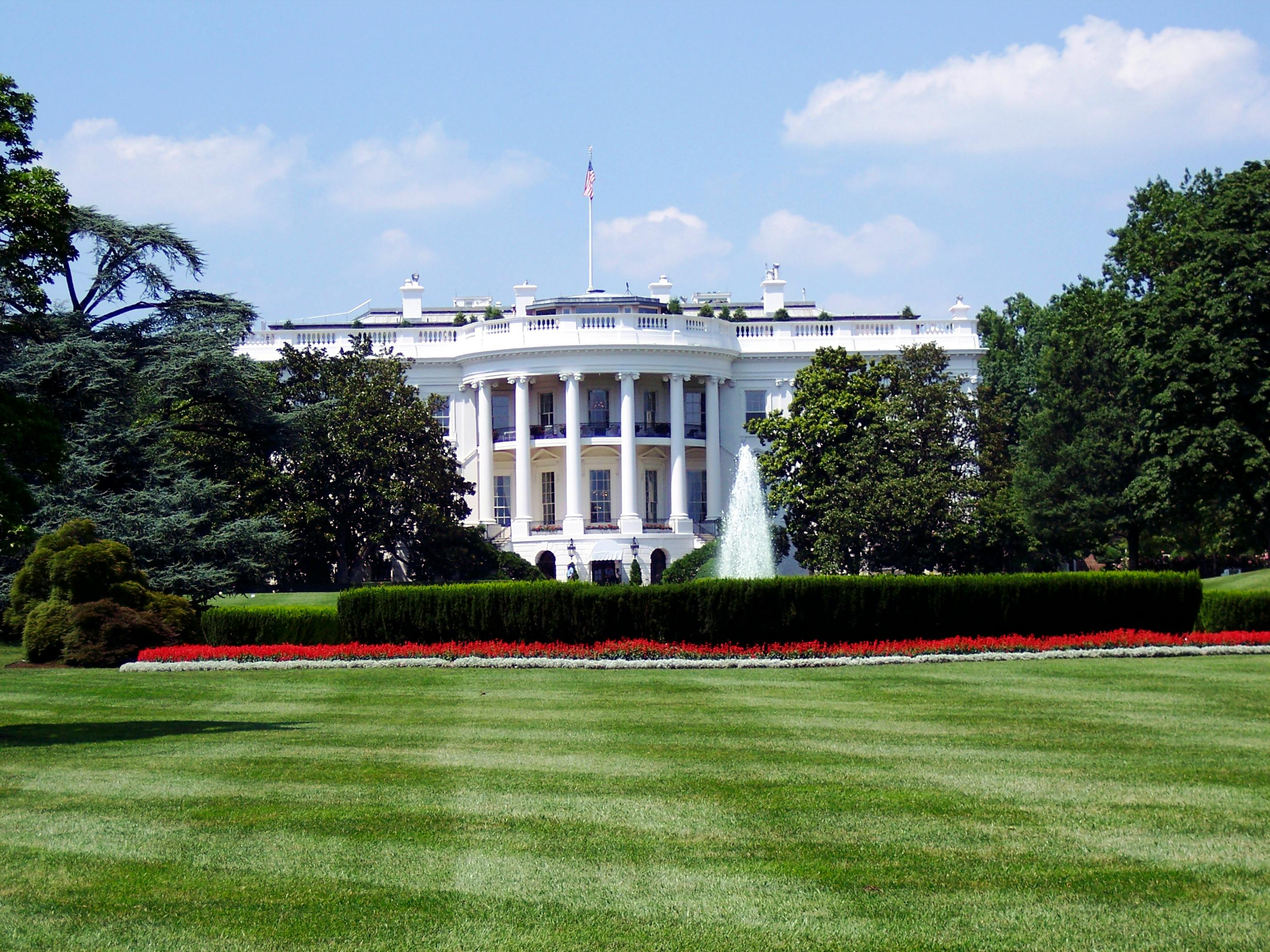
The Trump administration will pay TotalEnergies $928 million to abandon two offshore wind projects planned off New York and North Carolina.
Al Coutinho carried Newark's Ironbound community into public service, rising through the legislature as a voice for Portuguese American immigrants.
New Jersey election officials warn Trump's Save America Act would gut voting access, requiring passports or birth certificates and eliminating mail-in ballots.
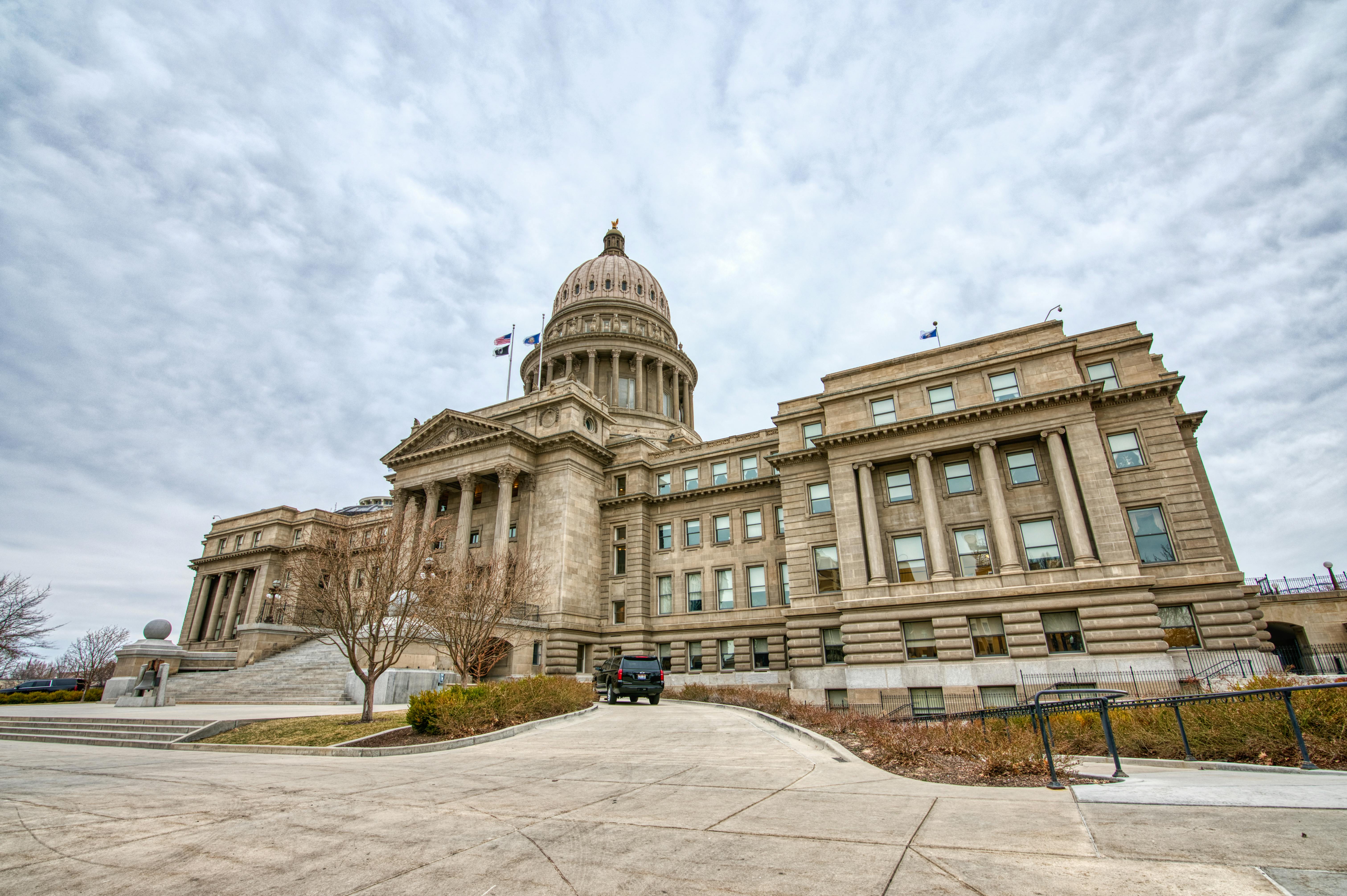
New Jersey lawmakers heard nearly six hours of testimony on Gov. Sherrill's $60.7 billion budget, with debates over business taxes, school funding, and Medicaid.
Lawrence Hamm led hundreds of protesters in Newark's No Kings Rally, demanding an end to Trump's policies and calling for impeachment.
Analilia Mejia is avoiding a League of Women Voters debate against Joe Hathaway in New Jersey's 11th District special election, raising questions for voters.
Cherry Hill's school district is suing journalist Ben Shore for filing 14 public records requests in a year, sparking concerns about OPRA abuse in New Jersey.
Governor Mikie Sherrill scores 83% approval among NJ Democrats as CD-11 and CD-7 congressional primaries heat up this spring.
Gov. Sherrill's $60.7B budget proposal would eliminate state funding for 30+ nonprofits providing health, housing, and HIV/AIDS services in New Jersey.
Governor Sherrill signed a law requiring officers to identify themselves, clashing with DHS over federal immigration enforcement in New Jersey.
The Trump administration will pay TotalEnergies $1 billion to surrender offshore wind leases off North Carolina and New York, funding gas expansion instead.
Gov. Mikie Sherrill signed three bills codifying limits on NJ law enforcement cooperation with federal immigration authorities, defying Trump's deportation push.
Democrats flood New Jersey's congressional primaries as Republicans struggle to recruit candidates amid low Trump approval ratings and expected midterm losses.
Jefferson Township residents rally over a $4.8M school deficit, blaming the 2004 Highlands Act for capping development and strangling tax revenue.
NJ congressional primaries heat up with new candidates, endorsements, and petition filings as Governor Sherrill launches a federal PAC ahead of June.
New Jersey and Republican-led Roxbury Township jointly sued to block a federal immigration detention facility, challenging Trump administration enforcement tactics.
The Trump administration moves defaulted federal student loan management to Treasury, affecting millions of borrowers including heavily indebted New Jersey residents.
New Jersey's S-1788, sponsored by Sen. Troy Singleton, would require state agencies to refund permit fees when they miss their own processing deadlines.
Assemblyman Joe Danielsen backs Somerset County Commissioner Director Shanel Robinson in the Democratic primary for New Jersey's 12th Congressional District.
New Jersey filed suit to stop a planned ICE detention facility in Roxbury, uniting Republican local officials with Democratic state leaders against the federal government.
Gov. Mikie Sherrill proposes $12.8M to expand Family Connects NJ home nurse visits for newborns and mothers to all 21 counties by January 2027.
RWJBarnabas Health faces backlash from ~100 New Jersey families after abruptly ending gender-affirming care for transgender minors with no transition plan.
Jon Bramnick lends his political experience to a three-candidate Republican slate seeking to reclaim seats on the Morris Township Committee.
Gov. Mikie Sherrill and Roxbury's Republican mayor filed a bipartisan federal lawsuit to block ICE's plan to convert a Morris County warehouse into a detention center.
New Jersey's delegation tackles ICE raids at World Cup venues, NJ Transit enforcement, and Roxbury detention in this March 20, 2026 politics briefing.
New Jersey's spring political calendar heats up as CD-11 candidates clash, endorsements fly across multiple districts, and Trenton generates its own drama.
Heights University Hospital in Jersey City has closed, leaving 300,000 residents with one ER and prompting elected officials to demand New Jersey state intervention.
The NJ Senate Commerce Committee tackled 13 bills Monday, including consumer fee protections and restaurant reservation platform regulations.
New Jersey's congressional districts see early endorsements and political maneuvering as candidates compete ahead of the June 2026 primary elections.

Gov. Mikie Sherrill warns NJ residents about AI-driven surveillance pricing that lets retailers charge individuals different prices secretly.
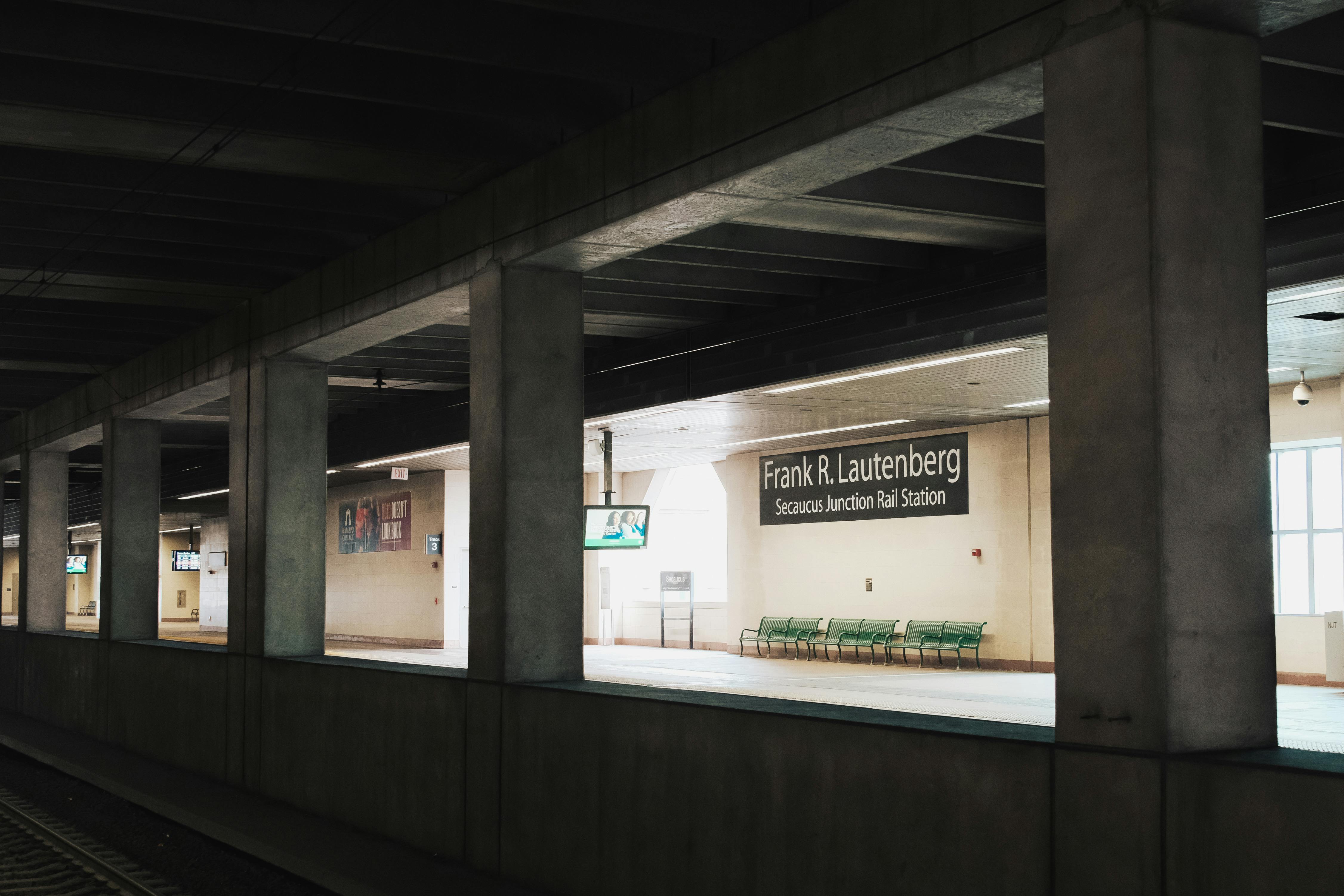
Priya Jain won unanimous Senate Judiciary Committee approval to become New Jersey's transportation commissioner, advancing toward a full Senate confirmation vote.

24 North Jersey residents completed the P2ANJ program, gaining entry into building trades apprenticeships with support from Lt. Gov. Dale Caldwell.

New Jersey Gov. Mikie Sherrill proposes fining companies with 50+ workers on Medicaid up to $725 per employee, targeting Amazon, Walmart, and Target.
Governor Mikie Sherrill delivers her first budget address, tackling NJ Transit funding, surveillance pricing, and New Jersey's long-deferred fiscal problems.

Governor Milly Sherrill proposes a record $60.7B New Jersey budget with $2B in cuts, $4.2B property tax relief, and a $5.4B surplus.

East Brunswick Mayor Brad Cohen secured 67% at the Middlesex County Democratic Convention, emerging as frontrunner in NJ's 12th Congressional District primary.
New Jersey Gov. Mikie Sherrill unveiled a record $60.7B budget, focusing on spending cuts to narrow a structural deficit and preserve a $5.4B surplus.
New Jersey Governor Mikie Sherrill unveiled a record $60.7 billion budget, targeting fiscal reform, education, and pension funding amid federal funding cuts.

Gov. Mikie Sherrill proposes a $12.4B K-12 education budget and $33M SPARK mental health initiative in New Jersey's new affordability budget.
Governor Sherrill delivers her first budget address amid a $3B deficit, potential Stay NJ rollbacks, and Senator Booker's $75K tax-free income proposal.

The Princeton Area Community Foundation has appointed two new trustees to its board, adding expertise in investment management and nonprofit leadership to the organization that has awarded more than $262 million in grants since 1991.
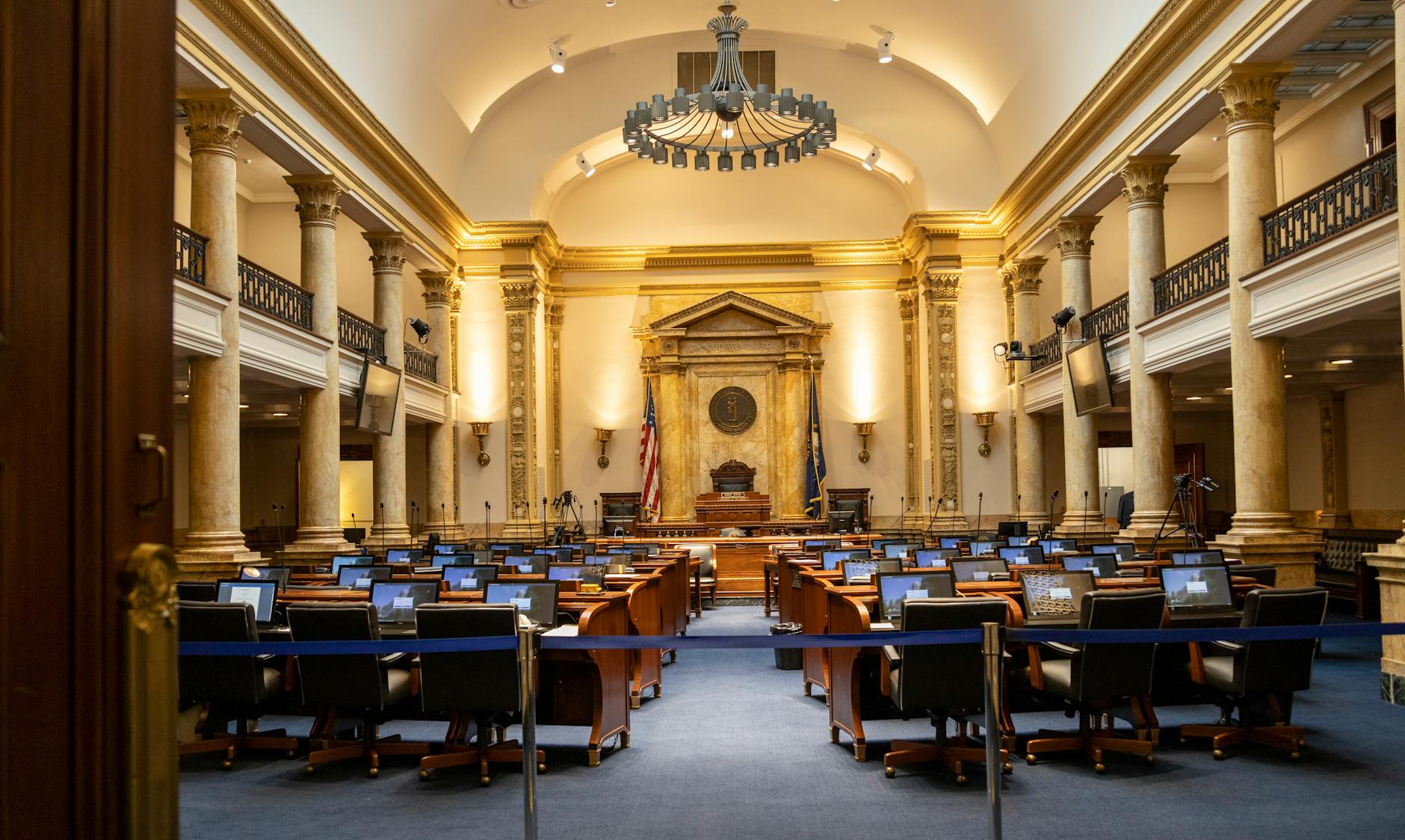
New Jersey Senator Andy Kim announced he will vote against the nomination of Senator Markwayne Mullin (R-OK) to serve as Secretary of the Department of Homeland Security, framing his opposition as part of broader concerns about Trump administration policies.
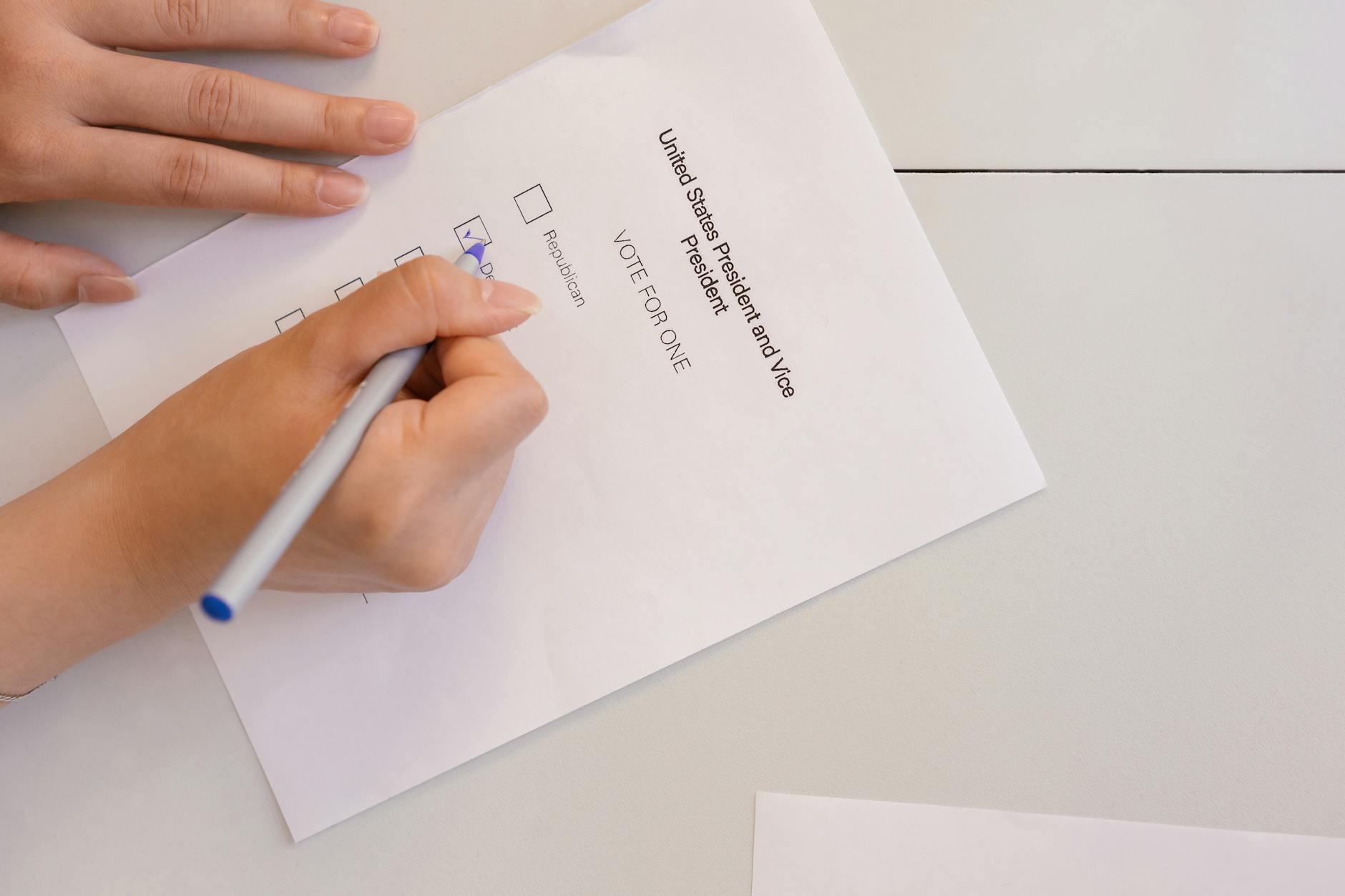
The Associated Press has answered the question "who won?" thousands of times since the news organization's founding nearly 180 years ago, according to reporting from the wire service explaining its election calling process.
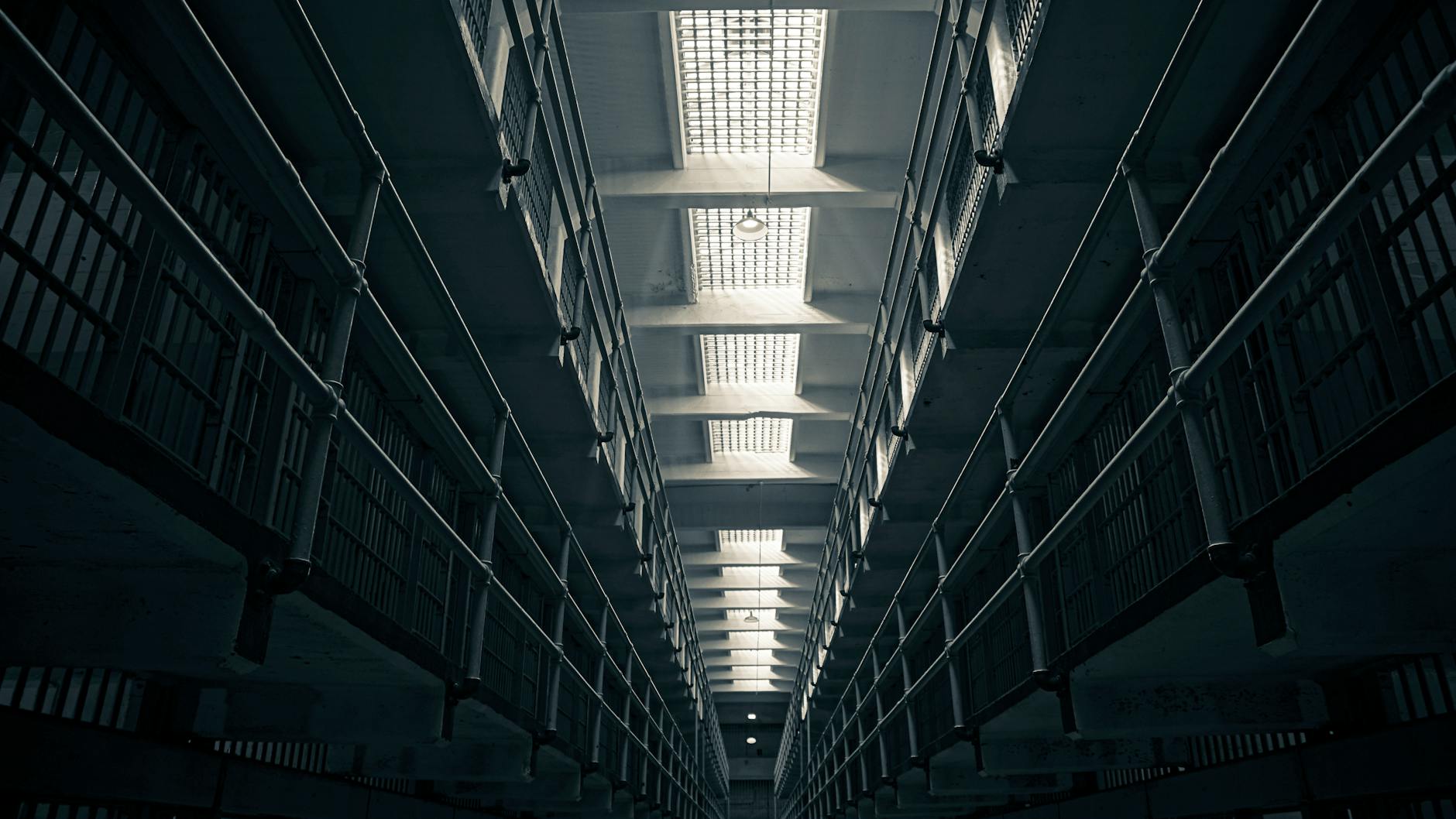
Sen. Andy Kim introduced three bills Thursday aimed at restricting the Trump administration's use of taxpayer funds for immigrant detention, including plans to convert warehouses into holding facilities.

The Eastern Atlantic States Regional Council of Carpenters has endorsed Democratic nominee Analilia Mejia in the upcoming NJ-11 special congressional election, according to an announcement from Mejia's campaign.