








































NJ Transit Storm Recovery Exposes Infrastructure Weakness
Limited service resumed Monday after complete Sunday shutdown, raising questions about the transit system's ability to handle increasingly severe weather.
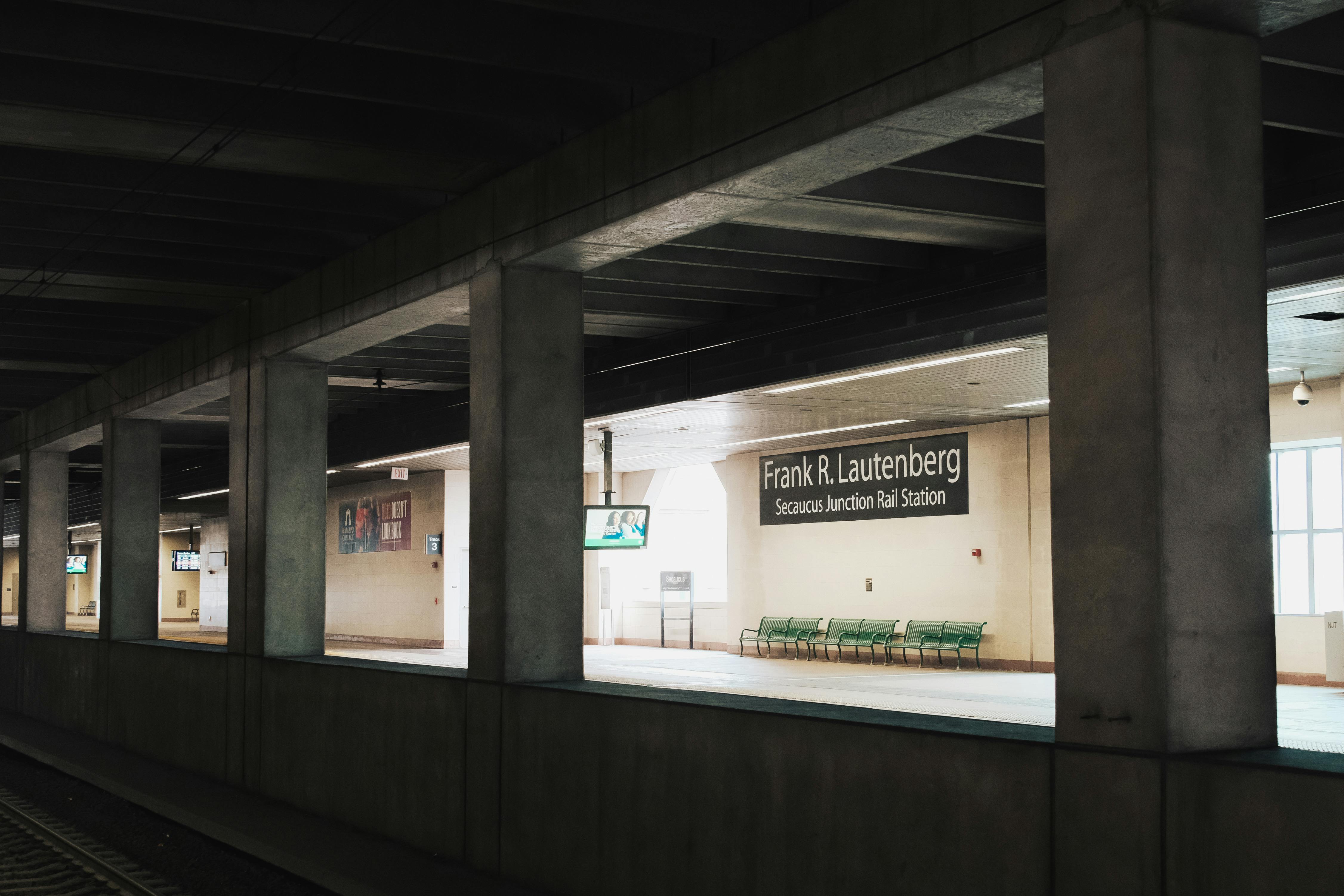
NJ Transit restored limited bus and rail service Monday morning after shutting down its entire network during Sunday’s winter storm, the latest disruption highlighting the agency’s struggle to maintain reliable service during extreme weather events that climate scientists say are becoming more frequent.
The complete service suspension affected more than 400,000 daily riders across New Jersey, stranding commuters and essential workers who depend on public transportation to reach jobs in healthcare, retail, and other critical industries. Bus service resumed with modified routes and reduced schedules, while rail lines operated with significant delays and cancellations throughout Monday.
“We’re seeing these complete shutdowns happening more often, and each time it impacts thousands of workers who don’t have other options,” said a spokesperson for the Amalgamated Transit Union Local 819, which represents NJ Transit bus operators. “The system needs to be more resilient.”
The disruption comes as New Jersey faces mounting pressure to strengthen infrastructure against climate impacts. Rutgers Report Warns of Accelerating Sea-Level Rise Along Jersey Shore, while inland areas increasingly face severe storm events that overwhelm aging transit infrastructure built decades ago.
NJ Transit’s decision to suspend all service Sunday marked the third complete shutdown this winter, following similar actions during December storm events. The agency defended the move as prioritizing passenger safety, but transportation advocates questioned whether the $4.2 billion system is adequately prepared for weather patterns that meteorologists say represent the new normal.
The economic impact extends beyond individual commuters. Major employers including pharmaceutical companies, healthcare systems, and logistics firms rely on NJ Transit to move thousands of workers daily. Atlantic Health System, which operates hospitals across northern New Jersey, activated contingency plans to house essential staff overnight when the Sunday shutdown was announced.
“When transit goes down completely, it creates cascading effects across the entire regional economy,” said James Hughes, former dean of the Rutgers Business School and longtime observer of New Jersey’s transportation challenges. “We’re talking about billions in economic activity that depends on people being able to get to work reliably.”
NJ Transit has received $1.8 billion in federal infrastructure funding over the past two years, with portions designated for climate resilience improvements. However, much of that money targets long-term capital projects rather than immediate operational improvements that could reduce weather-related service disruptions.
The agency operates 11 rail lines, 238 bus routes, and three light rail systems across New Jersey, making it the third-largest public transportation network in the United States. But aging infrastructure, including signal systems and electrical equipment vulnerable to weather, contributes to service reliability problems that predate recent storm events.
Rail service proved particularly problematic during Monday’s recovery, with residual delays affecting morning and evening commutes. The Northeast Corridor, which carries the highest passenger volumes, experienced signal problems attributed to Sunday’s storm conditions. Morris & Essex lines faced similar issues, with some trains running up to 45 minutes behind schedule.
Bus operations fared better, though several routes remained suspended Monday evening due to road conditions and equipment positioning. Routes serving Bergen, Essex, and Hudson counties experienced the most significant disruptions, affecting communities where public transit usage rates exceed state averages.
The pattern reflects broader infrastructure challenges facing New Jersey as climate impacts intensify. Atlantic City Saw 23 Flood Days in 2024 as Rising Seas Transform Jersey Shore, while inland areas confront more frequent severe weather events that strain transportation systems designed for different climate conditions.
State officials have acknowledged the growing frequency of weather-related service disruptions. Transportation Commissioner Diane Gutierrez-Scaccetti told lawmakers last month that the department is developing new protocols for maintaining limited service during extreme weather, rather than implementing complete shutdowns.
“We’re looking at what other major transit systems do and how we can maintain some level of service even during severe weather,” Gutierrez-Scaccetti said during a legislative budget hearing. “Complete shutdowns should be the last resort, not the standard response.”
The financial implications extend beyond immediate service disruptions. NJ Transit’s farebox recovery rate—the percentage of operating costs covered by passenger fares—has struggled to reach pre-pandemic levels. Frequent service disruptions risk further eroding ridership at a time when the agency needs fare revenue to support operations and capital improvements.
Transit advocates argue that reliable service during challenging weather conditions could actually increase ridership by demonstrating the system’s resilience compared to automobile travel, which also faces weather-related risks. However, achieving that reliability requires infrastructure investments that take years to implement.
Several other major transit systems have implemented weather resilience measures that New Jersey could adopt. The Metropolitan Transportation Authority in New York has invested in subway system flood barriers and enhanced bus depot generators. The Southeastern Pennsylvania Transportation Authority has upgraded signal systems to better withstand storm conditions.
Looking ahead, NJ Transit faces additional weather challenges as the winter storm season continues. The National Weather Service has forecast above-normal precipitation for the region through March, potentially creating more opportunities for service disruptions.
For now, commuters and employers must plan around the possibility of sudden service suspensions that strand workers and disrupt business operations. The Monday service restoration provided temporary relief, but broader questions about system resilience remain unresolved as New Jersey’s transportation infrastructure confronts a changing climate.
The agency promised updates on service improvements by Wednesday, though specific details about preventing future complete shutdowns were not immediately available.