






























Jersey Shore Medical Center Pioneers New Tumor Treatment
Neptune's Jersey Shore University Medical Center becomes first in region to offer histotripsy, a non-invasive treatment for liver tumors using sound waves.

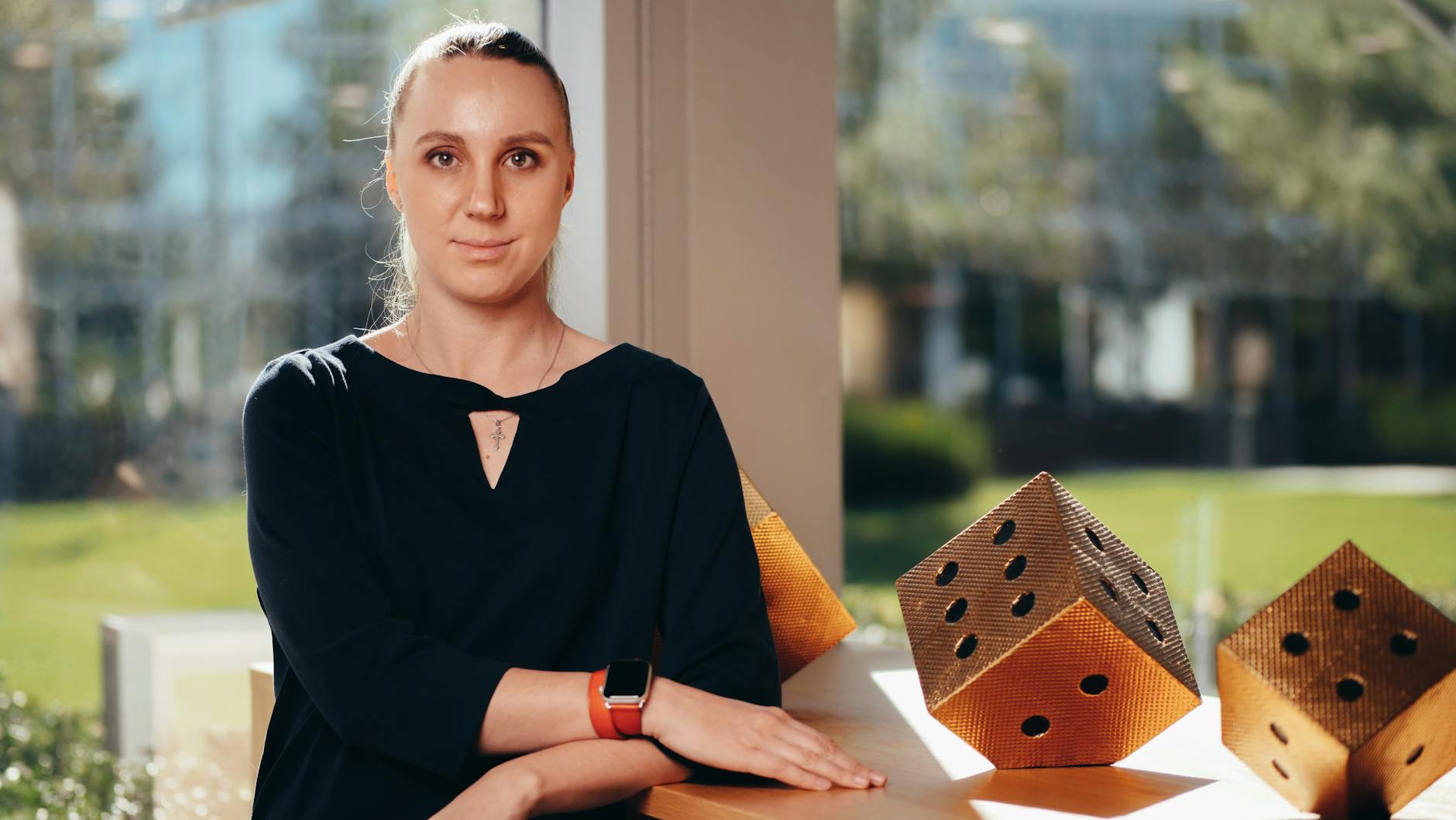
Dr. Sarah Chen adjusts the ultrasound transducer with the precision of a concert pianist tuning her instrument. But instead of preparing for a performance, she’s about to destroy a liver tumor using nothing but focused sound waves — no scalpel required.
Chen is part of the medical team at Jersey Shore University Medical Center in Neptune that’s pioneering histotripsy, a cutting-edge treatment that uses focused ultrasound to break down liver tumors from outside the body. The hospital recently became the first facility along the shore to offer the technology, marking another milestone for a medical center that’s been quietly building its reputation as a regional leader in cancer care.
“What we’re doing is essentially creating tiny, controlled explosions inside the tumor using sound waves,” Chen explains during a recent demonstration. “The patient feels nothing more than the ultrasound probe on their skin, but inside, we’re mechanically destroying cancer cells.”
The technology represents a significant advance for patients with liver tumors who aren’t candidates for surgery or traditional treatments. Unlike other thermal treatments that use heat to destroy tissue, histotripsy mechanically breaks down tumors using microsecond bursts of focused ultrasound energy.
For Central Jersey residents, the arrival of histotripsy at Jersey Shore University Medical Center means access to treatment that previously required trips to major academic medical centers in New York or Philadelphia. The hospital invested more than $2 million in the technology and spent months training staff before treating their first patient in October.
“We’re seeing patients drive down from North Jersey, up from South Jersey, because this technology just isn’t available everywhere yet,” says Dr. Michael Rodriguez, director of interventional radiology at the medical center. “It’s rewarding to offer something this innovative right here in Monmouth County.”
The treatment process takes place in what looks like a high-tech spa room rather than an operating suite. Patients lie on a specialized table while technicians use real-time MRI guidance to target tumors with millimeter precision. The entire procedure typically takes two to four hours, and most patients go home the same day.
Rodriguez points out that the non-invasive nature of histotripsy makes it particularly valuable for patients with compromised liver function who can’t tolerate surgery. “We’re talking about people who’ve run out of options with traditional treatments,” he says. “Now we can offer them something that doesn’t require cutting, doesn’t require general anesthesia, and has minimal recovery time.”
The medical center’s investment in histotripsy reflects broader changes happening across New Jersey’s healthcare landscape. As major health systems compete for patients in an increasingly crowded market, hospitals are investing in specialized technologies to differentiate themselves and retain patients who might otherwise seek treatment in New York or Philadelphia.
Jersey Shore University Medical Center, part of the RWJBarnabas Health system, has been particularly aggressive in this approach. Over the past five years, the hospital has added robotic surgery capabilities, expanded its cardiac program, and built new oncology facilities. The histotripsy program represents the latest piece of that puzzle.
“We’re not trying to be everything to everyone, but in the areas where we choose to compete, we want to be best-in-class,” says hospital CEO Vito Buccellato. “Liver cancer treatment is one of those areas where we saw an opportunity to really make a difference for patients across the region.”
The timing couldn’t be better. Liver cancer rates have been climbing nationwide, with cases more than tripling since 1980 according to the American Cancer Society. Risk factors include hepatitis infections, heavy alcohol use, and fatty liver disease — conditions that are increasingly common in New Jersey’s aging population.
Early results from the hospital’s histotripsy program have been encouraging. The medical team has treated more than a dozen patients since October, with procedures going smoothly and patients recovering quickly. Most return to normal activities within a few days, compared to weeks of recovery typically required after liver surgery.
“What strikes me most is how routine this feels now,” Chen reflects, watching as technicians prepare the treatment room for the day’s first patient. “Six months ago, this was experimental technology we were reading about in journals. Now it’s part of our standard toolkit for helping patients.”
The success has caught the attention of other hospitals across New Jersey, with several facilities exploring similar investments. But Jersey Shore University Medical Center’s head start means they’re building expertise and patient volume while competitors are still evaluating options.
For patients like Robert Morrison, a 68-year-old Asbury Park resident who received histotripsy treatment in November, the technology represents hope where there was once resignation. Morrison’s liver tumor was too close to major blood vessels for safe surgical removal, leaving him with few options until his oncologist referred him for histotripsy.
“I went from thinking I might not see another Christmas to planning a spring vacation with my grandkids,” Morrison says. “The whole thing felt almost too easy — I kept waiting for the other shoe to drop, but it never did.”
As word spreads about the program’s success, referrals have been pouring in from oncologists across Central Jersey and beyond. The medical center is already planning to expand capacity and may add a second histotripsy unit if demand continues growing.
“We knew this would be successful, but honestly, the response has exceeded our expectations,” Buccellato says. “It’s validation that our strategy of investing in cutting-edge technology is working — not just for our business, but more importantly, for our patients.”
The histotripsy program also reflects New Jersey’s broader emergence as a healthcare innovation hub, with medical centers across the state pioneering new treatments and technologies. From precision cancer treatments to robotic surgery, New Jersey hospitals are increasingly positioning themselves as alternatives to the prestigious but often crowded medical centers across the river in Manhattan.
For Chen, who completed her fellowship training at Memorial Sloan Kettering before returning to New Jersey, the opportunity to bring world-class treatment to her home state represents the best of both worlds.
“I could have stayed in New York, but there’s something special about being able to offer this level of care to families in the communities where I grew up,” she says. “That’s what medicine should be about — bringing the best possible treatment as close to home as possible.”